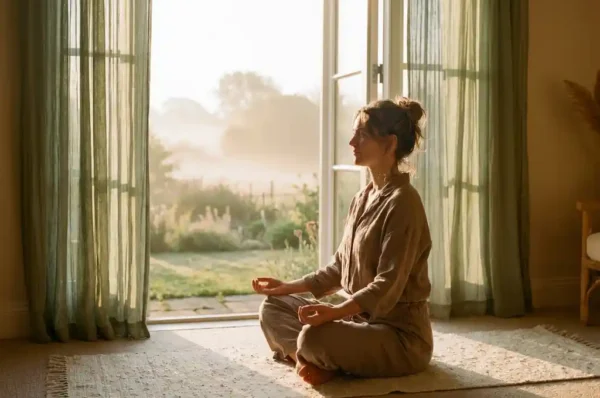



You can combine Yoga Nidra with meditation by using them in sequence within a single session, typically starting with an active meditation practice and finishing with Yoga Nidra as a deep integration phase. The two complement each other naturally because they operate at different levels of awareness, making the combination more powerful than either practice alone. Below, we break down exactly how each practice works, how they differ, and how to build a session that gets the most from both.
What happens in your body when you practice Yoga Nidra?
During Yoga Nidra, your body enters a state of deep physical relaxation while your mind remains gently aware. Your heart rate slows, muscle tension releases, and brain activity shifts from active beta waves toward the slower alpha and theta frequencies associated with the threshold between waking and sleep. This is sometimes called the hypnagogic state, and it is where much of Yoga Nidra’s restorative power lives.
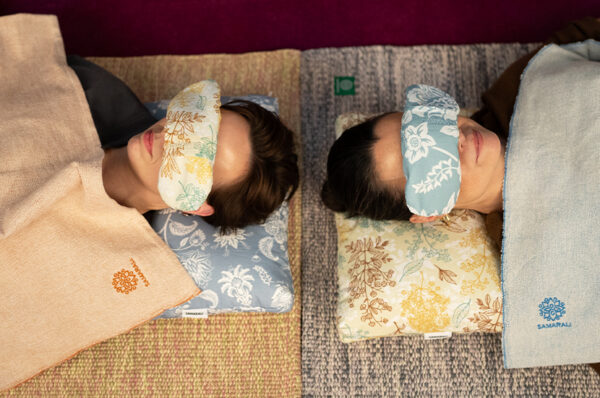
Unlike ordinary sleep, Yoga Nidra keeps a thread of conscious awareness alive throughout the process. You lie still, usually in savasana, and follow a guided rotation of attention through different parts of the body. This systematic body scan signals the nervous system that it is safe to let go, which triggers the parasympathetic response often called rest-and-digest.
Practically speaking, this means tension stored in the muscles begins to dissolve, breathing becomes slower and more rhythmic, and the mind gradually releases its grip on thoughts and to-do lists. Many practitioners describe the experience as feeling more rested after a 30-minute Yoga Nidra session than after several hours of ordinary sleep. While individual results vary, the physiological shift is real and measurable in how you feel when you emerge.
What’s the difference between Yoga Nidra and meditation?
The key difference between Yoga Nidra and meditation is posture and depth of relaxation. Meditation is typically practiced sitting upright with an alert, focused mind, while Yoga Nidra is practiced lying down and deliberately guides the practitioner toward the edge of sleep. Meditation trains attention; Yoga Nidra dissolves it into a state of open, effortless awareness.
In most meditation styles, you are actively working with the mind. You might anchor attention on the breath, observe thoughts without attachment, or repeat a mantra. There is an element of effort, however subtle, and the goal is often clarity, focus, or insight. Yoga Nidra, by contrast, asks you to do very little. The guided instruction does the work of moving awareness through the body and senses, and you simply follow along without trying to control the experience.
Another important distinction is intention. Meditation often cultivates a quality like concentration, compassion, or present-moment awareness. Yoga Nidra works with the sankalpa, a short, heartfelt intention that is planted in the mind at the start of the practice when the subconscious is most receptive. This makes Yoga Nidra a uniquely powerful tool for deep-level change rather than moment-to-moment mental training.
How do you sequence Yoga Nidra and meditation in one session?
The most effective sequence is to begin with meditation and end with Yoga Nidra. Start with 10 to 20 minutes of seated meditation to settle the mind and build awareness, then transition to lying down for 20 to 30 minutes of Yoga Nidra. This order works because meditation clears mental clutter first, making the deeper layers of Yoga Nidra more accessible.
Here is a simple structure you can follow:
- Arrive and breathe (3 to 5 minutes): Sit comfortably and take a few slow, deliberate breaths to signal the transition from daily activity to practice.
- Seated meditation (10 to 20 minutes): Choose a style that suits you, such as breath awareness, body scan, or mantra repetition. The goal is to steady and quiet the mind.
- Gentle transition (2 to 3 minutes): Slowly move from your seated position to lying down. Let the body soften without rushing.
- Yoga Nidra (20 to 30 minutes): Follow a guided practice or lead yourself through the stages: settling, sankalpa, body rotation, breath awareness, and withdrawal of the senses.
- Integration (3 to 5 minutes): Rest quietly after Yoga Nidra before returning to movement. This transition time is valuable and should not be skipped.
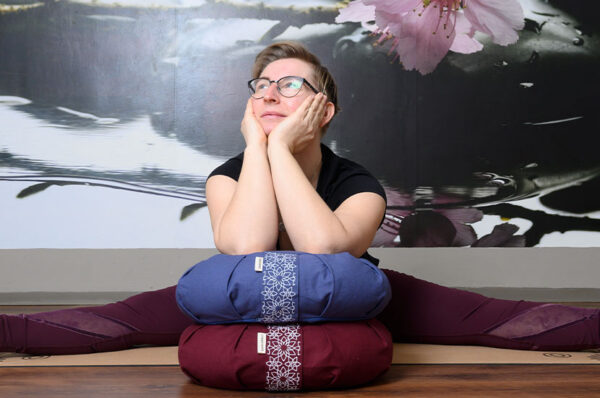
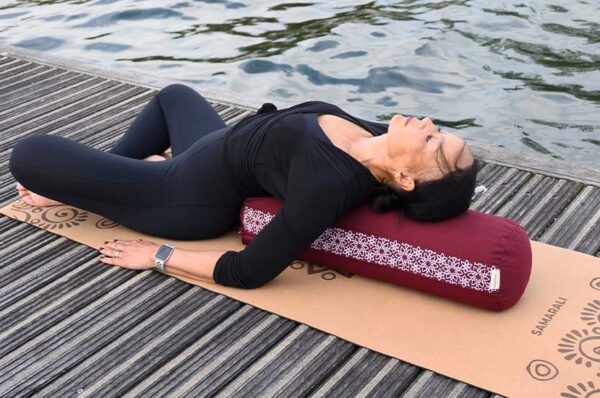
Having the right support for your body makes a real difference in how deeply you can relax during both practices. A yoga bolster under the knees during Yoga Nidra relieves lower back tension, and a supportive meditation cushion helps you maintain an upright posture during the seated phase without straining.
Which meditation styles pair best with Yoga Nidra?
The meditation styles that pair best with Yoga Nidra are those that share its inward, receptive quality. Mindfulness meditation, breath awareness, and loving-kindness (metta) meditation all create a calm, open mental state that transitions naturally into the deeper surrender of Yoga Nidra. High-effort concentration practices or energizing breathwork are less ideal as a direct lead-in.
Breath awareness meditation
Breath awareness is one of the smoothest partners for Yoga Nidra because it already directs attention inward without forcing focus. Spending 10 to 15 minutes simply observing the natural rhythm of the breath quiets mental chatter and anchors you in the body, which is exactly the foundation Yoga Nidra builds on. The transition from breath awareness to the body rotation of Yoga Nidra feels almost seamless.
Loving-kindness meditation
Loving-kindness meditation, or metta, opens the heart and softens emotional defenses before Yoga Nidra begins. Because Yoga Nidra works with the subconscious through the sankalpa, entering the practice from a warm, compassionate mental state can make that intention land more deeply. A short metta session of 10 minutes is enough to create this receptive quality.
Styles to approach with more care include vigorous pranayama techniques like kapalabhati or bhastrika, which activate and energize the nervous system in a way that works against the downward, releasing quality of Yoga Nidra. If you enjoy breathwork, save it for earlier in your practice or on separate days. The goal when combining meditation and Yoga Nidra is to move progressively deeper, not to alternate between activation and release.
Frequently Asked Questions
How long should my combined Yoga Nidra and meditation session be for a beginner?
For beginners, a total session of 35 to 45 minutes is a practical and sustainable starting point. Try 10 minutes of breath awareness meditation followed by a 20 to 25 minute Yoga Nidra, leaving a few minutes at each end for settling and integration. As you grow more comfortable with both practices, you can gradually extend the meditation phase to 20 minutes and the Yoga Nidra to 30, building depth without overwhelming yourself early on.
What if I keep falling asleep during Yoga Nidra?
Falling asleep during Yoga Nidra is extremely common, especially in the early stages, and it usually signals that your body has a genuine sleep debt it needs to clear. To stay at the threshold of awareness rather than crossing into full sleep, try practicing at a time of day when you are not already fatigued, keep the room slightly cool, and place a thin pillow under your head rather than a thick one. Over time, as your nervous system becomes more familiar with the hypnagogic state, maintaining that thread of awareness becomes much easier.
Can I use the same sankalpa in every Yoga Nidra session, or should I change it?
It is generally recommended to work with the same sankalpa consistently over weeks or even months rather than changing it each session. The sankalpa functions like a seed planted in fertile soil — repetition at the deeply relaxed state of Yoga Nidra allows it to take root in the subconscious more effectively than a single exposure would. Choose a short, positive, present-tense statement that reflects a meaningful personal intention, such as ‘I am at peace’ or ‘I trust myself,’ and stay with it until you feel a genuine shift before introducing a new one.
Is it okay to practice this combination every day, or is rest between sessions important?
Daily practice is not only acceptable but is often encouraged, particularly for Yoga Nidra, which is restorative rather than physically demanding. Unlike intense exercise, combining meditation and Yoga Nidra places no significant strain on the body, so there is no physiological need for recovery days. That said, consistency matters more than duration — a shorter daily session of 30 minutes will typically yield more noticeable benefits over time than a longer session practiced only occasionally.
What is the best time of day to practice Yoga Nidra combined with meditation?
The early morning, just after waking, and the late afternoon, roughly an hour before dinner, are generally considered the most effective windows for this combined practice. Morning practice takes advantage of the mind’s natural proximity to the hypnagogic state right after sleep, while late afternoon aligns with the body’s natural dip in alertness and can serve as a powerful reset for the second half of the day. Practicing immediately after a heavy meal or right before bed is worth avoiding, as digestion and extreme fatigue can interfere with the quality of awareness during both practices.
Do I need a guided audio recording for Yoga Nidra, or can I practice it on my own?
Beginners almost always benefit from a guided audio recording because the instructor’s voice provides the external anchor of attention that makes Yoga Nidra work — without it, the mind tends to wander or the practitioner falls asleep before completing the stages. Once you have internalized the structure through repeated listening, typically after several months of consistent practice, it becomes possible to guide yourself through the stages internally. Many experienced practitioners still prefer guided sessions, however, as the voice itself carries a relaxing quality that self-guidance cannot fully replicate.
Can people with anxiety or a history of trauma practice Yoga Nidra safely?
Yoga Nidra can be genuinely therapeutic for anxiety and is used in trauma-sensitive contexts, but it is important to approach it thoughtfully if you have a trauma history. The deeply relaxed, inward state can occasionally surface difficult emotions or memories, so starting with shorter sessions and choosing trauma-informed recordings — such as those based on the iRest protocol developed by Richard Miller — is a wise precaution. If you are working with a therapist, looping them in before beginning a regular Yoga Nidra practice is always a good idea, as they can help you integrate anything that arises.
Ready to deepen your practice with the right support? At Samarali, you will find everything you need to create a truly nourishing session — from a yoga bolster that cradles your body during Yoga Nidra to a dedicated meditation mat that anchors your seated practice. Browse our full meditation sets to find a combination that suits your needs, and give your practice the foundation it deserves. Shop now and take the next step toward deeper rest and clarity.