


Vinyasa yoga cannot fully replace strength training, but it is far more physically demanding than most people expect. Vinyasa builds real functional strength, improves muscular endurance, and develops body awareness that complements gym work beautifully. That said, it has clear limitations when it comes to progressive overload and targeted muscle development. Below, we break down exactly what Vinyasa yoga can and cannot do for your body, so you can make an informed decision about your fitness routine.
Does Vinyasa yoga actually build muscle?
Yes, Vinyasa yoga does build muscle, particularly in the core, upper body, and stabilizing muscles throughout the hips and legs. Each flow requires you to hold and transition through positions like plank, chaturanga, and warrior poses that place a genuine load on your muscles. Over time, consistent practice leads to noticeable increases in muscular endurance and functional strength.
The muscle-building effect of Vinyasa yoga is real, but it works differently from lifting weights. Rather than isolating individual muscle groups, Vinyasa engages multiple muscle chains simultaneously. A single sun salutation, for example, activates the shoulders, triceps, core, glutes, and hamstrings within a matter of seconds. This kind of compound, full-body engagement builds lean muscle and improves coordination in ways that translate directly into everyday movement.
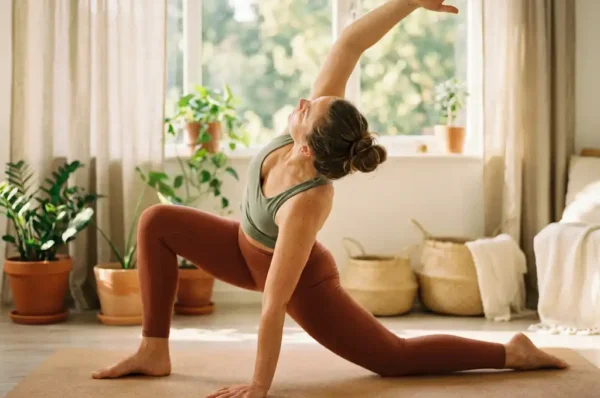
Where Vinyasa yoga excels is in building the smaller stabilizing muscles that conventional gym workouts often neglect. Balancing poses like warrior three or half moon demand constant micro-adjustments from muscles around the ankles, knees, and hips, strengthening the joints as well as the muscles surrounding them. Practicing on a supportive surface matters here too. A quality yoga mat gives you the grip and cushioning needed to hold challenging poses safely and get the most out of every session.
What are the key differences between Vinyasa yoga and strength training?
The key difference between Vinyasa yoga and strength training is the principle of progressive overload. Strength training is built around systematically increasing resistance over time to force muscle adaptation, while Vinyasa yoga uses bodyweight, breath, and movement flow as its primary tools. Both build strength, but they do so through fundamentally different mechanisms.
Strength training gives you direct control over the load placed on a specific muscle. You can add five kilograms to a squat, increase reps on a bench press, or adjust resistance on a cable machine. This precision makes it highly effective for hypertrophy, meaning the growth of muscle size. Vinyasa yoga, by contrast, is limited to your own bodyweight, which means the resistance stays relatively constant once you have mastered the foundational poses.
Another meaningful difference is intent. Strength training is primarily a physical discipline focused on output, power, and measurable performance. Vinyasa yoga integrates breath, mindfulness, and movement into a unified practice. This makes Vinyasa yoga uniquely effective for stress reduction, mental clarity, and body awareness, benefits that a standard gym session rarely delivers with the same depth.
Recovery demands also differ significantly. A heavy resistance training session creates microscopic muscle damage that requires rest to repair. Vinyasa yoga, especially at a moderate intensity, can actually support active recovery by increasing blood flow, reducing muscle tension, and calming the nervous system after a demanding workout week.
What does Vinyasa yoga lack that strength training provides?
Vinyasa yoga lacks the capacity for progressive overload, heavy loading, and targeted hypertrophy that structured strength training provides. If your goal is to significantly increase muscle mass, improve maximum strength, or hit specific performance benchmarks, strength training delivers results that Vinyasa yoga simply cannot replicate on its own.
Here are the specific areas where strength training has a clear edge over Vinyasa yoga:
- Progressive overload: You can continuously increase the challenge in strength training by adding weight, reps, or sets. Vinyasa yoga plateaus once you can comfortably perform the poses.
- Muscle isolation: Strength training allows you to target specific muscles with precision, which is essential for rehabilitation, correcting imbalances, or building particular muscle groups.
- Bone density: Resistance training with external loads is one of the most effective ways to maintain and improve bone density, particularly important as we age.
- Maximal strength development: Heavy compound lifts like deadlifts and squats develop raw strength in ways bodyweight yoga flows cannot match.
- Measurable progression: Strength training gives you clear, trackable numbers, which many people find motivating and useful for setting goals.
It is worth noting that Vinyasa yoga does an excellent job of building the kind of strength that supports daily life, such as carrying groceries, maintaining good posture, or getting up from the floor with ease. But if you are an athlete, someone managing bone health concerns, or simply someone who wants to get stronger in a measurable way, strength training needs to be part of your routine.
Should you combine Vinyasa yoga and strength training?
Yes, combining Vinyasa yoga and strength training is one of the most well-rounded approaches to fitness you can take. The two practices complement each other directly: strength training builds the raw power and muscle mass that Vinyasa yoga lacks, while Vinyasa yoga develops the flexibility, body awareness, and recovery capacity that strength training often neglects.
In practice, this combination works well across the week. Many people find that two to three strength training sessions paired with two to three Vinyasa yoga sessions creates a balanced routine that builds strength, prevents injury, and keeps the mind engaged. Vinyasa yoga sessions can serve as active recovery on days between heavier lifting days, helping muscles recover without full rest.
The benefits of combining both go beyond the physical. Vinyasa yoga teaches you to move with intention and listen to your body, which directly improves your form and focus during strength training. Many experienced lifters report that adding a regular yoga practice reduced their injury rate and improved their range of motion in compound lifts like squats and overhead presses.
If you are just starting out or returning to movement after a break, beginning with Vinyasa yoga is a genuinely smart entry point. It builds the foundational strength, joint stability, and body awareness that makes strength training safer and more effective when you add it in. Exploring our range of yoga sets is a great way to set yourself up with everything you need to start that journey with confidence.
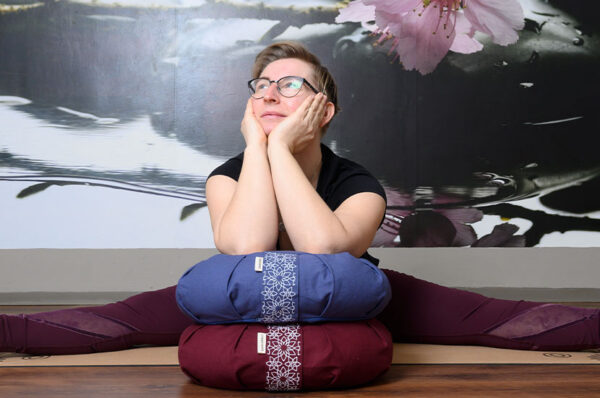
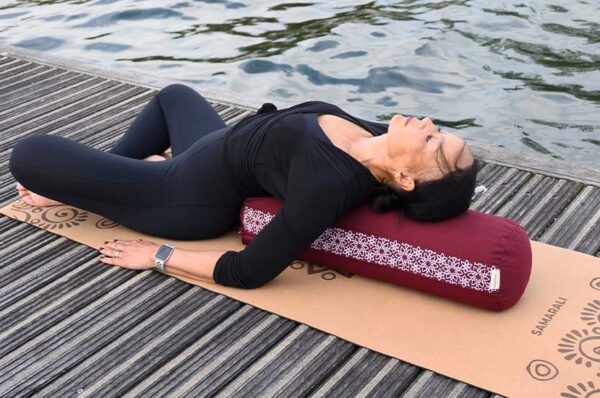
Ultimately, the question is not which practice is better. It is how to use both intelligently so they support each other. Vinyasa yoga and strength training together create a more complete, sustainable, and enjoyable approach to fitness than either can offer alone. Ready to build your practice on a solid foundation? At Samarali, you will find everything you need to support your Vinyasa journey — from a natural rubber yoga mat that delivers grip and cushioning through every flow, to a yoga bolster for deeper recovery stretches between training sessions. Browse the full yoga collection and shop now to set yourself up for a stronger, more balanced practice.
Frequently Asked Questions
How many times a week should I practice Vinyasa yoga if I'm already doing strength training?
Two to three Vinyasa yoga sessions per week work well alongside a regular strength training schedule. The key is placement: schedule yoga on your lighter or rest days to use it as active recovery, or add a shorter flow after a strength session to aid cooldown and mobility. Avoid intense Vinyasa practice immediately before heavy lifting days, as pre-fatiguing stabilizing muscles can compromise your form and increase injury risk.
Can Vinyasa yoga help me lose weight, or do I need to add strength training for that?
Vinyasa yoga does burn calories — a vigorous 60-minute session can burn between 400 and 600 calories depending on intensity and body weight — and it supports weight management through stress reduction and improved sleep, both of which affect metabolism. However, strength training has the added advantage of increasing your resting metabolic rate by building lean muscle mass, meaning you burn more calories even at rest. For the most effective and sustainable fat loss, combining both practices alongside a balanced diet gives you the best results.
I'm a complete beginner — is it better to start with Vinyasa yoga or strength training?
Starting with Vinyasa yoga is a genuinely smart move for most beginners. It builds foundational body awareness, joint stability, and functional strength that make you far less prone to injury when you eventually add external loads. Even four to six weeks of consistent Vinyasa practice will improve your posture, core engagement, and movement patterns — all of which directly translate into safer, more effective strength training sessions down the line.
Will doing a lot of Vinyasa yoga make me too flexible and actually hurt my strength training performance?
This is a common misconception. Functional flexibility gained through Vinyasa yoga improves, rather than hinders, strength training performance by increasing your range of motion in key compound movements like squats, deadlifts, and overhead presses. The concern about being ‘too flexible’ typically applies to excessive passive stretching done immediately before heavy lifting, which can temporarily reduce force output. Vinyasa yoga, being an active and dynamic practice, does not carry the same risk and instead supports better movement quality under load.
What type of Vinyasa yoga is most effective for building strength specifically?
Power Vinyasa and Ashtanga-based flows are the most strength-focused styles, as they emphasize longer holds, more demanding transitions like chaturanga push-ups, and a faster pace that keeps muscles under tension for extended periods. Look for classes or sequences that incorporate arm balances, inversions, and standing balance poses, as these place the greatest demand on your muscular system. If you’re practicing at home, searching for ‘strength-focused Vinyasa’ or ‘power flow’ sequences will steer you toward the more physically challenging end of the spectrum.
How long does it take to notice strength gains from Vinyasa yoga alone?
Most people notice meaningful improvements in muscular endurance, core stability, and upper body strength within four to eight weeks of consistent practice — typically three or more sessions per week. Early gains tend to be most visible in the core, shoulders, and arms due to the frequency of plank and chaturanga-based movements in a typical flow. Progress will feel less linear than in strength training since there are no numbers to track, so paying attention to how poses feel — easier transitions, longer holds, better balance — is the most reliable way to measure your improvement.
Are there any injuries or physical limitations where Vinyasa yoga is a better choice than strength training?
Yes — for people managing certain joint sensitivities, early-stage rehabilitation, or high stress levels affecting recovery, Vinyasa yoga is often the more appropriate starting point. Its low-impact nature, emphasis on controlled movement, and nervous system benefits make it gentler on the body while still building functional strength. That said, always consult a physiotherapist or medical professional before starting any new exercise program if you have an existing injury, as some Vinyasa poses — particularly those involving the wrists, knees, or lower back — may need to be modified to suit your specific condition.