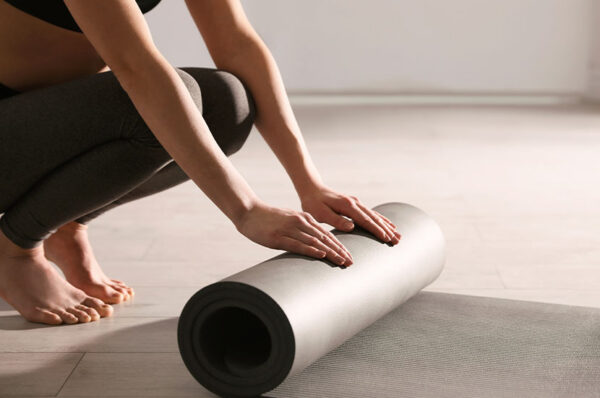



Natural rubber yoga mats support sustainability through renewable sourcing, biodegradable properties, and minimal environmental impact. Unlike synthetic alternatives, they come from rubber trees that regenerate naturally and decompose at the end of their life. The harvesting process preserves forests while creating eco-friendly products that align with conscious living values.
What makes natural rubber yoga mats more sustainable than synthetic alternatives?
Natural rubber yoga mats offer renewable sourcing and complete biodegradability, making them significantly more sustainable than PVC or TPE alternatives. Key sustainability advantages include:
- Renewable harvesting process – Rubber comes from Hevea brasiliensis trees through a tapping process that doesn’t harm the tree, allowing continuous harvesting for 25–30 years per tree
- Tree-friendly collection method – The process involves making small incisions in the bark to collect latex sap, similar to collecting maple syrup, keeping trees healthy and productive throughout their lifespan
- Natural decomposition – When natural rubber mats reach the end of their life, they decompose naturally within 5–10 years, returning nutrients to the soil
- Lower energy production – Processing involves simple steps like coagulating latex, washing, and drying that don’t require the high-temperature chemical processes needed for synthetic materials
These characteristics create a complete sustainability cycle that supports both environmental health and product longevity. While synthetic yoga mats made from PVC contain harmful chemicals and can take hundreds of years to break down in landfills, natural rubber eliminates these concerns by using a completely renewable resource that supports forest ecosystems rather than depleting them.
How does natural rubber production support environmental conservation?
Natural rubber cultivation actively supports forest preservation and carbon sequestration while protecting biodiversity. Environmental benefits include:
- Carbon absorption – Rubber trees absorb approximately 10 tonnes of CO2 per hectare annually, making them remarkably efficient at carbon storage
- Ecosystem creation – Mature plantations create forest-like ecosystems that support local wildlife and maintain regional water cycles
- Biodiversity support – Rubber plantations maintain tree cover that prevents soil erosion and provides habitat for various species
- Sustainable farming practices – Many operations include intercropping with other plants, maintaining biodiversity corridors, and avoiding harmful pesticides
- Economic sustainability – The industry supports rural economies in developing countries, providing stable income for millions of smallholder farmers
This comprehensive approach creates positive environmental impact rather than just minimising harm. When you choose natural rubber products, you’re supporting agricultural communities and encouraging land use that preserves forest cover, contrasting sharply with synthetic material production that releases greenhouse gases and depletes finite resources.
What should you look for when choosing a truly sustainable natural rubber yoga mat?
Look for 100% natural rubber content and credible certifications when selecting sustainable natural rubber yoga mat options. Essential criteria include:
- Verified rubber content – Authentic natural rubber mats should specify the rubber source and avoid synthetic additives or chemical treatments
- Environmental certifications – Check for certifications like FSC (Forest Stewardship Council) or GREENGUARD that verify environmental standards
- Minimal processing – Genuinely sustainable mats use minimal chemical processing and avoid synthetic dyes or toxic adhesives
- Sustainable packaging – Look for brands using recycled or biodegradable packaging materials rather than plastic wrapping
- Transparent sourcing – Truly sustainable brands transparently share information about rubber sourcing, plantation practices, and end-of-life disposal
- Quality pricing – Genuine natural rubber mats typically cost more than synthetic alternatives due to sustainable sourcing and ethical manufacturing
These factors work together to ensure you’re getting an authentically sustainable product that supports environmental conservation. Be wary of greenwashing tactics such as vague environmental claims without specific details, and remember that genuine natural rubber mats should have a natural rubber smell initially that fades with use, providing better long-term value for conscious consumers.
Choosing sustainable yoga mats represents a meaningful step towards environmentally responsible practice. Natural rubber options support forest conservation, reduce waste, and align your yoga journey with values of environmental stewardship. At Samarali, we understand this connection between mindful practice and planetary care—that’s why all our yoga and meditation gear uses organic cotton fabrics and completely plastic-free packaging, supporting your commitment to both personal wellness and environmental responsibility.
Browse our selection of thoughtfully crafted collection of sustainable yoga essentials—designed for mindful movement and made with respect for the planet.