


For yin yoga, the best blanket to use is a thick, foldable blanket that provides firm yet comfortable support under joints, bones, and muscles during long-held passive poses. A dedicated organic cotton yoga blanket is ideal, as it offers the right balance of cushioning and stability without slipping. Below, we break down exactly what to look for, which materials work best, and how to use a blanket effectively as a prop.
What makes a blanket suitable for yin yoga?
A blanket is suitable for yin yoga when it is firm enough to hold its shape under body weight, foldable into multiple configurations, and thick enough to cushion bony areas like knees, hips, and ankles during poses held for three to five minutes or longer. The blanket needs to stay in place and provide consistent, even support throughout the entire hold.
Unlike more dynamic yoga styles, yin yoga asks you to sink deeply into postures and stay there. That means any prop you use has to do its job reliably for several minutes at a time. A blanket that bunches up, slides across the mat, or compresses too quickly under pressure will interrupt your practice and force you to constantly readjust.
The key qualities to look for are:
- Density: The blanket should feel substantial and hold its folded shape under the weight of your body.
- Size: Large enough to fold into different thicknesses and shapes, typically at least 150 x 200 cm.
- Texture: Enough grip to stay put on a yoga mat without sliding.
- Versatility: Easy to fold into a wedge, roll into a cylinder, or lay flat depending on the pose.
A blanket that meets these criteria becomes one of the most versatile props in your yin yoga toolkit, often replacing or complementing a yoga bolster in many poses.
Which blanket materials work best for yin yoga?
The best blanket materials for yin yoga are natural fibers like organic cotton, wool, and cotton-wool blends. These materials are dense enough to provide real support, breathable enough to keep you comfortable during long holds, and durable enough to maintain their structure over time. Organic cotton is particularly popular because it is soft, washable, and sustainably sourced.
Here is how the most common materials compare:
- Organic cotton: A top choice for yin yoga. It is firm when folded, gentle on skin, and holds its shape well. It is also easy to wash and a more eco-conscious option.
- Wool: Naturally dense and warm, wool blankets offer excellent support. They are especially useful in cooler studios or during the relaxation phase of a practice. The downside is that they can feel scratchy against bare skin.
- Cotton-wool blend: Combines the softness of cotton with the density of wool, making it a well-rounded option for year-round use.
- Fleece or synthetic materials: These tend to be too light and slippery for use as a prop. They are better suited for warmth during savasana than for structural support in poses.
If sustainability matters to you as much as your practice, choosing a blanket made from certified organic cotton or responsibly sourced wool ensures that your purchase aligns with your values as well as your yoga needs.
Can you use a regular blanket instead of a yoga blanket?
Yes, you can use a regular blanket for yin yoga, but it depends on the blanket. A regular blanket works well if it is thick, tightly woven, and holds its shape when folded. Thin duvets, fluffy throws, or lightweight fleece blankets are not suitable because they compress too easily and do not provide the stable support that yin poses require.
A good test is to fold your blanket into quarters and press down on it firmly. If it holds its height and feels stable, it will likely work as a prop. If it flattens immediately or shifts around, it will not give you the support you need during a long hold like a supported dragon or sleeping swan pose.
That said, a blanket designed specifically for yoga practice will almost always outperform a household blanket. Yoga blankets are made with prop use in mind, which means they are sized and weighted to fold into useful shapes, stay in position on a mat, and withstand regular washing without losing their structure. If you practice yin yoga regularly, investing in a proper yoga blanket makes your practice noticeably more comfortable and consistent.
How do you use a blanket as a prop in yin yoga?
In yin yoga, a blanket is used to cushion, elevate, or support different parts of the body depending on the pose. The most common uses are folding it under the knees or hips to reduce pressure on joints, rolling it to support the lower back or neck, and draping it flat over the body for warmth during savasana or long holds.
Here are the most practical ways to use a blanket in your yin practice:
- Under the knees in seated forward folds: Fold the blanket into a firm rectangle and place it under your knees to reduce strain on the hamstrings and lower back, making it easier to relax into the pose without forcing the stretch.
- Under the hips in reclined poses: A folded blanket under the sit bones or sacrum helps tilt the pelvis into a more comfortable position, which is especially helpful in poses like reclined butterfly or supported bridge.
- As a bolster substitute: Roll the blanket tightly and use it under the spine, knees, or neck in restorative positions. It will not be quite as firm as a dedicated bolster, but it works well for gentle elevation and support.
- Under ankles or shins in prone poses: In poses like sphinx or seal, a folded blanket under the lower legs reduces pressure on the tops of the feet and ankles.
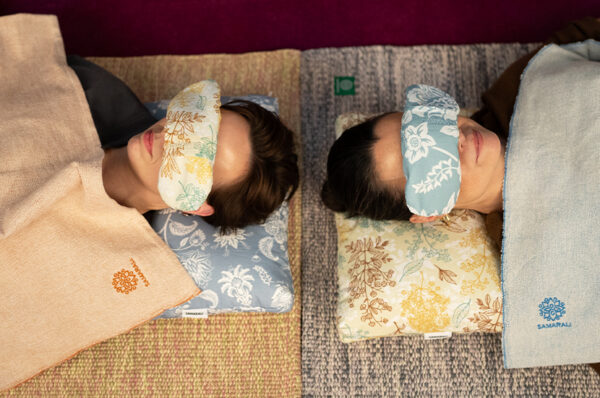
- As a wrap during savasana: Lay the blanket flat over your body at the end of practice to stay warm while your nervous system settles. Body temperature drops during long periods of stillness, and staying warm helps you relax more deeply.
The more familiar you become with folding and positioning your blanket, the more naturally it becomes part of your setup. Pairing it with yoga props like a mat and bolster gives you a complete foundation for a supported, sustainable yin practice.
Frequently Asked Questions
How many blankets do I need for a yin yoga practice?
Most practitioners find that one or two blankets is sufficient for a complete yin yoga session. A single well-made yoga blanket can be repositioned and refolded between poses to serve multiple purposes throughout a class. If you practice restorative or yin yoga frequently, having a second blanket gives you more flexibility — for example, using one as a prop under your hips while keeping another ready to drape over you during long holds or savasana.
My blanket keeps sliding on my yoga mat — how do I stop it from moving?
The most effective fix is to choose a blanket made from a natural fiber like cotton or wool, which naturally grips a mat surface better than synthetic materials. If slipping is still an issue, try placing a thin non-slip mat layer or a damp cloth between the blanket and your yoga mat. You can also orient the blanket so its woven texture runs perpendicular to the direction of movement, which adds friction and helps it stay in place during long holds.
Can I use a yoga blanket as a substitute for a bolster in every yin pose?
A rolled or folded yoga blanket works well as a bolster substitute in many poses, but it has its limits. For poses that require a firm, rounded elevation — such as a fully supported fish pose or a deep chest opener — a dedicated bolster provides more consistent height and stability than a blanket can. That said, for gentler elevation under the knees, spine, or neck, a tightly rolled cotton yoga blanket is a very capable and affordable alternative.
How do I wash and care for a yoga blanket without it losing its shape or firmness?
Most cotton and cotton-blend yoga blankets can be machine washed on a gentle or cold cycle and air-dried flat to preserve their structure. Avoid tumble drying on high heat, as this can cause shrinkage and break down the weave over time. Wool blankets may require hand washing or dry cleaning depending on the manufacturer’s care instructions. Always check the label before washing, and avoid using fabric softeners, which can reduce the natural grip and texture of the blanket.
What size yoga blanket is best if I'm taller or have a larger body frame?
If you are taller than average or have a broader frame, look for a blanket that measures at least 150 x 200 cm — ideally closer to 160 x 210 cm. A larger blanket gives you more material to fold into thicker, more supportive configurations, and ensures adequate coverage when used flat during savasana. Blanket size matters more in yin yoga than in many other styles because you rely on it for structural support, not just warmth.
Are there any yin yoga poses where a blanket is more useful than a block?
Yes — blankets are generally more useful than blocks in any pose that requires cushioning a large surface area, such as under the shins in sphinx pose, beneath the hips in reclined butterfly, or across the thighs in a seated forward fold. Blocks are better suited for targeted elevation of a single point, like lifting the hands or supporting one side of the pelvis. When you need broad, even support across a joint or muscle group, a folded blanket almost always provides a more comfortable and body-conforming solution.
I'm new to yin yoga — should I buy a yoga blanket before my first class?
It is not strictly necessary before your very first class, as most yoga studios provide props including blankets for students to use. However, if you plan to practice at home or attend classes regularly, investing in your own yoga blanket early on is worthwhile. Having your own blanket means you can experiment with folding techniques, get used to its feel and dimensions, and build prop-use habits that make your practice more comfortable and effective from the start.
Ready to build a yin yoga practice that truly supports your body? At Samarali, you will find everything you need to practice with comfort and intention. Browse our organic cotton yoga blanket for reliable, eco-conscious prop support, or pair it with a yoga bolster for deeper restorative holds. Looking to complete your setup? Explore the full yoga mats collection or discover our curated yoga sets for a cohesive, thoughtfully chosen kit. Shop now and give your practice the foundation it deserves.