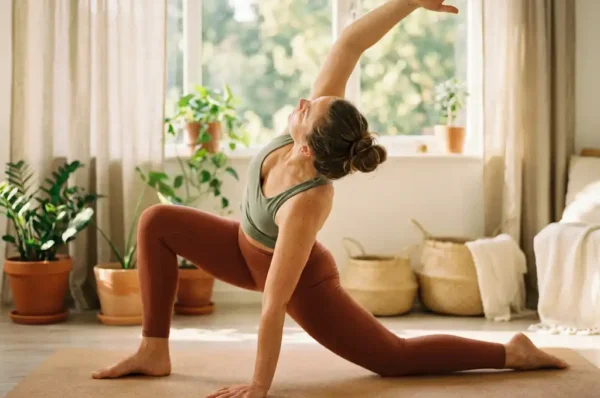



Vinyasa yoga is a dynamic style of yoga that links breath to movement, flowing continuously from one pose to the next in a sequence. Unlike static yoga styles, vinyasa is defined by its fluid, dance-like transitions and the principle that every movement is initiated and guided by either an inhale or an exhale. It suits a wide range of practitioners and can be adapted to different fitness levels and intentions.
Below, we answer the most common questions about vinyasa yoga so you can decide whether it is the right practice for you.
How is vinyasa yoga different from other yoga styles?
Vinyasa yoga stands apart from other styles through its emphasis on continuous, breath-driven movement rather than holding static poses. Where styles like Hatha yoga pause in each posture and Yin yoga holds poses for several minutes, vinyasa keeps you moving, creating a meditative flow state that connects body and breath throughout the entire practice.
Compared to Ashtanga yoga, which follows a fixed sequence of postures every class, vinyasa is intentionally varied. Teachers design their own sequences, which means no two vinyasa classes are exactly alike. This creative freedom makes the practice feel fresh and engaging over time.
Bikram and hot yoga, by contrast, follow rigid, repeated sequences in a heated room. Vinyasa can be practiced in a heated environment too, but the defining quality is the fluid linking of movement and breath rather than the setting or temperature. Power yoga is closely related to vinyasa and is often used interchangeably, though power yoga tends to emphasize strength and intensity more explicitly.
What does a typical vinyasa yoga class look like?
A typical vinyasa yoga class lasts between 45 and 75 minutes and moves through a structured arc: a gentle warm-up, a building sequence of standing and balancing poses, a peak pose or peak sequence, and a cooling-down period that ends in Savasana. The class is set to music in many studios, and the teacher cues transitions with breath counts rather than timers.
Classes usually open with grounding postures or seated breathing to help students arrive and focus. From there, the teacher guides the group through Sun Salutations, which are the backbone of most vinyasa practices. These flowing sequences warm the body, establish the breath-movement connection, and build heat progressively.
As the class develops, postures become more challenging and sequences more complex. A teacher might build toward a peak pose such as Warrior III, a backbend, or an arm balance, sequencing the earlier poses to prepare the body intelligently. After the peak, the class winds down through forward folds, hip openers, and twists before arriving at a final rest in Savasana.
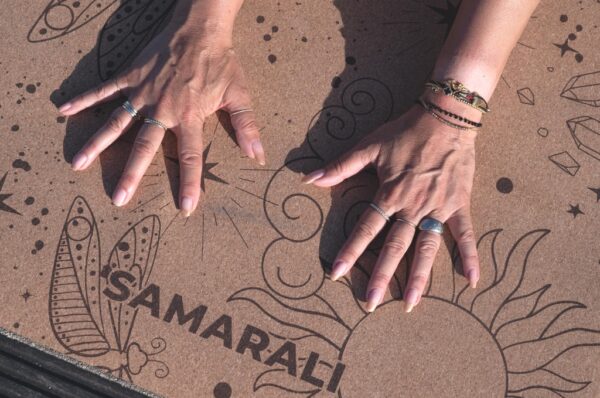
To get the most out of your practice, a supportive yoga mat makes a genuine difference. A mat with good grip and cushioning allows you to move through transitions with confidence and stability.
Is vinyasa yoga suitable for beginners?
Yes, vinyasa yoga is suitable for beginners, provided they choose a class level that matches their current experience. Many studios offer beginner or all-level vinyasa classes specifically designed to introduce foundational postures, breathing techniques, and the principles of flowing movement at a manageable pace.
That said, vinyasa is more physically demanding than introductory Hatha classes, so beginners benefit from learning a few core postures before stepping into a faster-paced flow. Understanding Downward Dog, Plank, Chaturanga, and Cobra or Upward Dog will help you follow transitions without feeling lost.
A few practical tips for beginners starting vinyasa yoga:
- Start with beginner or level-one classes and communicate your experience level to the teacher before class
- Use modifications freely, such as dropping your knees in Chaturanga or stepping rather than jumping through transitions
- Focus on the breath first and the shape of the pose second
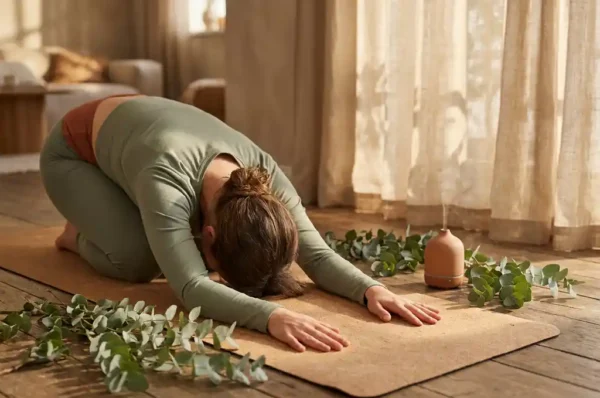
- Rest in Child’s Pose whenever you need to recover without disrupting the class
- Practice consistency rather than perfection, since vinyasa rewards regular attendance over time
Most beginners find that after a handful of classes, the sequences start to feel familiar and the breath-movement connection becomes more natural.
What are the main benefits of a regular vinyasa practice?
A regular vinyasa yoga practice builds strength, flexibility, cardiovascular fitness, and mental focus simultaneously. Because the practice is continuous and physically engaging, it trains the body in a holistic way while also cultivating the kind of present-moment awareness that reduces stress and supports mental well-being.
The physical benefits develop progressively with consistent practice:
- Strength: Holding and transitioning through postures like Plank, Chaturanga, and Warrior sequences builds functional strength across the whole body, particularly in the core, arms, and legs
- Flexibility: Moving through a full range of motion in every class gradually lengthens muscles and improves joint mobility
- Cardiovascular health: The flowing, continuous nature of vinyasa elevates the heart rate in a way that static yoga styles do not, supporting heart health and stamina
- Balance and coordination: Balancing poses and complex transitions train proprioception and body awareness over time
Beyond the physical, vinyasa yoga has a well-established relationship with stress reduction. The requirement to synchronise breath and movement demands a level of mental presence that interrupts habitual thought patterns. Many practitioners describe leaving a vinyasa class feeling both physically released and mentally clear.
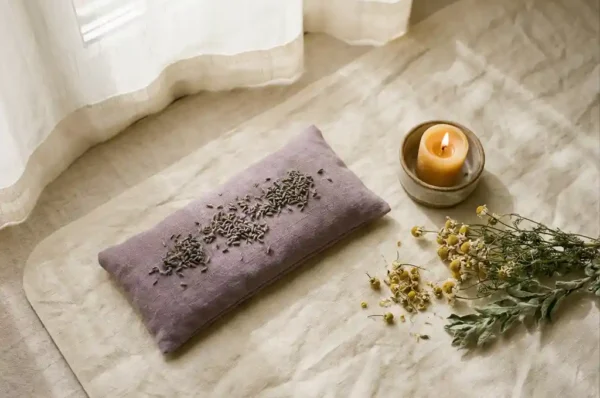
Over months and years, a consistent vinyasa practice also tends to develop body literacy, meaning a deeper, more intuitive understanding of how your body moves and what it needs. This awareness often extends beyond the mat into daily posture, movement habits, and even sleep quality. For those who also enjoy quieter, more restorative sessions alongside their vinyasa practice, exploring meditation tools can complement the energy and clarity that a flowing practice cultivates.
Frequently Asked Questions
How often should I practice vinyasa yoga to start seeing results?
For noticeable improvements in strength, flexibility, and mental clarity, aim to practice vinyasa yoga at least 3 times per week. Even two consistent sessions per week will build familiarity with the sequences and deepen the breath-movement connection over time. The key is regularity rather than intensity — a steady, moderate schedule will serve you far better than sporadic intense sessions.
What should I wear and bring to my first vinyasa class?
Wear form-fitting, breathable activewear that allows a full range of motion without shifting or bunching during inversions and transitions. Avoid overly loose clothing, as it can fall forward in poses like Downward Dog. Bring a grippy yoga mat, a water bottle, and a small towel if you tend to sweat — many vinyasa classes generate significant heat. Most studios provide props like blocks and straps, but it’s worth checking in advance.
Can I practice vinyasa yoga if I have an injury or a physical limitation?
In many cases, yes — but communication with your teacher before class is essential. A knowledgeable vinyasa instructor can offer pose modifications or alternatives that protect vulnerable areas such as the wrists, knees, or lower back. For more significant injuries or chronic conditions, it’s advisable to get clearance from a healthcare provider first and consider one-on-one sessions before joining a group class, so your teacher can tailor the practice safely to your needs.
What is the difference between a vinyasa 'flow' and the specific move called 'a vinyasa'?
This is a common source of confusion for newer practitioners. ‘Vinyasa yoga’ or a ‘vinyasa flow’ refers to the overall style of breath-linked, flowing yoga. However, ‘a vinyasa’ (used as a noun by teachers) refers to a specific transitional sequence — typically Plank, Chaturanga Dandasana, Upward Dog, and Downward Dog — that is repeated throughout class to reset the body between pose sets. When a teacher says ‘take a vinyasa,’ they are cueing this particular four-move transition, not the entire practice style.
Is vinyasa yoga a good workout for weight loss or cardiovascular fitness?
Vinyasa yoga can meaningfully contribute to cardiovascular fitness and calorie expenditure, particularly in faster-paced or heated classes where the heart rate stays elevated throughout. However, it is most effective when viewed as part of a broader wellness approach rather than a standalone weight-loss tool. The practice excels at building lean muscle, improving metabolic efficiency, and reducing stress-related cortisol levels — all of which support healthy body composition over time alongside balanced nutrition.
How do I know if I'm ready to move from beginner to intermediate vinyasa classes?
You’re likely ready to step up when you can move through a Sun Salutation sequence with your breath leading the movement — rather than your eyes following the teacher — and when foundational poses like Chaturanga, Warrior I, and Downward Dog feel stable rather than effortful to hold. Another good indicator is that you’re consistently finishing beginner classes feeling under-challenged rather than appropriately worked. Speak to your teacher, as they can give you an honest and personalised assessment based on what they observe in your practice.
Can vinyasa yoga be practiced at home, and how do I get started without a teacher?
Absolutely — home practice is a natural extension of studio classes and many experienced practitioners do the majority of their yoga at home. For beginners, starting with structured online classes from reputable platforms (such as Yoga with Adriene, Glo, or Alo Moves) provides the guidance and sequencing logic that’s difficult to replicate on your own initially. Set up a dedicated space with a quality mat, follow along with video instruction until sequences feel intuitive, and gradually begin building short self-led flows once you understand how poses are intelligently linked together.
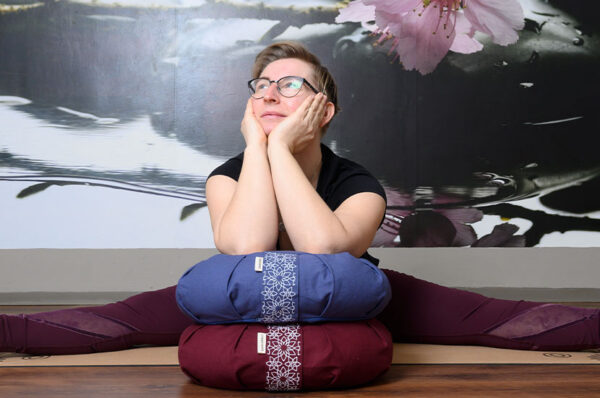
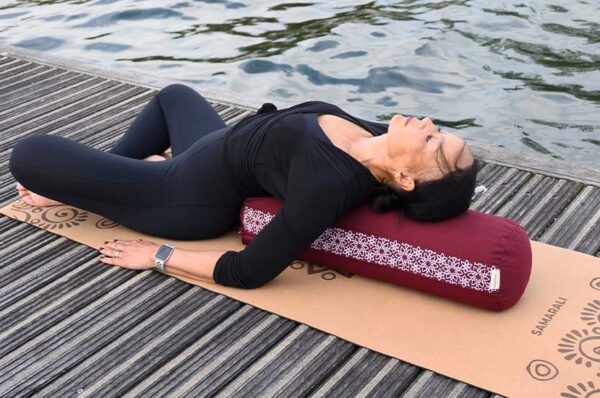
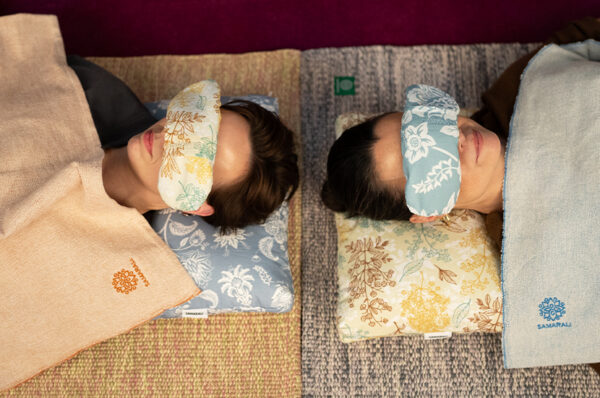
Ready to take your vinyasa practice to the next level? At Samarali, you will find everything you need to support a grounded, intentional practice — from a natural rubber yoga mat that provides excellent grip through every transition, to a yoga bolster for restorative moments and a organic cotton yoga blanket to ease you into Savasana. Whether you are just starting out or deepening an established flow practice, browse the full yoga collection at Samarali and find the tools that move with you. Shop now and bring more intention to every breath.