


Yin yoga and restorative yoga are two distinct slow-paced practices that are often confused, but they work the body in meaningfully different ways. Yin yoga targets deep connective tissues, like fascia and ligaments, through long-held passive poses that create deliberate, healthy stress. Restorative yoga, by contrast, uses props to fully support the body so muscles can completely release, focusing on nervous system recovery rather than tissue stimulation. Both practices complement an active yoga routine beautifully, and the sections below break down exactly how each one works and which might suit you best.
Which style is better for stress and recovery?
Restorative yoga is generally better for acute stress relief and physical recovery, because it places the nervous system into a deep parasympathetic state. Yin yoga also reduces stress, but it does so while simultaneously applying gentle, sustained pressure to connective tissue, which some people find stimulating rather than purely calming. For pure rest and recovery, restorative yoga is the more direct tool.
That said, both practices address stress from different angles. Yin yoga works partly by encouraging you to sit with discomfort for extended periods, which builds mental resilience and a quiet, meditative focus. Over time, this can be enormously helpful for managing everyday anxiety. Restorative yoga, on the other hand, asks nothing of you except to let go. Poses are held for five to twenty minutes, the body is fully supported by props, and the goal is zero muscular effort.
If you are recovering from illness, injury, or burnout, restorative yoga is usually the safer and more nourishing choice. If you are managing chronic tension, stiffness, or a busy mind and want something that also improves flexibility, yin yoga may serve you better. Many practitioners find that alternating between the two across the week gives them the best of both worlds.
How does yin yoga work on the body?
Yin yoga works by holding passive floor-based poses for two to five minutes, sometimes longer, to apply gentle, sustained stress to the deeper layers of connective tissue. Unlike muscle tissue, fascia, ligaments, and joint capsules respond best to slow, prolonged loading rather than dynamic movement. This sustained pressure encourages these tissues to lengthen, hydrate, and become more pliable over time.
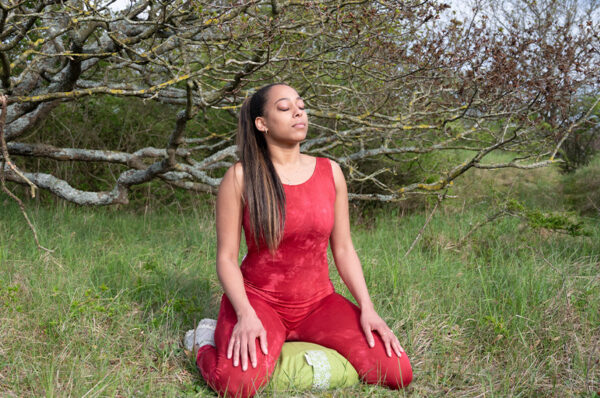
The practice draws on the Taoist concept of yin and yang, where yin represents stillness, depth, and slow change. Muscles are intentionally kept soft and relaxed during poses so that the load can bypass the muscle belly and reach the deeper structural layers. Common yin poses include dragon, butterfly, and sleeping swan, all of which target the hips, pelvis, and lower spine where connective tissue tends to accumulate the most tension.
From a physiological standpoint, yin yoga also stimulates the meridian lines recognised in traditional Chinese medicine, which practitioners believe support the flow of energy through the body. Whether or not you connect with that framework, the physical benefits of improved joint mobility, reduced stiffness, and greater range of motion are widely reported by regular yin practitioners. A supportive yoga mat makes a real difference in yin practice, since you spend most of the session lying or sitting close to the floor.
How does restorative yoga work on the body?
Restorative yoga works by removing all physical effort from the body through the use of props, allowing the nervous system to shift out of a stress response and into deep rest. Bolsters, blankets, blocks, and cushions support every part of the body so that no muscle needs to engage to hold a pose. This complete muscular release signals safety to the nervous system, activating the parasympathetic response responsible for rest, digestion, and healing.
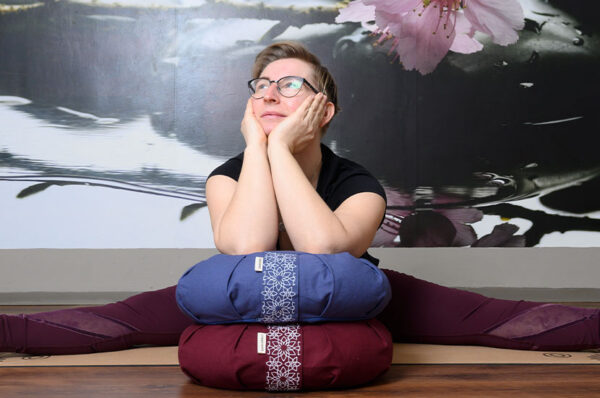
A typical restorative session might include only four to six poses held for extended periods. The body is arranged carefully so that the spine, joints, and organs are in a comfortable, neutral position. Props are not optional extras in restorative yoga; they are the entire mechanism through which the practice works. A well-placed yoga bolster under the chest in a supported fish pose, for example, gently opens the front body without any muscular effort from the practitioner.
The physiological benefits include a measurable reduction in cortisol, improved sleep quality, and faster physical recovery from exercise or illness. Because the practice is so gentle, it is suitable for people dealing with fatigue, chronic pain, or injury. It is also an excellent tool for athletes who need active recovery without adding further load to the body.
Should you do yin or restorative yoga as a beginner?
Both yin and restorative yoga are accessible for beginners, but restorative yoga is often the easier starting point because it requires no flexibility, strength, or prior yoga experience. You simply lie in supported positions and breathe. Yin yoga is also beginner-friendly but asks you to tolerate mild physical sensation over several minutes, which can feel challenging at first for people unfamiliar with sitting quietly with discomfort.
If you are brand new to yoga and your primary goal is relaxation or stress management, start with restorative yoga. It will introduce you to breathwork, body awareness, and the meditative qualities of yoga without any physical demands. If you are a beginner who already has some body awareness and wants to work on hip or lower back tightness, yin yoga is a wonderful entry point because the poses are simple and the pace is slow.
One practical tip: both practices benefit enormously from having the right props at home. An organic cotton yoga blanket is one of the most versatile tools you can own for either style, providing cushioning, warmth, and support depending on how it is folded. Starting with even a basic prop setup makes both yin and restorative yoga significantly more comfortable and effective, especially as a beginner building a home practice.
Ready to deepen your practice with the right support? At Samarali, you will find everything you need to make yin and restorative yoga at home truly nourishing. From a grounding natural rubber yoga mat to a supportive yoga bolster and a cosy organic cotton yoga blanket, every piece is chosen with mindful practice in mind. Explore the full yoga collection at Samarali and set yourself up for the rest and restoration your body deserves. Shop now.
Frequently Asked Questions
How often should I practice yin or restorative yoga each week?
For most people, two to three sessions of yin yoga per week is a good target, as connective tissue needs time to recover between sessions of sustained loading. Restorative yoga is gentler on the tissues and can be practiced daily if needed, making it ideal for high-stress periods or heavy training weeks. Many practitioners find a balanced weekly rhythm of one to two yin sessions and one to two restorative sessions works well alongside more active movement.
Can I practice yin or restorative yoga if I have a chronic injury or pain condition?
Restorative yoga is generally very safe for people with chronic pain or injury, since the body is fully supported and no load is placed on vulnerable tissues — always consult your healthcare provider first, however. Yin yoga requires more caution, as the sustained pressure on connective tissue may aggravate certain conditions such as hypermobility disorders, acute injuries, or inflamed joints. In both cases, working with a qualified teacher who can modify poses to suit your specific condition is strongly recommended.
What is the minimum amount of props I need to get started at home?
For restorative yoga, a bolster and two folded blankets will cover the majority of poses and give you a functional home setup from day one. For yin yoga, a mat and a couple of folded blankets or firm cushions are usually sufficient, since the practice relies less on props. As your practice deepens, adding a block or strap expands your options, but starting simple is perfectly effective and far better than waiting until you have a full studio-level prop collection.
What is the biggest mistake beginners make in yin yoga?
The most common mistake is pushing too deeply into a pose in an attempt to feel a strong stretch, which shifts the load back into the muscles rather than the deeper connective tissue and increases injury risk. In yin yoga, you should feel a mild, manageable sensation — often described as a dull, diffuse feeling rather than a sharp or intense one. Finding your ‘edge’ means settling at about 60–70% of your maximum range and staying there patiently, letting time and gravity do the work rather than muscular force.
How is yin yoga different from simply stretching or holding static stretches?
While yin yoga and static stretching both involve holding positions for extended periods, yin yoga is a deliberate practice that specifically targets connective tissue rather than muscle length, and it is done with the muscles intentionally relaxed rather than engaged. Static stretching typically targets the muscle belly and is often performed with some degree of muscular activation to control the range. Yin yoga also incorporates breathwork, mindfulness, and in many traditions, a framework of meridian theory that gives the practice a meditative and energetic dimension beyond physical flexibility.
Can I combine yin and restorative yoga in the same session?
Yes, and many teachers do exactly this, typically sequencing a yin section first to work the connective tissue and then closing with one or two restorative poses to allow the nervous system to settle fully. However, be mindful that the two practices have different goals, and mixing them can dilute the depth of each if the session is too short. A dedicated 60–90 minute combined session works well, but if your time is limited, choosing one approach and doing it thoroughly will generally yield better results than splitting the time between both.
Will yin or restorative yoga help with sleep problems?
Both practices can meaningfully improve sleep quality, but through slightly different mechanisms. Restorative yoga directly activates the parasympathetic nervous system and lowers cortisol, making it particularly effective when practiced in the evening as a wind-down ritual before bed. Yin yoga’s meditative quality and its ability to release chronic physical tension also support better sleep, especially for people whose sleeplessness is linked to a restless or overactive mind. Practicing either style consistently for several weeks tends to produce the most noticeable improvements in sleep depth and duration.