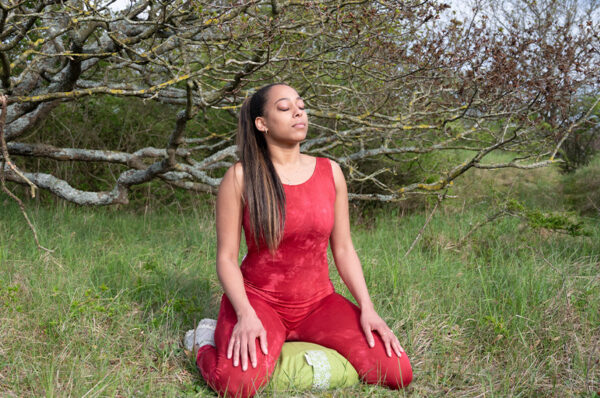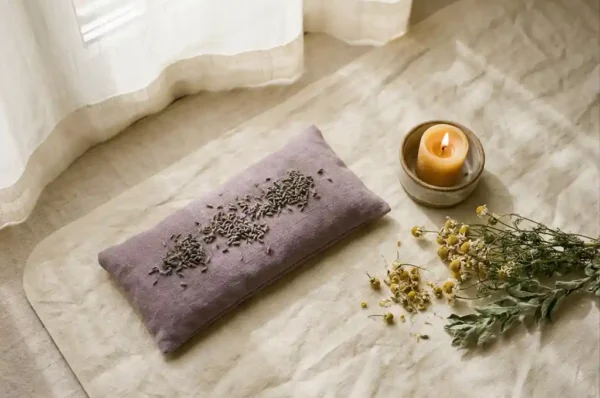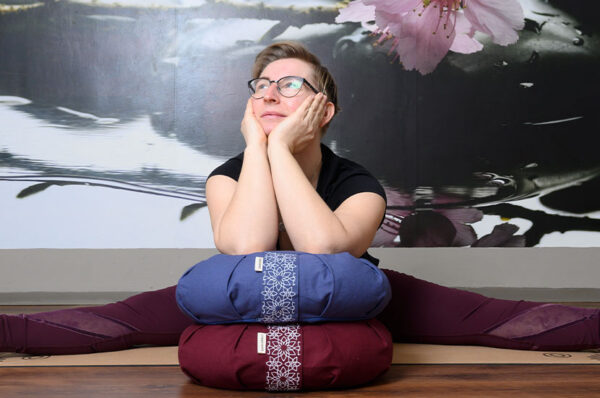



Hatha yoga is a traditional branch of yoga that uses physical postures (asanas), breathing techniques (pranayama), and meditation to balance the body and mind. It is one of the oldest and most widely practiced styles of yoga in the world, forming the foundation from which many modern yoga styles have evolved. Whether you are brand new to yoga or deepening an existing practice, understanding Hatha yoga helps you choose the right path for your wellness journey.
What are the core principles behind Hatha yoga?
Hatha yoga is built on the principle of creating balance between opposing energies in the body. The word “Hatha” comes from the Sanskrit roots ha (sun) and tha (moon), reflecting the practice’s aim to harmonize masculine and feminine, effort and ease, strength and flexibility. This balance is achieved through a combination of physical postures, conscious breathwork, and focused awareness.
At its core, Hatha yoga treats the body as a vehicle for spiritual and physical development. Each posture is held with intention, allowing practitioners to build body awareness, improve alignment, and cultivate a steady, calm mind. Unlike more dynamic styles, Hatha yoga places equal weight on stillness and movement, making the breath the anchor of every pose.
The practice also draws on the concept of prana, or life force energy, which is believed to flow through channels in the body called nadis. Through specific postures and breathing exercises, Hatha yoga aims to clear blockages in these channels, supporting both physical vitality and mental clarity. This holistic view of health is what gives Hatha yoga its enduring relevance across centuries and cultures.
How is Hatha yoga different from Vinyasa, Yin, and other styles?
Hatha yoga differs from other styles primarily in its pace and structure. In a Hatha class, poses are held for several breaths and practiced at a slower, more deliberate tempo. Vinyasa yoga links postures together in a continuous, flowing sequence synchronized with the breath, creating a more cardiovascular experience. Yin yoga goes even slower than Hatha, holding poses for several minutes to target deep connective tissue rather than muscle.
Hatha vs. Vinyasa
Vinyasa classes move quickly from one pose to the next, building heat and momentum. Hatha classes pause between postures, giving students time to find alignment, breathe fully, and understand each shape before moving on. If Vinyasa is a flowing river, Hatha is a still lake: deep, intentional, and reflective.
Hatha vs. Yin
Yin yoga targets the fascia and joints through long, passive holds, often supported by props. Hatha yoga works more actively with the muscles and engages the whole body in a balanced way. Both styles are slower than Vinyasa, but Hatha tends to be more physically engaging and upright, while Yin is largely floor-based and passive.
Other styles like Ashtanga follow a fixed sequence with strict progression, while Kundalini focuses heavily on breathwork, chanting, and energy movement. Hatha yoga sits comfortably in the middle ground, accessible and adaptable, making it one of the most versatile styles available.
What are the main benefits of a regular Hatha yoga practice?
A regular Hatha yoga practice supports physical health, mental well-being, and stress resilience. Because the style is slower and more methodical, it builds a strong foundation of flexibility, strength, and body awareness over time. Practitioners often notice improvements in posture, joint mobility, and breathing capacity alongside a greater sense of calm and focus in daily life.
- Improved flexibility and mobility: Holding poses for multiple breaths gives muscles and connective tissue time to lengthen safely and sustainably.
- Increased strength: Many Hatha postures require active engagement of the core, legs, and upper body, building functional strength gradually.
- Stress reduction: The emphasis on slow, conscious breathing activates the parasympathetic nervous system, reducing cortisol levels and promoting relaxation.
- Better posture and alignment: Regular attention to body positioning in Hatha yoga translates into improved posture and reduced tension in everyday movement.
- Mental clarity and focus: Holding poses with full attention trains concentration and mindfulness, benefits that extend well beyond the mat.
- Improved sleep quality: The calming nature of Hatha yoga, especially evening practices, is widely associated with deeper, more restful sleep.
Having the right support for your practice makes a real difference. A quality yoga mat provides the grip and cushioning you need to hold Hatha postures safely and comfortably, especially during longer holds where stability matters most.
Is Hatha yoga suitable for complete beginners?
Yes, Hatha yoga is one of the most beginner-friendly styles available. Its slower pace, clear alignment cues, and focus on individual postures make it an ideal starting point for anyone new to yoga. Beginners can learn the foundational poses, understand their body’s range of motion, and build confidence without feeling rushed or overwhelmed by fast-moving sequences.
Because Hatha classes typically hold each pose long enough to receive guidance and make adjustments, newcomers have time to understand what their body is doing and why. This makes the learning curve far gentler than in styles like Vinyasa or Ashtanga, where the pace can feel challenging before you have the basics down.
Props are also widely used in Hatha yoga, including blocks, straps, blankets, and bolsters. These tools help beginners access poses safely and comfortably regardless of their current flexibility or strength. At Samarali, we offer a range of yoga accessories made from sustainable materials, designed to support practitioners at every level of their journey.
That said, Hatha yoga is not only for beginners. Experienced practitioners return to Hatha regularly to refine their alignment, deepen their breath awareness, and reconnect with the fundamentals of their practice. It is a style that grows with you, offering new layers of depth the more you bring to it.
Frequently Asked Questions
How often should I practice Hatha yoga to start seeing real results?
For noticeable improvements in flexibility, strength, and stress levels, practicing Hatha yoga 3–4 times per week is a solid starting goal. Even two consistent sessions per week will build meaningful progress over time, especially for beginners. The key is regularity over intensity — a steady, moderate routine will always outperform occasional intense sessions. As your body adapts and your confidence grows, you can gradually increase frequency or session length.
What should I expect from my very first Hatha yoga class?
Your first Hatha class will likely include a gentle warm-up, a series of standing and seated postures held for several breaths each, and a closing relaxation pose called Savasana. The instructor will offer alignment cues and may suggest prop modifications to help you find each shape comfortably. Don’t worry if some poses feel unfamiliar or challenging — everyone in the room started exactly where you are. Arrive a few minutes early, let the teacher know it’s your first class, and focus on breathing steadily rather than achieving a perfect pose.
Can I practice Hatha yoga at home without a teacher, and is it safe?
Yes, home practice is absolutely possible and widely done, especially once you have a basic understanding of foundational poses from a class or guided video. For complete beginners, attending at least a few in-person or live online classes first is strongly recommended, as a qualified teacher can spot alignment issues that you simply cannot see yourself. When practicing at home, use a quality non-slip yoga mat, follow reputable instructors through video platforms, and always listen to your body — never push into pain. Props like blocks and straps are especially helpful when there’s no teacher present to offer hands-on adjustments.
What's the biggest mistake beginners make in Hatha yoga, and how can I avoid it?
The most common mistake is prioritizing how a pose looks over how it feels — pushing deeper into a stretch to match an image rather than working within your own range of motion. Hatha yoga is an internal practice, and forcing flexibility before your body is ready is a fast track to injury. Instead, focus on finding a sustainable edge where you feel a gentle challenge but can still breathe fully and hold the pose with control. Using props to meet your body where it is, rather than where you think it should be, is one of the smartest habits you can develop early on.
Does Hatha yoga have a spiritual component, and do I need to engage with it?
Hatha yoga does have deep roots in yogic philosophy and spirituality, including concepts like prana, chakras, and the pursuit of inner balance. However, in most modern studio or online classes, the spiritual elements are either lightly referenced or left entirely optional — you can engage with them as much or as little as feels right for you. Many practitioners come to Hatha yoga purely for its physical and mental health benefits and find tremendous value without exploring the philosophical dimension. Over time, some find that the meditative quality of the practice naturally opens a curiosity about its deeper layers, but there is no requirement to follow that path.
How do I know if I'm ready to progress to a more dynamic style like Vinyasa?
A good sign that you’re ready to explore Vinyasa is when you can move through foundational Hatha poses — such as Downward Dog, Warrior I and II, Plank, and Chaturanga — with steady breath and confident alignment. If you’re still working to stabilize your form or find yourself holding your breath during challenging poses, continuing with Hatha will build the foundation that makes Vinyasa both safer and more enjoyable. There’s also no rule that says you must progress to a faster style — many experienced yogis practice Hatha exclusively and continue to deepen their practice for years. Let your body and your goals guide the decision, not a sense of obligation to ‘level up.’
Are there specific Hatha yoga poses that are especially good for stress and anxiety?
Yes, several Hatha postures are particularly effective for calming the nervous system and easing anxiety. Child’s Pose (Balasana), Legs-Up-the-Wall (Viparita Karani), Seated Forward Fold (Paschimottanasana), and Supine Twist are all deeply restorative and activate the parasympathetic nervous system when held with slow, deliberate breathing. Incorporating a dedicated pranayama practice — such as alternate nostril breathing (Nadi Shodhana) — at the end of your session amplifies these effects significantly. If stress relief is a primary goal, consider practicing in the evening and ending every session with a full 5–10 minute Savasana to allow the nervous system to fully settle.
Ready to build or refresh your Hatha yoga practice with the right tools? At Samarali, you will find everything you need to show up fully — from a grippy, eco-friendly natural rubber yoga mat that keeps you stable through every long hold, to a supportive yoga bolster and a soft organic cotton yoga blanket for restorative poses and Savasana. All products are made from sustainable materials and designed to accompany you on the mat for years to come. Shop the full yoga collection at Samarali and find the support your practice deserves.