


A Hatha Yoga session typically lasts between 60 and 90 minutes. This timeframe gives practitioners enough time to move through a proper warm-up, a balanced sequence of poses, and a closing relaxation. That said, sessions can range anywhere from 30 minutes to two hours, depending on the class format, the teacher’s approach, and your personal goals.
Below, we answer the most common questions about Hatha Yoga session length so you can find the format that works best for you.
What typically happens during a Hatha Yoga session?
A standard Hatha Yoga session follows a structured arc that moves the body from stillness into active practice and back to rest. Most sessions open with a centering period, progress through breathing exercises and physical postures, and close with a period of deep relaxation known as Savasana. This progression is what makes the 60 to 90-minute window so common.
Here is how a typical session breaks down:
- Centering and breathwork (5 to 10 minutes): The session begins with grounding the mind and establishing conscious breathing, often through pranayama techniques.
- Warm-up (10 to 15 minutes): Gentle movements prepare the joints and muscles for deeper work, reducing the risk of strain.
- Asana practice (30 to 50 minutes): The main sequence of standing, seated, and balancing postures. Hatha Yoga holds poses longer than more dynamic styles, which is why this section benefits from more time.
- Cool-down and Savasana (10 to 15 minutes): The body releases tension accumulated during the practice. Savasana is not optional padding. It is when the nervous system integrates the benefits of everything that came before.
Because Hatha Yoga emphasises holding postures with awareness rather than flowing quickly between them, rushing through a session undermines the practice. Each pose deserves time to breathe into and explore, which is why shorter formats require careful curation of what to include.
Does session length change for beginners versus experienced practitioners?
Yes, session length often differs based on experience level, though not always in the direction people expect. Beginners frequently benefit from shorter sessions of 45 to 60 minutes because learning alignment, understanding cues, and building body awareness require significant mental focus. Longer sessions can become overwhelming before foundational habits are in place.
Experienced practitioners, on the other hand, tend to gravitate toward 75 to 90-minute sessions. With alignment already internalised, they can move more efficiently through the warm-up and spend more time in deeper postures, advanced variations, or extended breathwork. The additional time feels productive rather than tiring.
That said, experience level is only one factor. Energy levels, life demands, and physical condition on any given day all influence how long a session should be. A seasoned practitioner having a stressful week may find a focused 45-minute session more restorative than pushing through 90 minutes. Listening to the body is a core principle of Hatha Yoga, and that applies to session length as much as anything else.
How long should a Hatha Yoga session be for specific goals?
The ideal Hatha Yoga session length depends directly on what you are trying to achieve. Different goals require different volumes of practice, and matching the two makes your time on the mat far more effective.
Flexibility and mobility
If your primary goal is improving flexibility, aim for sessions of 60 to 75 minutes. Hatha Yoga’s slower pace and longer holds are particularly effective for releasing deep connective tissue, but this takes time to unfold. Shorter sessions can maintain flexibility, but meaningful gains tend to come from longer, more consistent practice. Practising on a supportive surface matters too. A quality yoga mat provides the grip and cushioning needed for sustained holds without discomfort.
Stress relief and relaxation
For stress management, even 30 to 45 minutes of Hatha Yoga can produce noticeable results, provided the session includes adequate time for breathwork and Savasana. The parasympathetic nervous system responds well to slow, deliberate movement and conscious breathing, so quality of attention matters more than total duration here.
Strength and body awareness
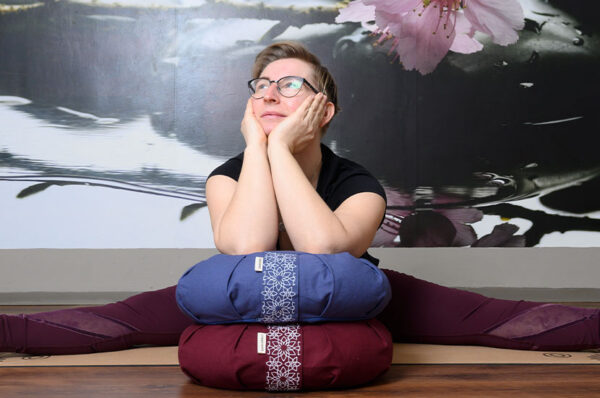
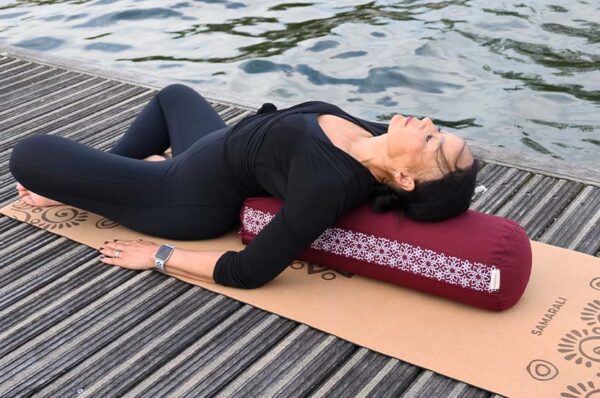
Building functional strength through Hatha Yoga benefits from sessions of 60 to 90 minutes. Holding weight-bearing postures like Warrior sequences, plank variations, and balancing poses for extended periods requires adequate warm-up time and enough volume to create a training stimulus. Props like a yoga bolster can support deeper engagement in restorative postures during the cool-down phase.
Is a 30-minute Hatha Yoga session worth it?
A 30-minute Hatha Yoga session is absolutely worth doing. While it cannot replicate everything a full 75-minute class offers, a well-structured half-hour practice delivers real benefits, including reduced tension, improved focus, and a meaningful movement break. The key is being intentional about what you include rather than cramming in too much.
A practical 30-minute structure might look like this:
- Breathwork (3 to 5 minutes): Settle the mind and activate the breath before any movement.
- Targeted asana sequence (20 minutes): Choose a theme, such as hip opening, spinal mobility, or upper body release, and work through 5 to 7 poses with intention.
- Savasana (5 minutes): Never skip this, even in a short session. It is where the practice consolidates.
Short sessions work especially well as a daily habit. Practising 30 minutes every day builds more consistency and cumulative benefit than a 90-minute session once a week. In 2026, with busy schedules being a reality for most people, a reliable short practice often outperforms an ambitious long one that rarely happens. The best Hatha Yoga session is the one you actually show up for.
Ready to support your practice with the right equipment? At Samarali, you will find everything you need to make every session count — from a natural rubber yoga mat that gives you the grip and stability Hatha Yoga demands, to a yoga bolster that deepens your restorative poses and cool-downs. Whether you are just starting out or refining a long-standing practice, the right support makes a real difference. Shop the collection now and set up your space for the practice you deserve.
Frequently Asked Questions
How many times a week should I practice Hatha Yoga to see real results?
For noticeable results, most practitioners benefit from 3 to 4 sessions per week. That said, even 2 consistent sessions per week will produce meaningful improvements in flexibility, stress levels, and body awareness over time. Consistency matters far more than frequency — a sustainable schedule you can maintain for months will always outperform an intensive one you burn out on after a few weeks.
What should I do if I don't have time for a full session on some days?
On days when time is tight, a focused 15 to 20-minute practice targeting one area — such as a short spinal mobility sequence or a few restorative hip openers — is far better than skipping altogether. You can also break your practice into two shorter segments, such as breathwork in the morning and a brief asana sequence in the evening. Think of these micro-sessions as maintenance rather than full practice, and schedule your longer sessions for days when you have more space.
Is it okay to practice Hatha Yoga every day, or does the body need rest days?
Hatha Yoga is generally gentle enough to practice daily, especially if you vary the intensity and focus of each session. Alternating between more active sessions (strength and balance work) and gentler, restorative sessions prevents cumulative fatigue and keeps the practice sustainable. If you notice persistent soreness or mental resistance, that is a signal to take a rest day or swap a session for simple breathwork and meditation instead.
How do I know if my Hatha Yoga session was long enough to be effective?
A session was effective if you feel a noticeable shift in your physical or mental state by the end — reduced tension, a calmer mind, or a sense of having moved with intention. This can happen in 30 minutes just as easily as in 90. Rather than measuring effectiveness by the clock, pay attention to whether you included the core elements: a warm-up, an intentional asana sequence, and a proper closing relaxation in Savasana.
Can I mix Hatha Yoga with other types of exercise, and how should I schedule them?
Hatha Yoga pairs well with most other forms of exercise, including strength training, running, and cycling. It works particularly well as a recovery or mobility session on rest days, or as a cool-down practice after more intense workouts. If you are doing both on the same day, it is generally best to complete your more demanding exercise first and use Hatha Yoga afterward to aid recovery, rather than depleting your energy with yoga before a high-intensity session.
What is the most common mistake beginners make when structuring their Hatha Yoga sessions?
The most common mistake is skipping or cutting short the Savasana at the end of a session, especially when time is limited. Many beginners treat it as optional, but it is actually one of the most physiologically important parts of the practice — it is when the nervous system processes and integrates everything the body just worked through. Another frequent error is trying to include too many poses in a short session, which creates a rushed, unfocused experience; it is always better to do fewer postures with full attention than to race through a long sequence.
Do I need a teacher to guide my Hatha Yoga sessions, or can I practice effectively on my own?
Both approaches have real value, and ideally you would use a combination of both. Working with a qualified teacher — whether in person or through guided online classes — is especially important in the early stages, as proper alignment feedback reduces the risk of injury and accelerates your learning. Once you have a solid foundation, self-guided home practice allows you to tailor session length and focus to your specific needs on any given day. Many practitioners find that attending one or two teacher-led classes per week while filling in with independent sessions is the most effective and flexible long-term approach.