


Vinyasa yoga is moderately to highly intense, making it one of the more physically demanding yoga styles available. The continuous flow of movement, synchronized with breath, keeps your heart rate elevated and challenges both strength and flexibility throughout the entire session. Below, we break down exactly what drives that intensity and what it means for different types of practitioners.
What makes Vinyasa yoga physically demanding?
Vinyasa yoga is physically demanding because it links postures together in a continuous, breath-driven sequence with little to no rest between movements. Unlike static yoga styles where you hold a pose and pause, Vinyasa keeps your body in constant motion, which taxes your muscular endurance, cardiovascular system, and coordination simultaneously.
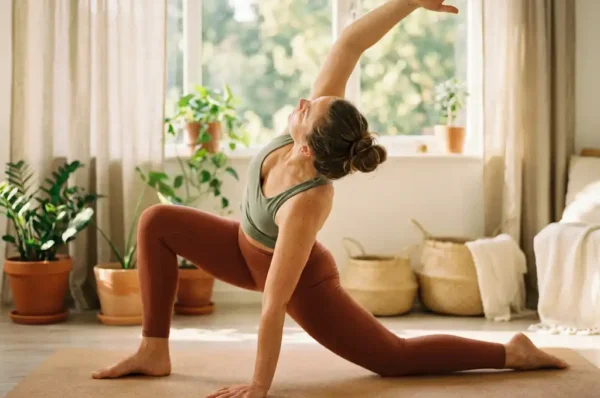
The foundation of a Vinyasa class is the sun salutation sequence, which weaves together movements like plank, chaturanga (a low push-up), upward-facing dog, and downward-facing dog. These transitions alone require significant upper body and core strength. Repeat them a dozen times across a 60-minute class and you’re looking at a genuine full-body workout.
Several factors combine to drive that physical challenge:
- Breath-to-movement synchronization: Every inhale and exhale is paired with a specific action, which keeps your nervous system engaged and prevents the natural tendency to rest between poses.
- Compound muscle engagement: Most Vinyasa poses, especially warriors, lunges, and balancing postures, recruit multiple muscle groups at once rather than isolating a single area.
- Heat accumulation: The pace generates internal heat quickly, which increases the metabolic demand on your body and amplifies how hard each posture feels.
- Instructor-driven variety: Because Vinyasa sequences are not scripted the same way every class, your body rarely fully adapts, which keeps the effort level consistently high.
A supportive, grippy surface also matters here. When your hands and feet are slipping mid-flow, you spend energy compensating rather than moving cleanly. Practicing on a quality yoga mat designed for dynamic movement makes a real difference in how safely and effectively you can meet the physical demands of each class.
Is Vinyasa yoga harder than other yoga styles?
Yes, Vinyasa yoga is generally harder than most other yoga styles when measured by cardiovascular output and muscular endurance. Compared to Hatha, Yin, or Restorative yoga, Vinyasa moves at a significantly faster pace and demands more from your body across the full duration of a class.
Here is how Vinyasa stacks up against some common alternatives:
- Hatha yoga: Slower and more instructional, Hatha focuses on individual postures with rest in between. It is far more accessible for beginners and those recovering from injury.
- Yin yoga: Poses are held passively for several minutes, targeting connective tissue rather than muscle. Yin is meditative and low intensity, sitting at the opposite end of the spectrum from Vinyasa.
- Ashtanga yoga: This is the closest rival to Vinyasa in terms of intensity. Ashtanga follows a fixed sequence and is arguably more demanding for advanced practitioners, but Vinyasa can match or exceed it depending on the teacher’s pace.
- Bikram or hot yoga: The heated environment adds its own physical stress, but the postures themselves are less dynamic than Vinyasa.
The honest answer is that Vinyasa sits near the top of the intensity scale among mainstream yoga styles, though it remains more accessible than the strictest forms of Ashtanga. The difficulty also varies significantly between teachers, so a beginner Vinyasa class will feel quite different from an advanced one.
Can beginners handle a Vinyasa yoga class?
Beginners can absolutely take a Vinyasa yoga class, but it helps to walk in with realistic expectations. A beginner-level Vinyasa class is designed to introduce the fundamental transitions at a manageable pace, with the teacher offering modifications for most postures. The key is choosing a class specifically labeled as beginner or level one rather than jumping into an all-levels or advanced session.
That said, even a beginner Vinyasa class will feel more challenging than a basic Hatha class. Your first few sessions may leave your arms and core noticeably fatigued, which is completely normal. The body adapts quickly, and most people find the intensity feels far more manageable after just a few weeks of consistent practice.
A few things that help beginners succeed in Vinyasa:
- Arrive early and let the teacher know it is your first class so they can keep an eye on your alignment.
- Focus on the breath connection rather than perfecting every posture. The breath is what makes Vinyasa work, and prioritizing it over shape will serve you better long term.
- Use modifications freely. Dropping a knee in plank or skipping chaturanga entirely is not cheating, it is smart practice.
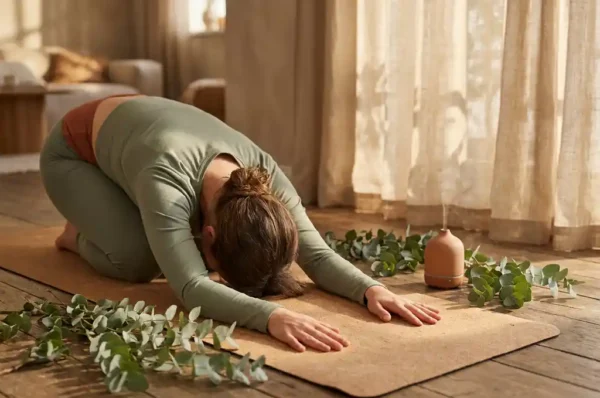
- Rest in child’s pose whenever you need to. Good Vinyasa teachers actively encourage this.
If you are brand new to yoga entirely, one or two Hatha sessions beforehand can help you learn the names and shapes of foundational poses before they start moving at Vinyasa speed.
How does Vinyasa yoga compare to a cardio workout?
Vinyasa yoga functions as a genuine cardio workout, particularly in faster-paced or heated classes. The continuous movement keeps your heart rate in a moderate to vigorous aerobic zone for much of the session, which is comparable to a brisk cycling ride or a steady-state jog. It is not the same as high-intensity interval training, but it delivers real cardiovascular benefit alongside the strength and flexibility gains yoga is known for.
What makes Vinyasa stand out from conventional cardio is that it trains multiple physical qualities at once. A 60-minute Vinyasa session builds muscular endurance, improves joint mobility, develops balance, and trains breath control, all while keeping the heart rate elevated. A treadmill run, by contrast, primarily targets cardiovascular fitness with limited strength or flexibility benefit.
The caloric expenditure in Vinyasa is also meaningful. While individual results vary based on body weight, fitness level, and class intensity, a vigorous Vinyasa session burns energy at a rate broadly comparable to moderate cycling or swimming. It is not a replacement for dedicated cardiovascular training if that is a specific goal, but for someone looking for a single practice that covers multiple fitness bases, Vinyasa is genuinely effective.
One area where Vinyasa clearly outperforms traditional cardio is recovery and nervous system regulation. The breath work woven throughout the practice actively engages the parasympathetic nervous system, which helps manage stress hormones and supports recovery in a way that running on a treadmill simply does not. This is part of why so many people who combine Vinyasa with other training forms find it improves their overall well-being, not just their fitness.
Frequently Asked Questions
How often should I practice Vinyasa yoga to see real progress?
For noticeable improvements in strength, flexibility, and cardiovascular fitness, aim for 3 to 4 Vinyasa sessions per week. Consistency matters more than frequency in the early stages — two regular sessions per week will yield better results than sporadic intense bursts. Most practitioners begin to feel a meaningful difference in endurance and ease of movement within 4 to 6 weeks of consistent practice.
What should I do if I can't keep up with the pace of a Vinyasa class?
The most effective strategy is to simplify rather than stop entirely — drop to your knees in plank, skip chaturanga and go straight to downward dog, or rest in child’s pose and rejoin the flow on the next breath cycle. Trying to force every transition at full speed when your body isn’t ready yet is a fast track to poor form and potential injury. Over time, your stamina will build and you’ll naturally find yourself keeping pace without the modifications.
Is Vinyasa yoga suitable for people with wrist or shoulder issues?
Vinyasa places significant load on the wrists and shoulders due to the repeated plank, chaturanga, and downward dog transitions, so existing issues in those areas do require extra attention. Many teachers offer modifications such as performing chaturanga on the knees, using fists instead of flat palms to reduce wrist extension, or substituting cobra for upward-facing dog. It’s worth speaking with your doctor or physiotherapist before starting, and always informing your Vinyasa instructor of any limitations so they can guide you toward safe alternatives.
Can Vinyasa yoga help with weight loss?
Vinyasa yoga can support weight loss as part of a broader healthy lifestyle, primarily through its caloric burn, muscle-building effects, and stress-reduction benefits — since elevated cortisol is a known contributor to weight retention. It works best when combined with a balanced diet and adequate sleep rather than treated as a standalone fat-loss solution. The muscle tone developed through regular practice also increases resting metabolic rate over time, which contributes to longer-term body composition changes.
What equipment do I actually need to get started with Vinyasa yoga?
The bare minimum is a quality yoga mat with good grip and cushioning, since Vinyasa’s dynamic transitions put more demand on your mat than slower styles do. A set of yoga blocks is highly recommended for beginners, as they make many standing and balancing postures far more accessible without compromising alignment. Comfortable, form-fitting clothing that allows a full range of motion rounds out the essentials — you don’t need much, but investing in a reliable mat from the start will meaningfully improve both your safety and your experience.
How do I know if I'm ready to move from beginner to intermediate Vinyasa classes?
A good sign you’re ready to level up is when you can move through a full sun salutation sequence — including chaturanga — with controlled form and without needing to pause or modify every transition. You should also feel comfortable linking breath to movement without having to consciously think about it during basic flows. If you’re consistently finishing beginner classes feeling like you have energy left and want more of a challenge, that’s a clear signal to try an all-levels or intermediate session.
Is it okay to combine Vinyasa yoga with strength training or running?
Absolutely — Vinyasa pairs exceptionally well with both strength training and running, and many athletes use it specifically to complement those activities. For runners, Vinyasa improves hip mobility, strengthens stabilizing muscles, and aids recovery through breathwork. When combined with strength training, scheduling Vinyasa on rest or active recovery days works well, though be mindful that upper-body-heavy Vinyasa sessions can add fatigue if done the day before a heavy lifting session targeting the same muscle groups.
Ready to take your Vinyasa practice to the next level? At Samarali, you’ll find everything you need to support a dynamic, consistent practice — from our Natural Rubber Yoga Mat, built for the grip and cushioning that flowing sequences demand, to our Organic Cotton Yoga Blanket for those well-earned moments of rest at the end of class. Browse the full yoga collection and find the tools that match your practice. Shop yoga mats now and feel the difference from your very first flow.