


The best Christmas self-care rituals for yogis combine gentle movement, breathwork, mindful reflection, and intentional rest to counterbalance the seasonal rush. Practices like restorative yoga, morning meditation, journaling, and slow evening routines are especially effective because they work with the body’s natural need for stillness during the darker winter months. Below, we answer the most common questions yogis ask about building a meaningful holiday wellness routine.
What self-care rituals work best during the Christmas season?
The most effective Christmas self-care rituals for yogis are those that prioritize restoration over performance. Think yin yoga, guided body scans, candlelit meditation, warming pranayama, and reflective journaling. These practices actively counteract holiday overstimulation and help you stay grounded when schedules get unpredictable and social demands pile up.
The Christmas season tends to pull attention outward: gifts to buy, gatherings to attend, expectations to meet. Mindful Christmas practices work precisely because they redirect that energy inward. A short yin or restorative yoga session before a busy day creates a calm anchor that carries through the hours ahead. Journaling at the end of the day helps process the emotional weight that the holidays often stir up, whether that is joy, grief, nostalgia, or overwhelm.
Breathwork is another underrated ritual for this time of year. Practices like Nadi Shodhana (alternate nostril breathing) or box breathing take only five minutes but have a measurable calming effect on the nervous system. Paired with a warm drink and a few minutes of stillness, this kind of ritual can transform even the most chaotic holiday afternoon.
How does a consistent yoga practice support holiday stress relief?
A consistent yoga Christmas routine supports holiday stress relief by regulating the nervous system, reducing cortisol, and creating a reliable daily anchor when everything else feels unpredictable. Even short, regular sessions are more effective than occasional long ones because consistency trains the body to shift into a calmer state more quickly over time.
The holidays disrupt routine, and disrupted routine is one of the primary drivers of seasonal stress. When your yoga practice stays consistent, even in a scaled-down form, it acts as a stabilizing thread through the chaos. A 20-minute morning flow or a 10-minute evening stretch before bed keeps the body moving, the breath regulated, and the mind less reactive.
Holiday self-care yoga does not need to be elaborate to be effective. Gentle sequences focused on hip opening, chest expansion, and spinal decompression are particularly valuable during December when many people spend more time sitting, traveling, or carrying heavy bags. These areas hold a significant amount of tension, and releasing them through movement creates both physical and emotional relief.
Restorative yoga is especially well-suited to the Christmas season. Long, supported holds using bolsters, blankets, and cushions activate the parasympathetic nervous system, the body’s rest-and-digest mode, which is the opposite of the fight-or-flight state that holiday stress triggers. Even one restorative session per week can meaningfully shift how you experience the season.
What are the best eco-friendly tools for a Christmas self-care ritual?
The best eco-friendly tools for a Christmas self-care ritual include a natural rubber or organic cotton yoga mat, a supportive bolster, a meditation cushion, and a soft organic blanket. These sustainable yoga accessories are made from natural materials that are better for the planet and often more comfortable and durable than synthetic alternatives.
Choosing sustainable Christmas wellness tools is a natural extension of the mindful values that yoga cultivates. It makes little sense to practice presence and environmental awareness on a mat made from synthetic PVC. Natural rubber mats offer excellent grip and cushioning without harmful off-gassing, while organic cotton rugs and blankets are breathable, washable, and long-lasting.
Supportive props for restorative practice
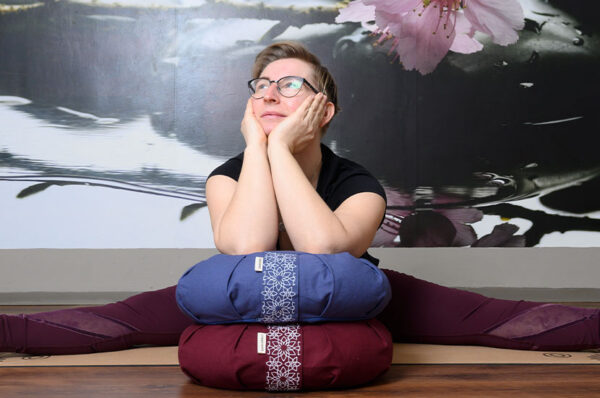
A yoga bolster is one of the most versatile tools for a holiday self-care ritual. It supports the spine in restorative poses, makes seated meditation more comfortable, and can be used under the knees in Savasana for deep relaxation. Paired with an organic cotton yoga blanket, it creates the kind of cozy, supported environment that restorative and yin yoga require.
Grounding tools for meditation
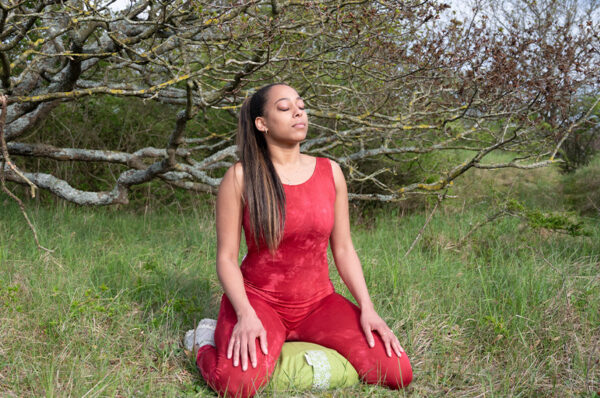
A dedicated meditation cushion makes a significant difference in sitting practice. Proper support for the hips and pelvis allows the spine to lengthen naturally, reducing the discomfort that often cuts meditation sessions short. During the Christmas season, when you may be sitting in unfamiliar places or on hard floors at family gatherings, having a portable, eco-friendly cushion you can bring with you keeps your practice consistent wherever you are.
When is the best time to practice self-care during the Christmas holidays?
The best time to practice Christmas self-care is first thing in the morning, before the day’s demands take over. A short morning ritual, even 10 to 15 minutes of movement, breathwork, or quiet reflection, sets a grounded tone that tends to hold through even the busiest holiday days. Evening is the second-best window, particularly for restorative or wind-down practices.
Morning works best for most yogis during the holidays because it is the one window that remains relatively predictable. Afternoons and evenings fill up quickly with social plans, cooking, and family commitments. Protecting even a small block of time before the household wakes up or before you check your phone creates a buffer of calm that is genuinely hard to replicate later in the day.
That said, the right time is ultimately the time you will actually use. If you are not a morning person, a brief lunchtime walk and breathing exercise or a 15-minute evening yin session before bed is far more valuable than a perfect morning routine you never follow through on. Sustainable Christmas wellness is about consistency and self-compassion, not rigidity.
One practical approach is to identify two or three fixed points in your day where self-care can slot in naturally, such as right after waking, during a natural midday pause, or as part of a wind-down routine before sleep. Treating these as non-negotiable appointments, the same way you would a gift exchange or a family dinner, makes it far easier to maintain your yogi self-care rituals throughout the entire holiday season.
Frequently Asked Questions
How do I maintain my yoga self-care routine when staying at someone else's home over the holidays?
Traveling or staying with family doesn’t have to derail your practice. Pack a lightweight travel yoga mat or a foldable meditation cushion, and identify a quiet corner or room you can use for even 10–15 minutes each morning before the household gets busy. Many restorative and yin poses require no props at all — folded blankets or firm pillows from the guest room work just as well in a pinch. The key is lowering the barrier to entry so your practice can adapt to the environment rather than depending on a perfect setup.
What if I only have 5–10 minutes a day during the Christmas rush — is that actually enough?
Absolutely — a short, intentional practice is significantly more beneficial than skipping it entirely. Five minutes of Nadi Shodhana breathwork, a single restorative pose like Legs-Up-the-Wall (Viparita Karani), or a brief body scan can meaningfully shift your nervous system out of a stress response. The goal during the holidays isn’t peak performance; it’s maintenance and grounding. Think of these micro-sessions as emotional first aid rather than a full wellness workout.
Are there specific yoga poses that are especially helpful for combating holiday fatigue and burnout?
Yes — poses that target the hips, lower back, and chest are particularly restorative during the holiday season. Child’s Pose (Balasana), Supported Bridge, Reclined Butterfly (Supta Baddha Konasana), and Legs-Up-the-Wall are all excellent choices because they decompress the spine, open the chest, and activate the parasympathetic nervous system with minimal effort. For emotional fatigue specifically, heart-opening poses like Supported Fish over a bolster can be deeply releasing. Hold each pose for 3–5 minutes to get the full restorative benefit.
How do I avoid feeling guilty for prioritizing self-care when there's so much to do for others during the holidays?
This is one of the most common mental blocks yogis face in December, and it’s worth reframing: self-care during the holidays isn’t selfish — it’s what makes you genuinely present and generous with others. A dysregulated, depleted version of you serves no one well. Start small to reduce the guilt threshold; even a 10-minute morning ritual is easy to justify. Over time, you’ll likely notice that the people around you benefit from your calmer, more grounded presence, which makes the case for your practice far easier to defend — to yourself and others.
What's the biggest mistake yogis make when trying to build a holiday self-care routine?
The most common mistake is setting an overly ambitious routine that mirrors a non-holiday schedule — then abandoning it entirely when it inevitably falls apart. December is not the time to add a 90-minute daily practice if you don’t already have one. Instead, scale down intentionally: decide in advance what your minimum viable practice looks like (e.g., 10 minutes of movement plus 5 minutes of journaling) and commit to that as your baseline. Protecting a modest, realistic routine is far more effective than cycling between overcommitment and guilt.
Can journaling really make a difference as part of a holiday wellness ritual, or is movement more important?
Both serve distinct and complementary purposes, so framing it as either/or undersells what journaling offers. Physical movement regulates the body and nervous system, while journaling processes the emotional and cognitive load that the holidays generate — unresolved family dynamics, grief, nostalgia, financial stress, and unmet expectations. Even five minutes of free-writing before bed can prevent that emotional weight from accumulating into anxiety or insomnia. If you’re short on time, try combining both: write three sentences in a gratitude journal immediately after your yoga or breathwork session to anchor the mental and physical benefits together.
How can I make my Christmas self-care space feel more intentional without spending a lot of money?
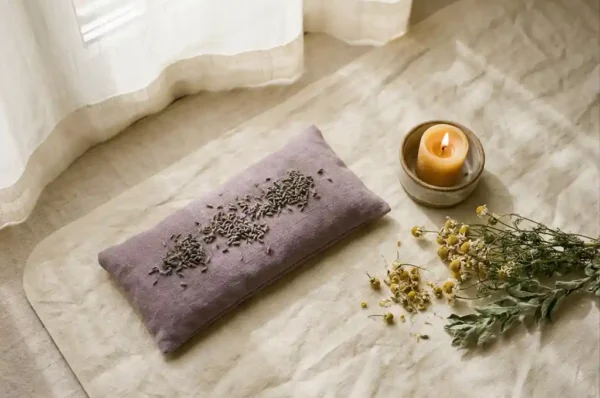
You don’t need to invest heavily to create a meaningful practice space. Simple, low-cost touches — a candle or essential oil diffuser, a folded blanket reserved specifically for your practice, soft lighting, and a consistent corner of a room — signal to your brain that it’s time to slow down. Consistency of location matters more than aesthetics; using the same spot each day builds a conditioned association between that space and a calm mental state. If you’re looking to invest in one quality item, a durable organic bolster or meditation cushion offers the most functional return for both seated and restorative practice.