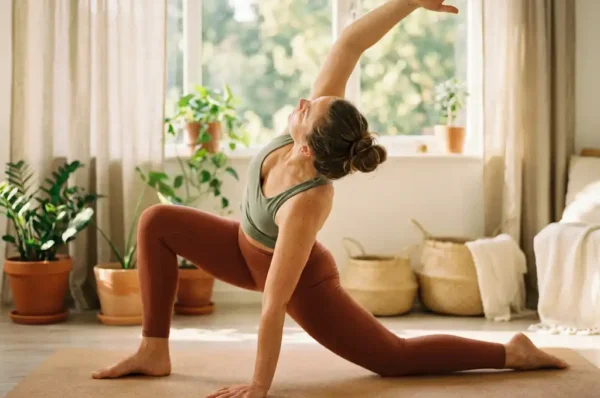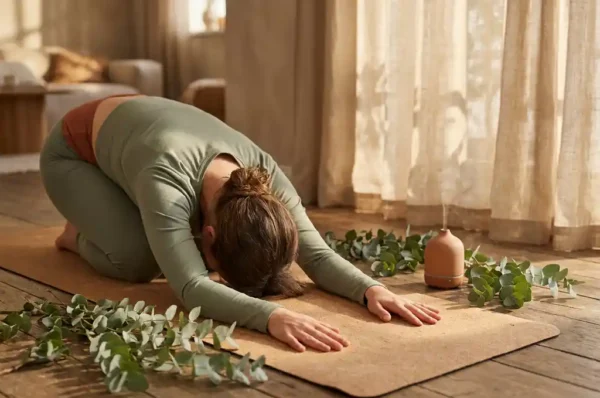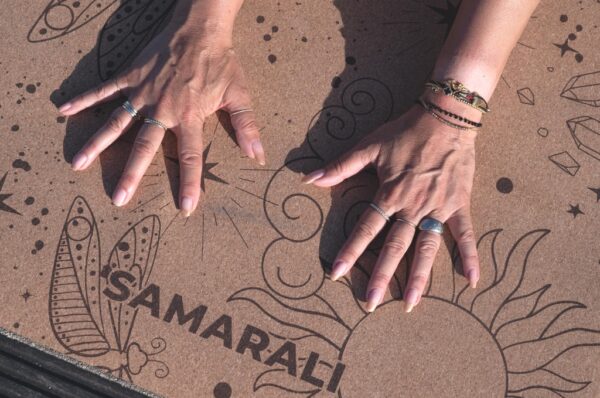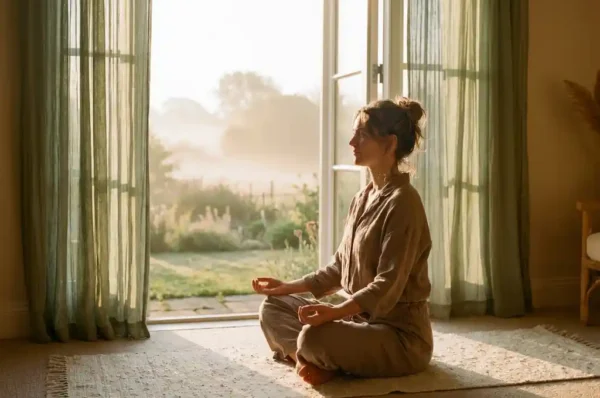



You don’t need much equipment to practice breathwork, but a few simple accessories can make a real difference to your comfort and focus. A supportive surface to sit or lie on, something to keep you warm, and a prop to ease tension in your body are the essentials most practitioners reach for. Below, we answer the most common questions about breathwork accessories so you can set up a practice that feels grounded and sustainable.
Do you need any equipment to practice breathwork?
No, breathwork does not require any equipment at all. Your breath is the only tool you truly need, and a bare floor or open space is enough to get started. That said, the right accessories can help you stay still, comfortable, and present for longer, which is especially valuable during extended sessions or guided practices.
When you are physically uncomfortable, your nervous system stays alert rather than settling into the relaxed, receptive state that breathwork is designed to cultivate. A supportive surface reduces physical distractions so your attention can stay with your breath rather than a stiff back or cold floor. Think of accessories not as requirements but as investments in the quality of your practice.
For beginners, even a folded blanket under the hips or a cushion behind the knees can transform a frustrating ten minutes into a genuinely restorative session. As your practice deepens, you may find that having dedicated props signals to your mind that it is time to slow down, reinforcing the ritual aspect of breathwork.
What props help you stay comfortable during breathwork sessions?
The props that help most during breathwork are a supportive mat or cushion to sit or lie on, a blanket for warmth, and a bolster or pillow to release tension in the lower back, knees, or neck. These three items address the most common physical discomforts that interrupt a breathwork session.
A mat or meditation cushion for your foundation
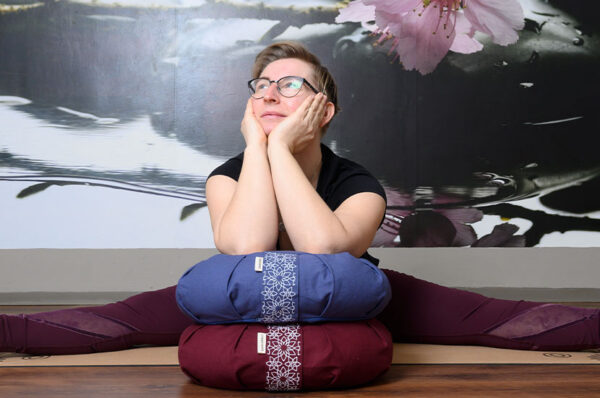
Whether you practice seated or reclined, your foundation matters. A meditation mat provides cushioning and grip, keeping you stable without requiring constant adjustment. If you prefer a seated position, a meditation cushion elevates the hips above the knees, which naturally lengthens the spine and makes deep diaphragmatic breathing easier and more comfortable.
A blanket for warmth and grounding
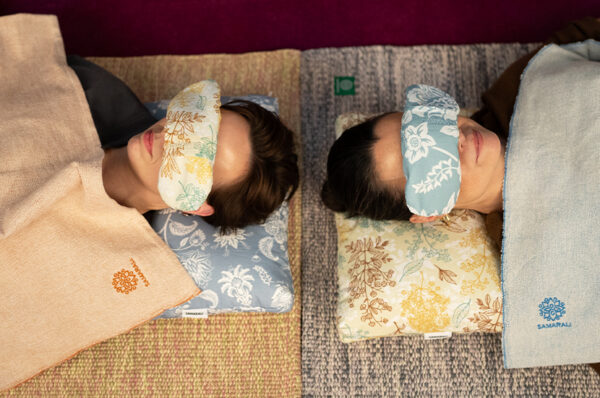
Body temperature often drops during breathwork as your nervous system shifts into a parasympathetic state. Keeping an organic cotton blanket nearby means you can cover yourself without breaking the flow of your session. A blanket also works well folded under the knees when lying down, reducing strain on the lower back during longer practices.
A bolster or neck pillow for release
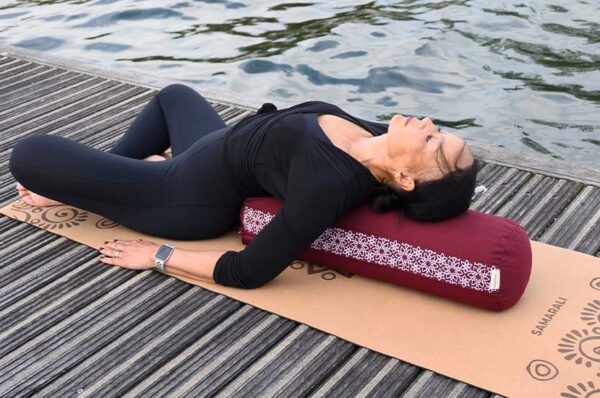
A bolster placed under the knees or along the spine opens the chest and supports the natural curve of the lower back, which is particularly helpful for breath-focused practices that involve chest expansion. A yoga neck pillow prevents the head from rolling to the side during reclined breathwork, keeping the airway aligned and reducing neck fatigue.
Are breathwork accessories different from regular yoga props?
Breathwork accessories are largely the same as yoga props. Mats, bolsters, blankets, and cushions serve both practices well, and most practitioners use the same set of props for both. The main difference is in how you use them: breathwork tends to favour reclined or still seated positions for extended periods, so softness and support take priority over grip or flexibility.
In a dynamic yoga class, a mat’s grip and durability matter most because you are moving through postures. In breathwork, you might hold the same position for fifteen to thirty minutes, which means pressure points become more noticeable over time. Props that offer generous cushioning and warmth are therefore more central to breathwork than they are to an active vinyasa session.
If you already own yoga props, you very likely have everything you need for breathwork. A bolster, a blanket, and a mat cover the vast majority of what practitioners use. The main reason to consider dedicated breathwork props is if your current set is too firm, too thin, or not quite comfortable enough for extended stillness.
What should you look for when choosing sustainable breathwork props?
When choosing sustainable breathwork props, look for natural materials such as organic cotton, natural rubber, or buckwheat filling, combined with transparent sourcing and ethical manufacturing. These materials are biodegradable, free from harmful chemicals, and tend to feel better against the skin during long, still sessions compared to synthetic alternatives.
Here are the key criteria to consider:
- Material transparency: The brand should clearly state what the product is made from and where. Vague terms like “eco-friendly” without specifics are a signal to dig deeper.
- Natural fillings: Bolsters and cushions filled with organic cotton or buckwheat hulls hold their shape, breathe well, and avoid the off-gassing associated with synthetic foam.
- Certifications: Look for GOTS (Global Organic Textile Standard) or OEKO-TEX labels, which verify that materials meet strict environmental and health standards.
- Durability: Sustainable props should last for years. Well-made natural materials often outlast synthetic equivalents, making them better value over time.
- Packaging: Minimal, plastic-free packaging is a good indicator of a brand’s overall commitment to reducing environmental impact.
At Samarali, we design our props specifically with these criteria in mind, because we believe that the things you use to care for your well-being should also care for the planet. Choosing sustainable breathwork accessories is not just an environmental decision; it is a way of extending the values of your practice into every part of your life. Ready to build a setup that truly supports your breathwork practice? Explore our meditation cushions, yoga bolster, organic cotton yoga blanket, and meditation mat — all crafted from natural materials to help you settle deeper and breathe more freely. Shop the Samarali meditation collection now and find the props that make your practice feel like home.
Frequently Asked Questions
How do I know if my current props are comfortable enough for breathwork, or if I need to upgrade?
A simple test is to hold your usual seated or reclined position for ten to fifteen minutes and notice where discomfort appears first. If you find yourself shifting, tensing, or losing focus on your breath within that window, your props are likely too firm, too thin, or not supportive enough for extended stillness. Upgrading one item at a time — starting with your foundation, such as a mat or cushion — is usually the most cost-effective approach before investing in a full set.
Can I use regular household items instead of dedicated breathwork props?
Absolutely, especially when you are just starting out. A folded duvet or thick blanket works as a bolster, sofa cushions can substitute for a meditation cushion, and a rolled towel under the neck replaces a yoga neck pillow effectively. The main limitation of household substitutes is that they are not designed for sustained use — they may compress unevenly or shift during a session — so they are best treated as a starting point while you discover which props your practice genuinely benefits from.
What is the best setup for a beginner doing their first breathwork session at home?
For a first session, keep it simple: find a quiet spot, lay down on a carpeted floor or a folded blanket, place a pillow under your knees, and cover yourself with a light blanket to stay warm. This reclined position — known as Savasana or constructive rest — naturally opens the chest, supports the lower back, and requires no balance or effort, letting you focus entirely on your breath. Once you have completed a few sessions and identified where you feel tension or distraction, you can add props like a bolster or meditation cushion to refine your setup.
Does the type of breathwork technique I practice affect which props I should use?
Yes, different techniques lend themselves to different setups. Calming, slow-breath practices such as box breathing or 4-7-8 breathing are well suited to a reclined position supported by a bolster and neck pillow, since the goal is deep relaxation. More activating techniques like Wim Hof or holotropic breathwork are also typically done lying down, but may generate heat, making a lighter blanket or no blanket at all more comfortable. Seated pranayama practices, on the other hand, benefit most from a meditation cushion that keeps the spine upright and the diaphragm unrestricted.
How should I care for and clean my breathwork props to make them last longer?
Most natural-material props come with removable, machine-washable covers, which should be washed regularly — ideally every one to two weeks if you practice daily. The inner fillings of bolsters and cushions made from organic cotton or buckwheat hulls should be aired out in indirect sunlight periodically to prevent moisture build-up and keep them fresh. Avoid machine-washing buckwheat-filled props, as the hulls can clump and lose their shape; instead, spot-clean the cover and allow the insert to air thoroughly. Proper care not only extends the life of your props but also keeps your practice space hygienic and inviting.
Is it worth creating a dedicated breathwork space at home, or is any quiet corner enough?
Any quiet corner is genuinely enough to have an effective session, but a dedicated space — even a small one — can meaningfully deepen your practice over time. When your props are already laid out and the space is associated exclusively with breathwork or meditation, your nervous system begins to shift into a calmer state before you even start, reducing the mental effort required to settle. If a full dedicated room is not realistic, even a consistent corner with your mat, cushion, and blanket stored nearby creates a powerful environmental cue that supports habit formation.
Are there any props I should avoid using during breathwork, even if they seem comfortable?
Overly soft surfaces like thick memory foam mattresses or plush sofas can actually work against you in breathwork by encouraging drowsiness rather than relaxed alertness, especially during seated practices. Props that restrict the chest or abdomen — such as tight bolsters placed across the torso — can also interfere with the full diaphragmatic expansion that breathwork depends on. As a general rule, your props should support your body without swallowing it: you want to feel held and comfortable, but still physically present and able to breathe freely in all directions.