


Yoga nidra is genuinely good for recovery after illness. This guided meditation practice activates the parasympathetic nervous system, the branch responsible for rest and repair, giving your body the deep physiological conditions it needs to heal. The sections below cover how it works, when to start, how it differs from ordinary rest, and how long your sessions should be during recovery.
How does yoga nidra support the body’s healing process?
Yoga nidra supports healing by shifting the nervous system out of stress mode and into a state of deep rest where the body can direct its energy toward repair. During a session, heart rate slows, cortisol levels drop, and the parasympathetic nervous system takes over, creating the internal conditions most favorable for tissue repair, immune function, and cellular recovery.
When you are ill, your body is already working hard. Physical activity, mental effort, and even emotional stress all pull resources away from that healing work. Yoga nidra asks almost nothing of you physically, yet it produces a quality of rest that most people cannot access through ordinary sleep or lying down. You remain in a state of relaxed awareness, which allows the mind to release tension without losing the benefits of conscious guidance throughout the practice.
There is also a hormonal dimension worth understanding. Prolonged illness often keeps the body in a low-level stress response, which can slow recovery and leave you feeling depleted long after the acute phase has passed. Yoga nidra interrupts that cycle by consistently bringing the nervous system back to baseline. Practiced regularly, even for short sessions, it can help reduce the fatigue and mental fog that often linger after illness.
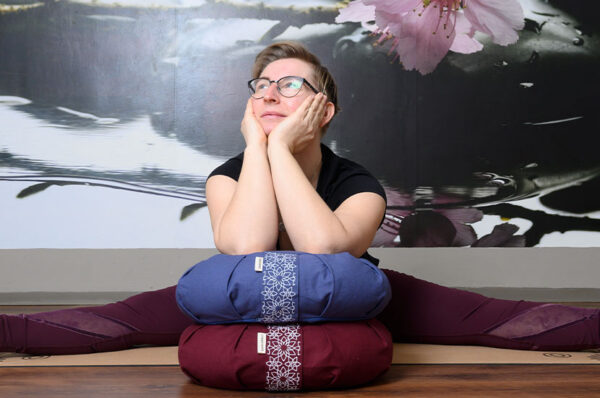
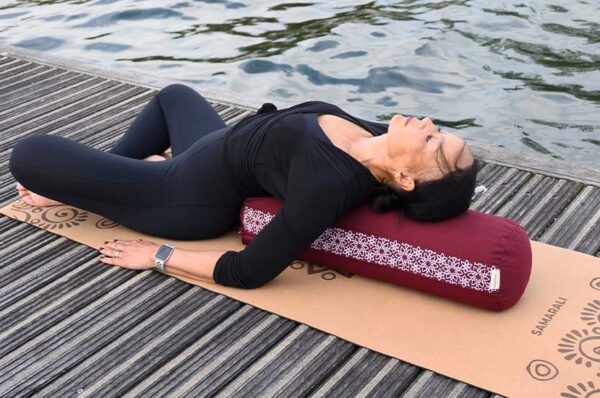
For anyone looking to build a supportive environment for this kind of practice, having the right props makes a real difference. A yoga bolster placed under the knees can relieve lower back pressure in the lying-down position, making it easier to stay still and comfortable for the full duration of a session.
When is it safe to start yoga nidra after being ill?
Yoga nidra is safe to begin almost immediately after falling ill, even during the acute phase, as long as you are comfortable lying still and can follow gentle audio guidance. Unlike physical yoga, it places no strain on the body. The main consideration is comfort, not readiness or strength.
If you have a fever, heavy congestion, or significant discomfort, you may simply find it hard to settle. In that case, waiting until the most intense symptoms ease makes the practice more effective rather than strictly safer. Once you can lie down without pain and follow spoken instructions without too much distraction, yoga nidra is appropriate.
During the post-illness recovery phase, when energy is returning but stamina is still low, yoga nidra becomes especially valuable. This is the window when many people push back into normal activity too quickly and end up prolonging their recovery. Replacing even one or two of those rushed re-entry attempts with a yoga nidra session can give the body the extra rest it actually needs.
There are very few contraindications. People with certain mental health conditions, particularly those involving dissociation, should consult a healthcare provider before practicing. For everyone else, the practice is gentle enough to begin whenever it feels comfortable.
What makes yoga nidra different from sleep or regular rest?
Yoga nidra is different from sleep because it maintains a thread of conscious awareness throughout, and different from regular rest because it systematically guides the nervous system into a specific brainwave state. Sleep is largely passive and unconscious. Regular rest still leaves the mind active and the stress response partially engaged. Yoga nidra is a deliberate, guided process that produces measurable physiological changes.
During yoga nidra, practitioners typically move through the hypnagogic state, the threshold between waking and sleeping, guided by a teacher’s voice or a recorded script. This state is associated with theta brainwave activity, which is linked to deep relaxation, emotional processing, and heightened receptivity. It is a state most people only pass through briefly on the way to sleep, but yoga nidra allows you to rest there intentionally for an extended period.
Why ordinary rest often falls short during recovery
When you rest on the sofa or lie in bed without sleeping, the mind tends to stay busy. Worries about being unwell, frustration at low energy, and general mental restlessness keep the nervous system partially activated. That partial activation means the body is not fully in repair mode, even though you feel like you are resting.
What yoga nidra adds that rest cannot
The structured guidance of yoga nidra gives the mind something specific and calming to follow, which gradually quiets mental activity without forcing sleep. The rotation of awareness through different body parts, the use of visualization, and the alternation between opposite sensations all work together to systematically release tension that ordinary rest leaves untouched. The result is a quality of restoration that feels noticeably different from simply lying down.
How long should a yoga nidra session be during recovery?
During recovery from illness, a yoga nidra session of 20 to 30 minutes is ideal for most people. This length is long enough to move through the deeper stages of the practice and access genuine physiological rest, but short enough not to exhaust someone whose energy reserves are limited. Shorter sessions of 10 to 15 minutes are also beneficial if that is all you can manage.
The key principle is consistency over duration. A 20-minute session practiced daily will support recovery more effectively than a single long session once a week. As your energy returns, you can gradually extend sessions to 35 or 45 minutes, which is the length many traditional yoga nidra practices run.
Timing within the day also matters. Practicing yoga nidra in the early afternoon, when post-illness fatigue often peaks, can restore enough energy to carry you through the rest of the day without disrupting nighttime sleep. Practicing just before sleep is also effective, particularly if illness has made it difficult to wind down or if pain and discomfort are interfering with rest.
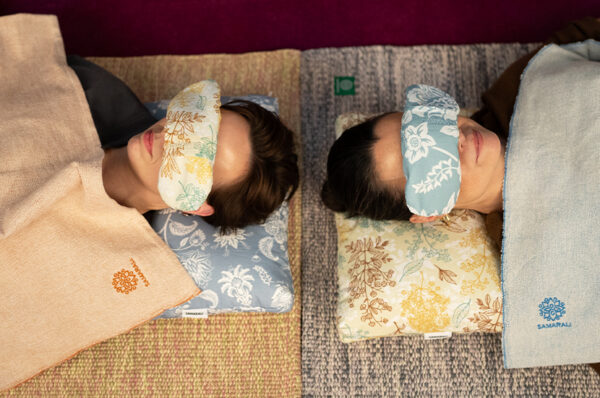
Setting up a comfortable, dedicated space for your practice can make it easier to commit to regular sessions. An organic cotton yoga blanket for warmth and a supportive surface beneath you are simple additions that help the body settle quickly, which is especially useful when energy is low and you want the practice to feel effortless from the moment you lie down.
Yoga nidra asks very little of you physically, which is precisely what makes it such a well-suited practice for recovery. You do not need to be strong, flexible, or well-rested to begin. You just need to be comfortable enough to lie still and listen. If you would like to create the ideal setting for your practice, Samarali offers everything you need to support deep rest and healing. From a yoga bolster to ease tension in the body, to a soft organic cotton yoga blanket for warmth, and a dedicated meditation mat to lie on, each piece is thoughtfully chosen to help you settle in and let go. Explore the full meditation collection at Samarali and give your recovery the comfort it deserves — shop now.
Frequently Asked Questions
Can I practice yoga nidra if I'm too tired to concentrate?
Yes — in fact, yoga nidra is designed for exactly that state. Unlike meditation practices that require focused mental effort, yoga nidra simply asks you to listen and follow along passively. Even if you drift in and out of awareness, or fall asleep entirely during the session, your nervous system still benefits from the guided relaxation cues.
Do I need any prior yoga or meditation experience to start yoga nidra during recovery?
No prior experience is needed at all. Yoga nidra is one of the most accessible meditation practices available precisely because it requires no physical movement, no breathwork technique, and no previous training. Simply find a comfortable lying-down position, press play on a guided recording, and follow the instructor’s voice — that is the entire practice.
What are the best free or paid resources for finding yoga nidra recordings suitable for illness recovery?
For beginners recovering from illness, look for recordings that are specifically labelled ‘restorative,’ ‘healing,’ or ‘deep relaxation’ yoga nidra, as these tend to be slower-paced and more soothing. Reliable free sources include Insight Timer and YouTube channels from certified yoga nidra teachers such as those trained in the iRest or Bihar School traditions. Paid apps like Calm or dedicated yoga nidra platforms often offer curated recovery-focused programmes with higher audio quality.
Is it possible to practice yoga nidra too much during recovery, and could it interfere with nighttime sleep?
Practicing yoga nidra once or twice daily is generally safe and unlikely to disrupt nighttime sleep, especially during active recovery when the body’s need for rest is elevated. The exception is practicing very late in the evening for extended periods (45+ minutes), which may occasionally make it harder to fall asleep for some people — in that case, shifting your last session to earlier in the afternoon resolves the issue. As your recovery progresses and energy normalises, naturally reducing session frequency to once daily is a sensible transition.
What should I do if I feel anxious or unsettled during a yoga nidra session rather than relaxed?
This is more common than many guides acknowledge, particularly during illness when the nervous system is already dysregulated. If you feel uncomfortable, the simplest fix is to open your eyes slightly, keep a soft gaze on the ceiling, and continue listening — this maintains a gentle anchor to the present moment without abandoning the session. If a particular instructor’s voice or script consistently feels unsettling, try a different recording, as tone, pacing, and style vary significantly between teachers and finding the right fit makes a substantial difference.
How do I know if yoga nidra is actually helping my recovery, and what signs should I look for?
The most reliable early signs are subtle but consistent: slightly improved sleep quality, a reduction in the heavy mental fog that often follows illness, and a general sense of feeling less depleted after rest periods. Over one to two weeks of regular practice, many people also notice that their energy returns more steadily rather than in unpredictable peaks and crashes. If you are tracking your recovery, note how you feel in the hour after a session compared to an equivalent period of ordinary rest — the contrast is often where the benefit becomes most tangible.
Can yoga nidra help with the emotional side of recovery, such as frustration or low mood from being unwell?
Yes, and this is one of its underappreciated benefits. The theta brainwave state accessed during yoga nidra is associated with emotional processing, which means the practice can gently help discharge the frustration, anxiety, and low mood that often accompany a difficult illness or a prolonged recovery. Many practitioners report feeling emotionally lighter after sessions even when their physical symptoms have not yet fully resolved. If emotional distress is significant, pairing yoga nidra with professional support remains important, but the practice serves as a meaningful complementary tool.