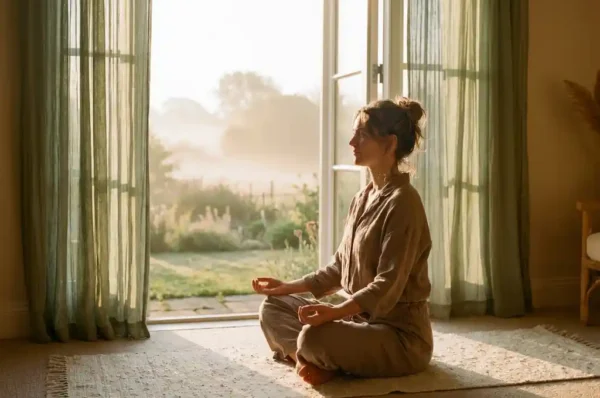



Yoga Nidra can be genuinely helpful for pain relief, particularly for chronic pain conditions where the nervous system plays a central role. By guiding the body into a deeply relaxed, hypnagogic state between waking and sleep, Yoga Nidra helps reduce the stress response and shift how the brain processes pain signals. Below, we unpack the key questions around how and when it works best.
How does Yoga Nidra affect the nervous system and pain perception?
Yoga Nidra works on pain by shifting the nervous system from a sympathetic (fight-or-flight) state into a parasympathetic (rest-and-digest) state. This transition lowers cortisol levels, reduces muscle tension, and alters the way the brain interprets pain signals. Because chronic pain is often amplified by stress and nervous system hyperactivity, this calming effect can meaningfully reduce pain intensity over time.
During a Yoga Nidra session, the brain moves through slower brainwave states, typically from beta into alpha and sometimes theta. These states are associated with deep relaxation and reduced emotional reactivity, which matters for pain because the emotional and sensory components of pain are processed in overlapping brain regions. When emotional distress decreases, the perceived intensity of pain often decreases alongside it.
There is also a body scan element built into most Yoga Nidra practices, where attention is rotated systematically through different parts of the body. This technique encourages a non-reactive awareness of physical sensations, which can help practitioners develop a healthier relationship with discomfort rather than bracing against it. Over time, this rewires habitual tension patterns that often worsen pain.
What types of pain can Yoga Nidra help with?
Yoga Nidra is most effective for chronic pain conditions where the nervous system, stress, and emotional factors are significant contributors. This includes lower back pain, fibromyalgia, tension headaches, joint pain, and pain associated with anxiety or trauma. It is a supportive tool rather than a cure, and it works best alongside other medical or therapeutic approaches.
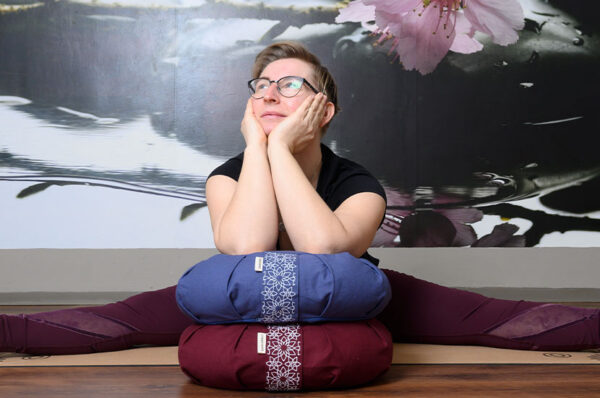
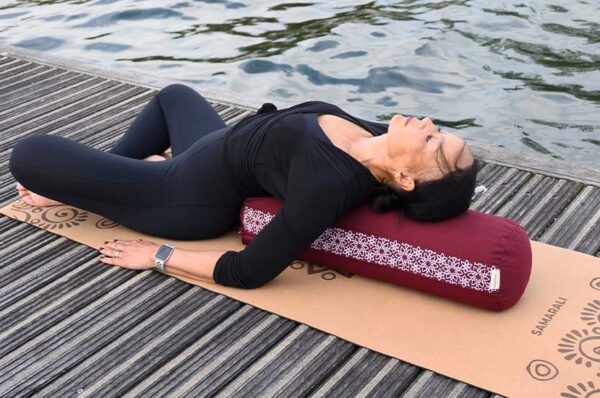
For people dealing with musculoskeletal pain, such as back or neck discomfort from prolonged sitting or physical tension, the deep relaxation Yoga Nidra induces helps release the chronic muscle guarding that often keeps pain cycles going. Pairing this practice with supportive props like a yoga bolster can make lying in a comfortable, supported position much easier, especially if pain makes it difficult to stay still.
For those with stress-related or psychosomatic pain, Yoga Nidra may be particularly powerful. When the root of pain is tied to unprocessed emotions, anxiety, or nervous system dysregulation, the practice creates the conditions for genuine release. It is not a replacement for professional mental health support, but it is a meaningful complement to it.
Acute pain from injury or post-surgical recovery is a different matter. Yoga Nidra may still offer comfort and support healing by promoting rest, but it should always be used in consultation with a healthcare provider in these cases.
How often should you practice Yoga Nidra for pain relief?
For pain relief, practicing Yoga Nidra at least three to four times per week is generally recommended to build a noticeable effect. Daily practice is ideal, especially in the early stages. A single session typically lasts between 20 and 45 minutes, and even shorter 15-minute sessions can provide meaningful relief when practiced consistently over several weeks.
Consistency matters more than duration. The nervous system benefits of Yoga Nidra are cumulative, meaning the more regularly you practice, the better your nervous system becomes at returning to a calm baseline. Think of it like building a new default setting for your stress response.
Many practitioners find it helpful to practice at the same time each day, either in the morning to set a calm tone or in the evening to release the tension accumulated throughout the day. If pain disrupts sleep, practicing Yoga Nidra just before bed can be especially useful, as the deeply relaxed state it induces often transitions naturally into restful sleep.
If you are new to the practice, starting with guided recordings is a great way to build the habit without needing to remember the sequence yourself. Over time, you may find you need less external guidance as the practice becomes more intuitive. Exploring our meditation collection can also help you find the right environment and props to support a consistent routine.
Is Yoga Nidra better than other relaxation techniques for pain?
Yoga Nidra is not universally better than other relaxation techniques, but it has some distinct advantages for pain management. Its structured rotation of awareness through the body and its ability to reach very deep states of relaxation make it particularly effective for people whose pain is connected to nervous system dysregulation, chronic stress, or emotional holding patterns. For these individuals, it often outperforms simple breathing exercises or general meditation.
Compared to progressive muscle relaxation, Yoga Nidra is more passive, which makes it accessible for people who cannot actively tense and release muscles due to pain or mobility limitations. Compared to mindfulness meditation, it requires less effort to stay focused, since the guided nature of the practice carries the practitioner through the session.
Body scan meditation and Yoga Nidra share similarities, but Yoga Nidra goes further by incorporating visualisation, intention setting (known as sankalpa), and the deliberate movement through different states of consciousness. This layered approach tends to produce a more profound relaxation response for many people.
That said, the best relaxation technique is the one you will actually do regularly. Some people find breathwork more accessible, while others respond better to movement-based practices like gentle yoga. Yoga Nidra works beautifully as part of a broader wellness toolkit rather than as a standalone solution, and combining it with supportive meditation cushions and a comfortable practice space can make the habit much easier to sustain.
Frequently Asked Questions
Can I practice Yoga Nidra if I'm in severe or acute pain and can't lie still?
Yes, Yoga Nidra can be adapted for people who struggle to lie flat due to pain. You can practice in a reclined chair, propped up with pillows, or even in a semi-seated position — the key is finding a posture where your body feels supported and you can remain as still as possible. Using props like a yoga bolster under your knees or a folded blanket under your head can significantly reduce pressure on painful areas and make the practice more accessible.
How long does it take to notice pain relief results from Yoga Nidra?
Most people begin to notice a meaningful reduction in pain intensity and stress after two to four weeks of consistent practice, typically three or more sessions per week. Some practitioners report feeling calmer and experiencing less pain tension even after their very first session, though these effects deepen considerably over time. Think of the early sessions as laying the groundwork — the nervous system changes that drive lasting pain relief are cumulative and build gradually with regular practice.
What's the best way to get started with Yoga Nidra for pain relief if I've never tried it before?
The easiest entry point is a guided Yoga Nidra recording, ideally one specifically designed for relaxation or pain relief, which you can find on apps like Insight Timer, YouTube, or through dedicated yoga platforms. Start with a shorter session of 20–25 minutes to build the habit without overwhelm, and set up a comfortable, supported lying position before you begin. Consistency from day one matters more than perfection, so focus on showing up regularly rather than doing it ‘correctly’ — the practice is designed to be effortless.
Are there any situations where Yoga Nidra might not be appropriate for pain management?
Yoga Nidra is generally very safe, but there are a few situations where caution is warranted. People with certain trauma histories may find the deeply relaxed, inward-focused state activating rather than calming, particularly if body awareness triggers distressing memories — in these cases, working with a trauma-informed instructor is strongly recommended. It should also never replace medical diagnosis or treatment for pain, especially if your pain is new, worsening, or unexplained, as these symptoms always warrant professional medical evaluation first.
Can Yoga Nidra help with pain-related sleep problems?
Absolutely — this is one of its most well-documented benefits. Because Yoga Nidra guides the brain into alpha and theta brainwave states that closely resemble the onset of sleep, practicing it before bed can make it significantly easier to fall and stay asleep, even when pain is present. Over time, better sleep itself becomes a powerful pain management tool, as the body performs much of its repair and nervous system regulation during deep rest.
Should I combine Yoga Nidra with other pain management strategies, or is it effective on its own?
Yoga Nidra works best as part of a broader, integrative approach to pain management rather than as a standalone solution. It pairs particularly well with gentle movement practices like restorative yoga or walking, breathwork, professional physiotherapy or medical care, and psychological support such as cognitive behavioural therapy or counselling for chronic pain. Think of it as a powerful layer within your pain management toolkit — one that addresses the nervous system and emotional dimensions of pain that other approaches may not fully reach.
Is there a difference between Yoga Nidra recordings designed specifically for pain relief and general ones?
Yes, there can be a meaningful difference. Recordings designed for pain relief often include specific language around softening, releasing tension, and cultivating a non-reactive awareness of sensation, which is particularly helpful for retraining how the brain responds to discomfort. General Yoga Nidra recordings are still beneficial, but if pain management is your primary goal, look for sessions led by instructors with a background in therapeutic yoga, somatic healing, or chronic pain support, as their guidance will be more precisely tailored to your needs.
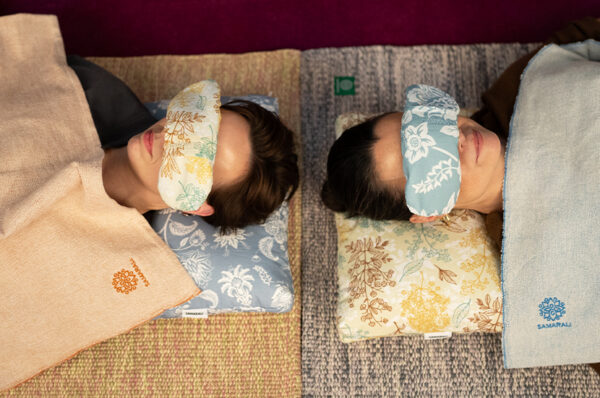
Ready to build a Yoga Nidra practice that truly supports your body? At Samarali, we offer a carefully curated range of props designed to make every session as comfortable and restorative as possible. Whether you need a yoga bolster to support your body during long, still sessions, a meditation mat to create a dedicated practice space, or a organic cotton yoga blanket to stay warm and grounded as you relax deeply, you will find everything you need in our meditation collection. Give your practice the foundation it deserves — shop our meditation sets now.