


A daily Hatha Yoga practice offers a wide range of physical, mental, and emotional benefits that build meaningfully over time. It improves flexibility, strength, posture, and breathing while also reducing stress and sharpening mental focus. Whether you are brand new to yoga or returning to a regular routine, Hatha is one of the most accessible and well-rounded styles to practice consistently. Below, we answer the most common questions about what a daily Hatha Yoga practice actually does for you.
How does a daily Hatha Yoga practice change your body over time?
A daily Hatha Yoga practice gradually improves flexibility, muscular strength, joint mobility, and postural alignment. These changes happen incrementally as your body adapts to regular movement, held poses, and conscious breathing. Most practitioners notice meaningful physical shifts within four to eight weeks of consistent daily practice, with deeper changes continuing to develop over months.
Hatha Yoga works by combining static postures (asanas) with breath control (pranayama), placing steady, sustained demand on muscles and connective tissues. Over time, this lengthens tight muscles, stabilises joints, and builds functional core strength. The slow, deliberate pace of Hatha is particularly effective for improving posture because it trains you to hold proper alignment rather than rushing through movements.
Beyond aesthetics, daily practice also supports better spinal health. Many people who sit for long hours at work find that consistent Hatha Yoga reduces tension in the lower back, neck, and shoulders by counteracting the compression and rounding that comes from prolonged sitting. Breathing exercises integrated into Hatha practice also expand lung capacity and improve oxygen efficiency over time.
Having the right support for your practice makes a real difference. A quality yoga mat provides the grip and cushioning your joints need to hold poses safely day after day.
What mental health benefits does Hatha Yoga offer?
Hatha Yoga supports mental health by reducing stress, lowering anxiety, improving sleep quality, and cultivating a stronger sense of emotional balance. The combination of slow movement, breath awareness, and present-moment focus activates the parasympathetic nervous system, which is the body’s natural rest-and-recovery state, directly counteracting the effects of chronic stress.
One of the most immediate mental benefits is a reduction in cortisol, the primary stress hormone. When you hold a pose and synchronise it with deep, controlled breathing, you send calming signals to the nervous system. Over time, this response becomes easier to access, meaning practitioners often find they are less reactive to everyday stressors off the mat as well.
Hatha Yoga also builds mental discipline and focus. Holding poses requires concentration, patience, and the ability to sit with discomfort without reacting impulsively. These qualities translate directly into daily life, supporting better decision-making, emotional regulation, and resilience. Many practitioners describe a growing sense of mental clarity and groundedness that deepens the longer they maintain a daily routine.
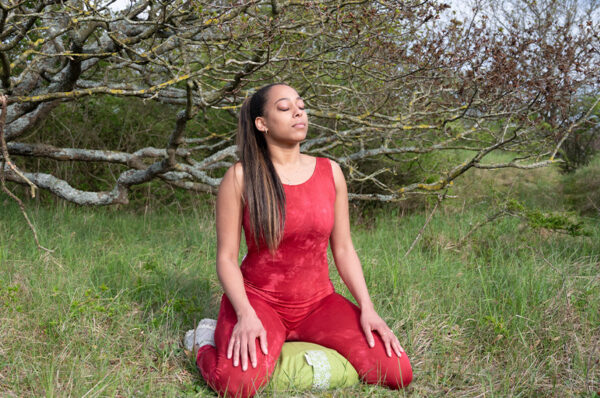
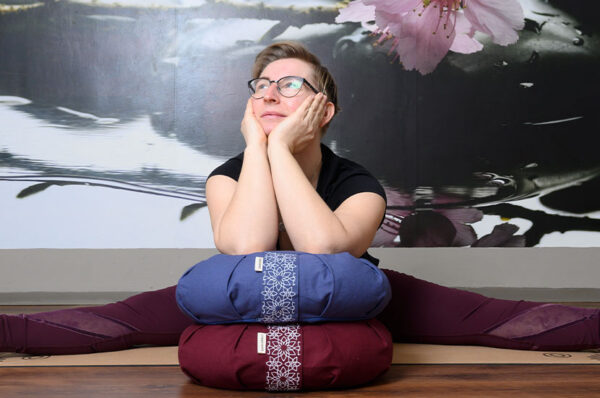
For those who want to extend the calming effects of their practice into meditation, pairing Hatha with seated breathwork is a natural next step. Comfortable meditation cushions can make that transition much easier on the body.
How is Hatha Yoga different from other yoga styles?
Hatha Yoga is different from other yoga styles primarily in its pace and focus. It moves slowly, holds postures for longer periods, and places equal emphasis on breath and alignment rather than flow or intensity. This makes it more accessible and foundational than styles like Vinyasa, Ashtanga, or Bikram, which prioritise movement speed, sequence structure, or heat.
In practical terms, a Hatha class typically holds each pose for several breaths before transitioning, giving students time to settle into proper alignment and notice how the body feels. Compare this to Vinyasa, where poses link together in a continuous, rhythmic flow, or Ashtanga, which follows a fixed sequence at a demanding pace. Hatha strips things back to the essentials: posture, breath, and stillness.
This slower approach is not a sign that Hatha is easier. Many poses in Hatha practice are physically challenging, and holding them with correct alignment for extended periods builds genuine strength and body awareness. What Hatha offers that faster styles sometimes do not is the space to develop a deep understanding of each posture before moving on.
For beginners, Hatha is often the recommended entry point precisely because it teaches the foundational poses and breathing techniques that underpin almost every other yoga style. It is also an excellent choice for experienced practitioners who want a more meditative, introspective practice alongside more vigorous training.
How long should a daily Hatha Yoga session be to see benefits?
A daily Hatha Yoga session of 20 to 45 minutes is enough to produce noticeable benefits for most people. Shorter sessions of 15 to 20 minutes are sufficient for stress relief and maintaining flexibility, while sessions of 30 to 45 minutes allow enough time to work through a more complete sequence that addresses strength, mobility, and breathwork together.
The most important factor is consistency rather than duration. A 20-minute practice every single day will deliver more lasting results than a 90-minute session once or twice a week. The body and nervous system respond to regular, repeated input, and daily practice builds the kind of cumulative adaptation that creates real change over time.
That said, session length can and should vary depending on your energy levels and schedule. On busy days, even 10 to 15 minutes of focused Hatha practice, including a few key poses and conscious breathing, is far more valuable than skipping entirely. On days when you have more time and energy, extending to 60 minutes allows for a fuller experience that includes longer holds, deeper stretches, and a proper relaxation phase at the end.
If you are just starting out, beginning with 20 to 30 minute sessions and building gradually is a sensible approach. As your body adapts and your familiarity with the poses grows, you will naturally find yourself wanting to spend more time on the mat. The key is to make the practice sustainable and enjoyable so that showing up daily feels like something you want to do rather than something you have to do.
Ready to support your daily Hatha Yoga practice with the right equipment? At Samarali, you will find everything you need to show up fully — from a natural rubber yoga mat that delivers superior grip and joint cushioning to a yoga bolster for deeper, more restorative holds. If you are looking to deepen the meditative side of your practice, explore our meditation sets designed to help you settle in with ease. Shop the yoga collection and build a practice space that truly supports you.
Frequently Asked Questions
Can I practice Hatha Yoga every day if I'm a complete beginner?
Yes, Hatha Yoga is one of the safest styles to practice daily as a beginner precisely because of its slow pace and emphasis on alignment. Start with shorter sessions of 15 to 20 minutes, focus on learning the foundational poses correctly, and listen to your body’s signals. If you experience muscle soreness in the early weeks, gentle sessions that prioritise stretching and breathing over strength-demanding poses are a perfectly valid way to keep showing up without overdoing it.
What is the best time of day to practice Hatha Yoga?
The best time is whichever time you can commit to consistently, but morning and evening practice each offer distinct advantages. A morning session helps set a calm, focused tone for the day and is excellent for energising the body after sleep. An evening session, on the other hand, is particularly effective for releasing the physical and mental tension accumulated throughout the day and can significantly improve sleep quality. Experiment with both and let your lifestyle and how your body responds guide your decision.
Do I need any equipment beyond a yoga mat to get started with daily Hatha Yoga?
A good-quality yoga mat is the one essential piece of equipment, as it provides the grip and joint cushioning needed to hold poses safely over time. Beyond that, a yoga block and a strap are highly recommended additions, especially for beginners, as they help you maintain proper alignment in poses your flexibility has not yet fully accommodated. Comfortable, non-restrictive clothing and a quiet, dedicated space round out everything you need to build a sustainable home practice.
What should I do if I hit a plateau and stop noticing progress?
Plateaus are a natural part of any consistent practice and usually signal that your body has adapted to its current routine. The most effective way to move through them is to introduce variety, such as adding new poses, extending your hold times, incorporating more advanced pranayama techniques, or focusing on a specific area like hip openers or backbends for a dedicated period. Working with a qualified instructor, even occasionally, can also reveal alignment habits or limitations you may not be aware of on your own.
Is Hatha Yoga suitable for people with injuries or chronic pain conditions?
Hatha Yoga can be highly beneficial for many people managing injuries or chronic pain, but it must be approached carefully and ideally with guidance from both a healthcare professional and an experienced yoga teacher. The slow, controlled nature of Hatha makes it easier to modify poses and avoid aggravating vulnerable areas compared to faster-paced styles. Always communicate your condition clearly before joining a class, and prioritise restorative variations of poses over pushing into discomfort, particularly in the early stages of recovery.
How do I stay motivated to maintain a daily Hatha Yoga practice long term?
Long-term motivation tends to come from building a practice that feels personally meaningful rather than obligatory. Setting a clear intention for why you practice, tracking small milestones like holding a pose longer or breathing more deeply, and varying your sequences to keep sessions fresh all help sustain engagement over time. Many practitioners also find that joining a community, whether a local studio, an online group, or even a practice-accountability partner, provides the social reinforcement that keeps the habit strong through inevitable low-motivation periods.
Can Hatha Yoga replace other forms of exercise, or should it be combined with them?
Hatha Yoga can absolutely serve as a complete standalone practice for many people, particularly those whose primary goals are flexibility, stress reduction, postural health, and functional strength. However, if cardiovascular fitness or significant muscle hypertrophy are also priorities, combining Hatha with aerobic exercise or resistance training will produce more well-rounded results. The good news is that a daily Hatha practice complements virtually every other form of exercise by improving mobility, reducing injury risk, and supporting faster recovery.