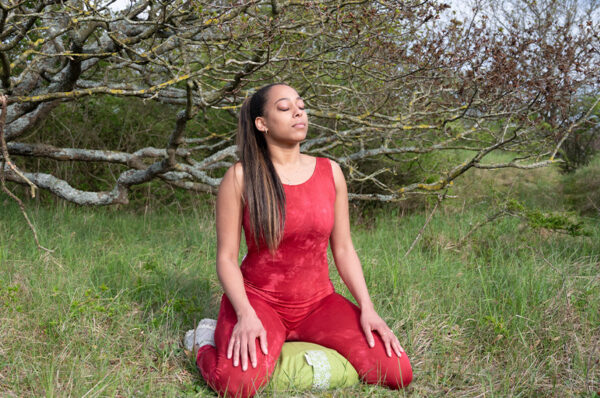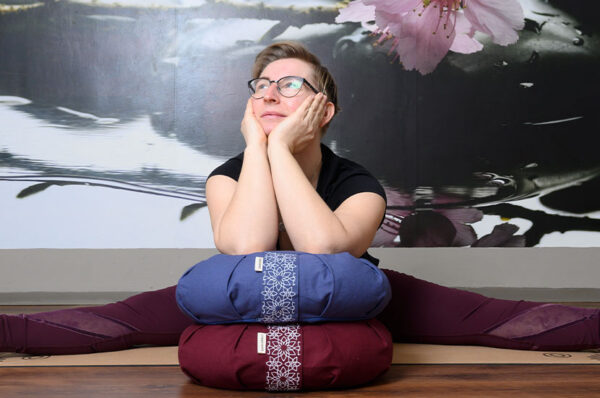



To start with Hatha Yoga, find a beginner-friendly class or guided online session, get a comfortable yoga mat, and show up with an open mind. Hatha is one of the most accessible yoga styles because it focuses on foundational postures and breathwork at a gentle, steady pace, making it ideal for complete beginners. Below, we cover exactly what to prepare, which poses to learn first, how often to practice, and whether a class or home practice suits you best.
What do you need before your first Hatha Yoga class?
Before your first Hatha Yoga class, you need a good yoga mat, comfortable and stretchy clothing, and a willingness to move slowly and mindfully. Beyond the basics, a few simple props can make your early sessions significantly more comfortable and help you build correct alignment from the start.
Here is what we recommend having ready:
- A quality yoga mat: This is your most essential piece of equipment. Look for a mat with good grip and enough cushioning to protect your joints. A natural rubber yoga mat is a great eco-conscious choice that provides both stability and comfort during standing and floor poses.
- Comfortable clothing: Wear fitted but flexible clothes that allow a full range of motion without bunching or restricting movement.
- A yoga blanket or bolster: Hatha Yoga often includes seated and restorative poses where extra support is genuinely helpful. A folded blanket under your hips in seated poses can make a real difference to your comfort and alignment.
- An empty or light stomach: Practice at least two hours after a full meal. Hatha involves twists and forward folds that feel much better when your digestive system is not under pressure.
- Water: Hatha is not typically a high-sweat practice, but staying hydrated is always wise.
You do not need expensive gear or a perfectly equipped studio space. Starting simple and building your kit gradually as your practice grows is completely fine.
What are the basic Hatha Yoga poses every beginner should know?
The basic Hatha Yoga poses every beginner should know include Mountain Pose, Child’s Pose, Downward-Facing Dog, Warrior I, and Cat-Cow. These foundational postures appear repeatedly across Hatha sequences and teach the core principles of alignment, breath awareness, and body engagement that underpin the entire practice.
Here is a closer look at each one and why it matters:
- Mountain Pose (Tadasana): This standing pose looks simple but teaches you how to ground through your feet, engage your core, and lengthen your spine. It is the blueprint for every other standing posture.
- Child’s Pose (Balasana): A resting pose that gently stretches the hips, thighs, and lower back. You will return to this position often as a reset between more demanding poses.
- Downward-Facing Dog (Adho Mukha Svanasana): One of the most recognised yoga shapes, this pose builds shoulder and hamstring flexibility while strengthens the arms and core. It also teaches you how to distribute weight evenly through your hands.
- Warrior I (Virabhadrasana I): A powerful standing pose that builds leg strength, opens the hips, and develops focus and stability. It introduces the concept of opposing actions in the body, grounding down while reaching up.
- Cat-Cow (Marjaryasana-Bitilasana): This gentle flowing movement between two positions warms up the spine, coordinates breath with movement, and is deeply accessible for all bodies.
Mastering these five poses gives you a solid foundation. Most beginner Hatha classes are built around variations and combinations of exactly these shapes, so learning them well pays off quickly.
How often should a beginner practice Hatha Yoga?
A beginner should practice Hatha Yoga two to three times per week to build strength, flexibility, and familiarity with the poses without overloading the body. This frequency gives your muscles and connective tissue enough time to recover between sessions while still creating the consistency needed to make real progress.
In the early weeks, sessions of 30 to 45 minutes are completely sufficient. You do not need to commit to 90-minute classes right away. Short, regular practices are far more effective for building a lasting habit than occasional long sessions.
As you grow more comfortable, you can increase your practice to four or five times per week if you wish. Many experienced practitioners practice daily, but they also vary the intensity, alternating more active sessions with gentler, restorative ones. Listening to your body is the most reliable guide. If you feel sore or fatigued, rest. If you feel energised and grounded after practice, that is a sign the frequency is working for you.
Consistency matters far more than duration or intensity at the beginner stage. Even a 20-minute session on a busy day keeps the momentum going and reinforces the mind-body connection that Hatha Yoga is designed to cultivate.
Should you learn Hatha Yoga in a class or at home?
For most beginners, starting Hatha Yoga in a class, either in-person or live online, is the better choice because a qualified teacher can correct your alignment in real time, which prevents injury and builds good habits from the start. Home practice is a valuable complement but works best once you have a basic understanding of the foundational poses.
That said, both formats have genuine strengths, and many people combine them effectively.
Learning in a class
In-person classes give you direct feedback from an instructor who can see your body and make adjustments. This is especially valuable in Hatha Yoga, where precision in alignment is central to the practice. Classes also provide structure, community, and accountability, which many beginners find motivating. If you are new to yoga entirely, even a few in-person sessions will give you a strong foundation to build on.
Learning at home
Home practice offers flexibility, privacy, and convenience, all of which matter when you are fitting yoga into a busy life. In 2026, the range of quality beginner Hatha Yoga content available online is genuinely excellent. Many practitioners use home sessions to reinforce what they learn in class or to maintain their practice between sessions. Setting up a dedicated space with your yoga mat and a few props helps signal to your mind and body that it is time to practice.
The most effective approach for most beginners is to start with a class to learn the basics safely, then gradually build a home practice alongside it. Over time, you will develop enough body awareness to practice independently with confidence.
Frequently Asked Questions
Is Hatha Yoga suitable for people with injuries or physical limitations?
Hatha Yoga is one of the most adaptable yoga styles and can often be modified to accommodate common injuries or physical limitations such as bad knees, tight hips, or lower back issues. Always inform your instructor before class so they can offer appropriate modifications or prop suggestions. That said, it is wise to consult your doctor or physiotherapist before starting any new movement practice if you have a significant injury or chronic condition.
How long will it take before I start noticing results from Hatha Yoga?
Most beginners notice improvements in flexibility, posture, and stress levels within two to four weeks of consistent practice at two to three sessions per week. Strength gains and deeper postural changes typically become more apparent after six to eight weeks. Progress in yoga is highly individual, so try not to compare your timeline to others — consistency and patience are the most reliable path to visible results.
What is the difference between Hatha Yoga and other popular styles like Vinyasa or Yin?
Hatha Yoga holds each pose for several breaths with a focus on alignment and breathwork, making it slower and more deliberate than Vinyasa, which links poses together in a continuous, flowing sequence. Yin Yoga, on the other hand, is even slower than Hatha and targets deep connective tissue by holding poses passively for three to five minutes. If you are brand new to yoga, Hatha is generally the best entry point because it gives you time to understand each posture before moving on.
Do I need to be flexible to start Hatha Yoga?
No — flexibility is a result of yoga practice, not a prerequisite for it. Many beginners arrive feeling stiff and make excellent progress precisely because Hatha’s gentle pace and emphasis on alignment meet the body where it is, rather than forcing it into shapes it is not ready for. Props like blocks, straps, and blankets are specifically designed to make poses accessible regardless of your current range of motion, so do not let a lack of flexibility hold you back from starting.
What are the most common mistakes beginners make in Hatha Yoga, and how can I avoid them?
The most common beginner mistakes include holding the breath, pushing too hard to achieve the u0022fullu0022 version of a pose, and neglecting the warm-up and cool-down portions of a session. In Hatha Yoga, the breath is the anchor of the practice — if you notice you are holding it, that is a clear signal to ease back and find a version of the pose that allows steady, relaxed breathing. Treating the practice as a competition, whether with others or with yourself, is the fastest route to frustration or injury, so prioritise how a pose feels over how it looks.
Can Hatha Yoga help with stress and anxiety, or is it primarily a physical practice?
Hatha Yoga is genuinely both a physical and a mental practice — the breathwork (pranayama) and mindful pacing built into every session actively engage the parasympathetic nervous system, which is responsible for the body’s rest-and-digest response. Regular practice has been shown to reduce cortisol levels, improve sleep quality, and lower symptoms of anxiety. Many practitioners find that even a single 30-minute Hatha session produces a noticeable calming effect, which is one of the reasons it is often recommended alongside other stress-management strategies.
How do I know if I am ready to move on from beginner Hatha classes to a more advanced level?
You are likely ready to progress when you can move through foundational poses like Mountain Pose, Warrior I, Downward-Facing Dog, and Child’s Pose with steady breath and confident alignment, without needing constant guidance on the basics. A good sign is also feeling physically and mentally comfortable in a 45 to 60-minute beginner session without significant fatigue. Rather than rushing to an advanced class, consider speaking with your instructor — most will tell you honestly when they think you are ready, and many studios offer intermediate-level Hatha classes as a natural next step.
Ready to take your Hatha Yoga practice off the screen and onto the mat? At Samarali, you will find everything you need to set up a practice space you actually want to return to. From a supportive natural rubber yoga mat to a cosy organic cotton yoga blanket for seated and restorative poses, each piece is designed with mindful movement in mind. Browse the full yoga mat collection or explore our range of yoga sets to find the combination that suits your practice best. Shop now and give your Hatha journey the foundation it deserves.