


For a Hatha yoga practice, you need a good-quality yoga mat, comfortable and breathable clothing, and at least one prop such as a yoga block or blanket. These basics cover most Hatha sequences, which combine physical postures, breathwork, and relaxation. As your practice deepens, a bolster, strap, and meditation cushion can make a meaningful difference. Below, we answer the most common questions about Hatha yoga accessories so you can build your kit with confidence.
Which props are essential for a Hatha Yoga practice?
The essential props for a Hatha yoga practice are a non-slip yoga mat, at least one yoga block, a yoga strap, and a blanket. These four items support proper alignment, help you ease into deeper stretches, and make seated or restorative postures far more comfortable. A bolster is also highly recommended for floor-based and restorative Hatha work.
Hatha yoga is a slower, alignment-focused style, which means props are not just helpful accessories but essential tools for practicing safely and effectively. A yoga block, for example, brings the floor closer to you in standing forward folds and supports your hips in seated poses. A strap extends your reach in hamstring stretches without forcing your body into a position it is not ready for.
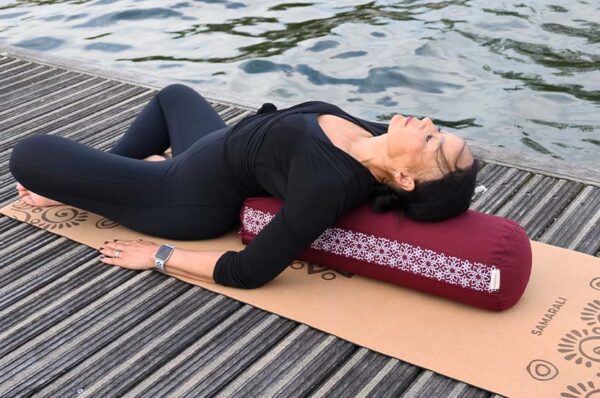
A yoga blanket serves multiple roles: folded under the hips in seated meditation, draped over the body during Savasana, or used as light padding under the knees. And a bolster, which is a firm, cylindrical cushion, provides deep support in chest-opening postures and restorative holds that are central to many Hatha sequences.
- Yoga mat: Your foundation for every practice
- Yoga blocks (x2): Support alignment in standing and seated poses
- Yoga strap: Extends reach and maintains safe alignment in stretches
- Yoga blanket: Versatile support for comfort and warmth
- Yoga bolster: Deep support for restorative and floor-based postures
Do beginners need different Hatha Yoga accessories than experienced practitioners?
Beginners and experienced practitioners generally use the same core Hatha yoga accessories, but beginners tend to rely on props more heavily. For someone new to the practice, blocks, straps, and blankets compensate for limited flexibility and body awareness. Experienced practitioners may use fewer props in dynamic sequences but often return to them for restorative work and refinement.
If you are just starting out, do not skip the blocks and strap in the hope that you will grow into them later. Props are not a sign of weakness or inexperience. In Hatha yoga, using a block to properly support your pelvis in a seated forward fold is far more beneficial than straining to reach the floor without one. Your body learns correct alignment faster when it is not fighting tension.
More advanced practitioners often invest in higher-quality versions of the same tools rather than entirely different ones. A seasoned yogi might prioritize a premium natural rubber mat for superior grip and cushioning, or a well-constructed yoga bolster for longer restorative holds. The difference is less about which accessories and more about the quality and intentionality behind each choice.
What should you look for in a sustainable Hatha Yoga mat?
A sustainable Hatha yoga mat should be made from natural or recycled materials such as natural rubber, organic cotton, or jute, and manufactured without harmful chemicals. For Hatha yoga specifically, look for a mat with good grip, adequate cushioning for seated and floor-based postures, and enough length to support your full body in Savasana.
Hatha yoga involves a lot of time on the floor, in seated poses, and in slow transitions, so your mat needs to feel comfortable underfoot and under your knees. A mat that is too thin will leave you feeling every hard surface during long holds. A mat that is too soft may compromise your stability in standing poses. A thickness of around four to six millimeters tends to work well for most Hatha practitioners.
From a sustainability perspective, natural rubber is one of the most popular choices because it is biodegradable, provides excellent grip, and is durable enough to last for years with proper care. Organic cotton yoga rugs are another excellent option, particularly for practitioners who prefer a more traditional feel. We offer both a natural rubber yoga mat and an organic cotton yoga rug for exactly this reason, crafted with environmental responsibility at the core.
Beyond materials, consider the manufacturing process. A genuinely sustainable mat comes from a brand that is transparent about its supply chain, avoids PVC and synthetic foam, and uses non-toxic dyes or natural finishes. Certifications such as OEKO-TEX or GOTS for cotton products are useful indicators of genuine environmental and health standards.
Are there Hatha Yoga accessories you can skip?
Yes, there are several Hatha yoga accessories you can skip, especially at the start. Yoga wheels, headstand benches, and specialized inversion equipment are not necessary for a well-rounded Hatha practice. Similarly, branded yoga towels, elaborate mat bags, and multiple block sizes are nice to have but not essential when you are building your practice.
The accessories most worth skipping early on are those designed for advanced inversions or acrobatic postures that rarely appear in traditional Hatha sequences. A yoga wheel can be useful for deep backbends, but most Hatha classes do not require one. Foam rollers and massage balls are more relevant to athletic recovery than to Hatha yoga specifically.
Where it makes sense to keep things simple, focus your investment on quality over quantity. One excellent mat, a reliable set of two blocks, a strap, and a blanket will serve you through years of practice. Add a bolster when you begin exploring longer restorative holds or seated meditation. Everything else can wait until a specific need arises in your practice rather than being purchased speculatively.
The goal with Hatha yoga accessories is to support your practice without cluttering your space or your budget. A minimal, well-chosen kit made from sustainable materials will always outperform a large collection of low-quality props.
Frequently Asked Questions
How do I know if my yoga mat needs replacing?
Your yoga mat needs replacing when it starts to flake, pill, or lose its grip — especially in high-contact areas like where your hands and feet land most often. For Hatha yoga, where you spend extended time in floor-based and seated postures, a worn mat can compromise both comfort and alignment. As a general rule, a good-quality natural rubber or organic cotton mat used three to five times per week should last two to four years with proper cleaning and storage.
Can I use household items instead of buying yoga props?
Yes, in a pinch you can substitute household items — a thick hardcover book or folded blanket can stand in for a yoga block, and a necktie or bed belt can work as a makeshift strap. However, these substitutes rarely match the stability, grip, or ergonomic design of purpose-built props, which matters a lot in alignment-focused Hatha practice. If you practice regularly, investing in at least one quality block and a strap is well worth it for both safety and long-term progress.
How should I clean and care for my Hatha yoga props to make them last longer?
For natural rubber mats, wipe down with a damp cloth and a mild, natural cleanser after each session, and allow them to air dry fully before rolling up — never leave them in direct sunlight, as UV exposure degrades rubber over time. Yoga blankets made from organic cotton can typically be machine washed on a gentle cycle, while bolsters and blocks should be spot cleaned and aired regularly. Proper storage — kept dry, unrolled or loosely rolled, and away from heat — significantly extends the lifespan of all your props.
What size yoga block is best for Hatha yoga, and does the material matter?
The standard yoga block size of 9u0022 x 6u0022 x 4u0022 works well for most Hatha practitioners, offering three height options to suit different poses and flexibility levels. Material does matter: foam blocks are lightweight and budget-friendly but compress under weight, while cork and wood blocks are firmer and more stable — ideal for the long, weight-bearing holds common in Hatha sequences. Cork is widely considered the best all-round choice for Hatha yoga, as it is firm, naturally antimicrobial, and sustainably sourced.
Is a meditation cushion the same as a yoga bolster, and do I need both?
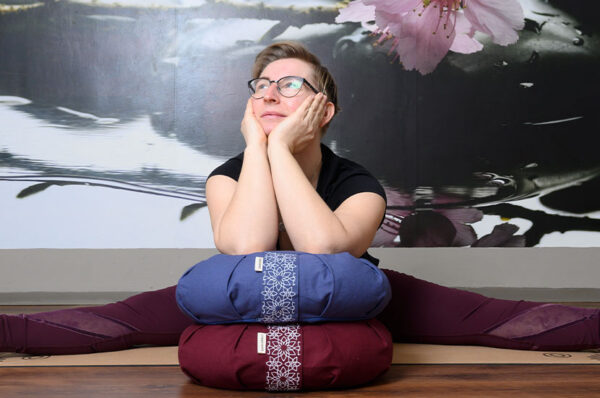
A meditation cushion (zafu) and a yoga bolster serve overlapping but distinct purposes. A zafu is smaller and designed specifically to elevate the hips during seated meditation, encouraging a natural spinal curve, while a bolster is larger, firmer, and built for supported yoga postures like reclined chest openers and restorative holds. For a well-rounded Hatha practice that includes both asana and seated meditation, having both is ideal — but if you are choosing one to start, a bolster is the more versatile option as it can double as seated support.
What is the most common mistake beginners make when buying Hatha yoga accessories?
The most common mistake is prioritizing quantity over quality — buying a full set of cheap, synthetic props all at once rather than investing in a few well-made, durable essentials. Low-quality mats tend to slip, tear, or off-gas chemical odors, and flimsy blocks can feel unstable during weight-bearing poses, which undermines both safety and confidence. A better approach is to start with one high-quality mat, two solid cork blocks, and a strap, then add props intentionally as your practice evolves and specific needs become clear.
Do I need special clothing for Hatha yoga, or will any workout wear do?
Hatha yoga does not require specialized clothing, but the right fit and fabric make a noticeable difference during practice. Because Hatha involves slow transitions, floor work, and extended holds, you want clothing that moves with your body without riding up or restricting breath — look for natural or blended fabrics with a small amount of stretch that feel comfortable both standing and seated. Avoid overly loose tops that fall forward in inversions or downward-facing poses, and opt for breathable, non-synthetic fabrics when possible to stay comfortable during longer Savasana holds.
Ready to build your Hatha yoga kit with props you can truly rely on? At Samarali, we have carefully curated a range of sustainably made yoga essentials to support every stage of your practice. Whether you are looking for a natural rubber yoga mat, a supportive yoga bolster for restorative holds, or a versatile organic cotton yoga blanket, you will find everything you need in our yoga collection. Shop now and invest in props that are as mindful as your practice.