


The best yoga mat for Hatha Yoga is one that offers reliable grip, comfortable cushioning, and enough stability to support slow, held poses. Because Hatha practice focuses on deliberate alignment and longer holds rather than fast-flowing sequences, the mat you choose plays a bigger role in your comfort and safety than you might expect. Below, we cover the key qualities to look for, from material and thickness to sustainability.
What makes a yoga mat suitable for Hatha Yoga?
A yoga mat is suitable for Hatha Yoga when it provides strong grip, adequate cushioning for held poses, and a stable, non-slip surface. Hatha practice is slower and more static than styles like Vinyasa or Ashtanga, which means your mat needs to support sustained pressure on joints and maintain traction even when you are not moving.
In Hatha practice, you spend extended time in postures like Warrior I, Triangle Pose, and seated forward folds. A mat that shifts or compresses unevenly under prolonged weight can disrupt your alignment and make it harder to focus inward. The right mat stays firmly in place, gives your hands and feet something to grip, and absorbs enough pressure to keep your knees and hips comfortable during floor work.
Size matters too. A standard mat of around 183 cm in length works for most practitioners, but taller yogis or those who practice with wide stances may benefit from an extended mat. For Hatha specifically, a slightly wider mat also helps when moving between seated and standing postures without feeling cramped.
Which yoga mat materials work best for Hatha practice?
Natural rubber and organic cotton are the two materials that work best for Hatha Yoga. Natural rubber delivers excellent grip and resilience, while organic cotton offers a softer, more grounded surface that suits slower, floor-based practice. Both materials outperform synthetic options in terms of traction and long-term durability.
Natural rubber
Natural rubber mats are a top choice for Hatha practitioners because they grip the floor firmly and provide a responsive, slightly cushioned surface. Rubber has natural elasticity, which means it bounces back to its original shape after repeated use. It also handles moisture well, maintaining grip even if you perspire during longer holds. Our natural rubber yoga mat is a strong example of this material done right, combining grip and durability in a way that supports mindful, alignment-focused practice.
Organic cotton
Organic cotton mats and rugs have a long tradition in yoga, particularly in styles like Hatha that draw from classical practice. Cotton provides a soft, textured surface that grips well when slightly damp and feels grounding underfoot. It is also breathable and easy to wash, which makes it practical for regular use. An organic cotton yoga rug works especially well layered over a rubber mat for extra cushioning and texture during floor sequences.
How thick should a Hatha Yoga mat be?
For Hatha Yoga, a mat thickness of 4 to 6 mm is generally ideal. This range provides enough cushioning to protect your joints during held poses and floor work, without being so thick that you lose the stability and ground connection needed for standing postures and balance work.
Thinner mats, around 1 to 3 mm, are popular for travel or dynamic styles where a close connection to the floor is a priority. For Hatha, however, that thinness can make seated poses and kneeling postures uncomfortable over time, especially on hard studio floors. On the other end, mats thicker than 6 mm can feel unstable in standing poses like Tree Pose or Warrior III, where a firm base is essential for balance.
If you practice primarily on a carpeted surface, you can lean toward the lower end of the thickness range since the carpet itself adds some cushioning. On hardwood or tile floors, a full 5 to 6 mm mat will make a noticeable difference in how long you can sustain floor-based postures comfortably.
Should you choose an eco-friendly mat for Hatha Yoga?
Yes, choosing an eco-friendly mat for Hatha Yoga is a worthwhile decision, both for your practice and for the planet. Sustainable materials like natural rubber, organic cotton, and jute perform exceptionally well for Hatha practice, and they do so without the off-gassing, synthetic coatings, or environmental impact associated with conventional PVC mats.
Hatha Yoga is rooted in a philosophy of awareness and intentional living. Practicing on a mat made from natural, responsibly sourced materials is a meaningful extension of those values. Eco-friendly mats also tend to age better, developing a more personalized grip over time rather than degrading into a slippery, peeling surface.
At Samarali, sustainability is at the core of everything we make. We design our yoga mats using materials that are kind to both the practitioner and the environment, so you can commit to your practice knowing your choices align with your values. For Hatha practitioners in 2026, an eco-conscious mat is not a compromise but truly one of the best options available.
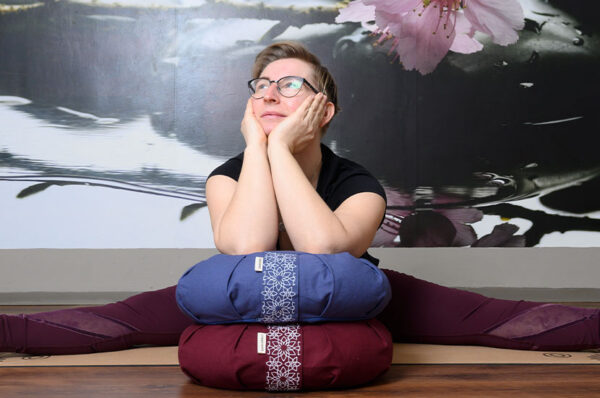
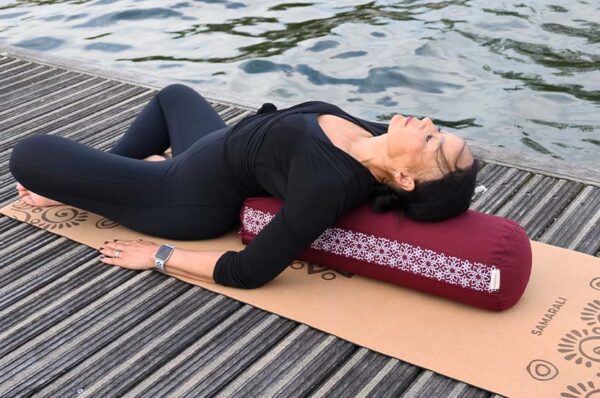
Ready to find the mat that supports your Hatha practice from the ground up? At Samarali, we offer a carefully curated range of sustainable yoga essentials, including our natural rubber yoga mat for superior grip and durability, the organic cotton yoga rug for a grounded, traditional feel, and a yoga bolster to support deeper holds and restorative postures. Every product is made with the same intention you bring to your practice — mindful, sustainable, and built to last. Shop the full yoga collection now and find everything you need to practice with purpose.
Frequently Asked Questions
Can I use the same mat for Hatha Yoga and other yoga styles?
Yes, a mat chosen for Hatha Yoga can work well across multiple styles, but keep in mind the trade-offs. A 4–6 mm natural rubber mat, for example, performs beautifully in Hatha but may feel slightly thick for fast-paced Vinyasa flows where a closer floor connection is preferred. If you practice multiple styles regularly, a 4 mm natural rubber mat tends to be the most versatile middle ground.
How do I know if my current mat is causing alignment problems during held poses?
Signs that your mat may be affecting your alignment include slipping hands or feet during poses like Downward Dog or Warrior I, uneven compression under your knees or hips during floor work, or a general sense of instability in balancing postures. If you find yourself constantly readjusting your footing or gripping harder than you should, it is likely your mat’s surface or thickness is not suited to the sustained demands of Hatha practice.
How do I care for and clean a natural rubber or organic cotton yoga mat?
For natural rubber mats, wipe the surface after each session with a damp cloth and a mild, natural cleaner, and allow it to air dry fully before rolling it up. Avoid prolonged exposure to direct sunlight, as UV rays can degrade rubber over time. Organic cotton mats and rugs can typically be machine washed on a gentle cycle with cold water and a gentle detergent, then laid flat or hung to dry, making them one of the easiest mat types to maintain for regular practice.
What is the best way for a complete beginner to get started with choosing a Hatha Yoga mat?
As a beginner, prioritize grip and cushioning above all else — a 5 mm natural rubber mat is an excellent starting point that covers both needs without overthinking the decision. Avoid very cheap PVC mats, which tend to be slippery when new and wear out quickly, leaving you needing a replacement sooner than expected. Investing in a quality mat from the start means you will practice more comfortably and safely as you build your foundational postures.
Is a yoga rug enough on its own for Hatha practice, or does it need to be layered over another mat?
A traditional organic cotton yoga rug can be used on its own on a non-slip floor surface, and many experienced practitioners prefer this for the grounded, textured feel it provides. However, for most modern studio or home environments, layering a cotton rug over a natural rubber mat is the recommended approach, as it combines the cushioning and floor grip of rubber with the texture and absorbency of cotton. This combination is especially beneficial during longer floor sequences and seated meditation holds.
How long should a good quality Hatha Yoga mat last, and when should I replace it?
A high-quality natural rubber or organic cotton mat used for regular Hatha practice should last anywhere from three to five years or more with proper care. Signs that it is time to replace your mat include visible thinning or flaking of the surface, a persistent loss of grip that does not improve after cleaning, or uneven compression that no longer supports your joints adequately. Eco-friendly mats made from natural materials tend to age more gracefully than synthetic alternatives, often developing better grip over time rather than deteriorating suddenly.
Does the size of the mat really matter for Hatha Yoga, or is a standard mat always sufficient?
Size matters more in Hatha practice than many people realize, because the style involves wide-stance standing postures, extended seated stretches, and transitional movements that can take you to the edges of a standard mat. Taller practitioners or those with a broader stance should strongly consider an extended mat (typically 200–215 cm in length) to avoid stepping off the mat during poses like Extended Triangle or Seated Wide-Legged Forward Fold. A slightly wider mat, around 66–70 cm rather than the standard 61 cm, can also add meaningful comfort during lateral postures and floor sequences.