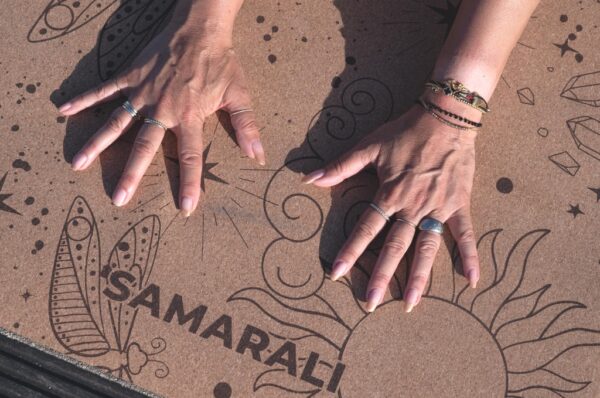



Knowing how to dispose of an old yoga mat responsibly is more complex than it might seem. Most mats cannot go in the curbside recycling bin, and the right pathway depends on your mat’s material and condition. Yoga mat disposal is a growing concern as the global yoga community expands, and this guide covers everything from identifying your mat’s material to recycling programs, upcycling ideas, and choosing a sustainable replacement.
What makes yoga mat disposal an environmental concern?
Most traditional yoga mats are made from synthetic materials that create significant environmental challenges when disposed of improperly. The most common issues:
- Extremely slow decomposition — PVC mats can take 500–1,000 years to break down in landfills, essentially becoming permanent waste
- Toxic chemical release — Plasticizers and stabilizers in synthetic mats leach harmful substances into soil and groundwater as they deteriorate
- Microplastic pollution — Mats that reach waterways break down into tiny particles that contaminate marine ecosystems and food chains
- Landfill accumulation — Non-biodegradable materials pile up without re-entering natural cycles, consuming valuable landfill space
- Manufacturing footprint — Producing synthetic mats requires petroleum-based resources and energy-intensive processes
With an estimated 300 million yoga practitioners worldwide, even a small fraction replacing their mat each year adds up to a substantial volume of discarded material. The circular economy offers an alternative: keeping materials in use for as long as possible, then recovering them at end of life rather than sending them to landfill. Each disposal method covered below is a practical step toward that model.
How can you tell if your yoga mat is recyclable?
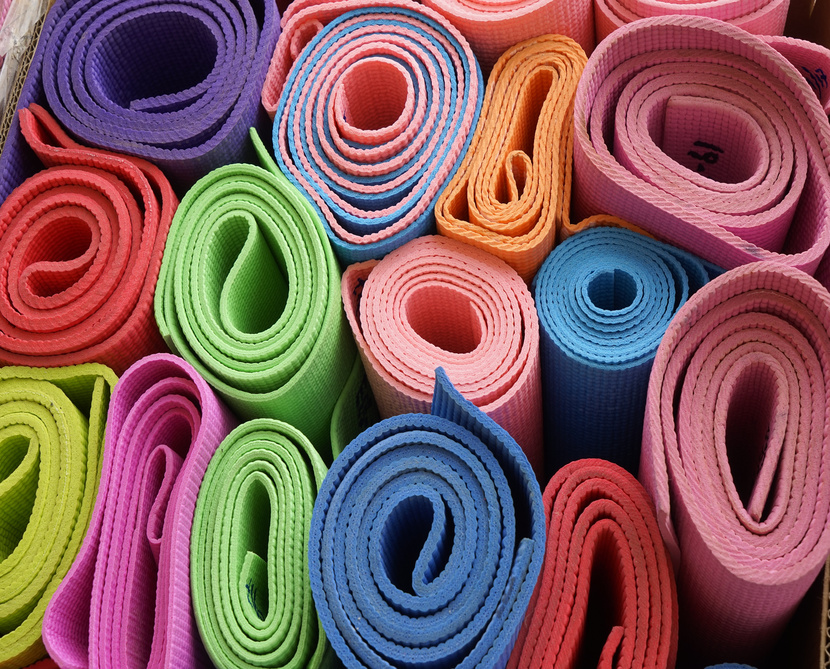
Start by checking the manufacturer’s label or product information for material codes or recycling symbols. These typically identify PVC, TPE, natural rubber, or other compositions — and that identification shapes your disposal options.
When labels are unavailable, physical characteristics can help. PVC mats feel smooth and slightly sticky, with a chemical smell when new — and are rarely recyclable through standard programs. TPE mats feel softer and more rubber-like, with some recycling centers accepting them. Natural rubber mats have a distinctive earthy smell and grainy texture, making them more likely to be compostable or recyclable.
If you’re still unsure, contact your local recycling center directly to ask about yoga mat acceptance. Many standard programs do not handle these materials due to their size, composition, or contamination concerns, but specialized facilities sometimes do. Some manufacturers also publish material identification guides on their websites, which can help even when original packaging is long gone.
How to dispose of an old yoga mat responsibly: your best options
The right disposal pathway depends on your mat’s condition, material, and what’s available locally. Here are the main options:
- Manufacturer take-back programs — Companies like Manduka and Jade Yoga accept their old products for proper recycling or repurposing through specialized facilities
- Donation — Local yoga studios, community centers, schools, or charitable organizations often welcome gently used mats
- Specialized recycling programs — Services like TerraCycle offer mail-in recycling for hard-to-recycle items, including certain yoga mat materials
- Sporting goods retailer programs — Some outdoor and fitness retailers partner with recycling companies to accept old equipment
- Industrial composting — Mats made from natural rubber, cork, or organic cotton can often be composted at industrial facilities
A note on “biodegradable” labels: A mat labeled biodegradable will not simply disappear in a landfill. True biodegradation of natural materials like rubber or cork requires industrial composting conditions — high heat, adequate moisture, and oxygen — that landfills do not provide. Without these conditions, even natural mats can take decades to break down. If composting is your chosen route, contact your local industrial composting facility first to confirm they accept yoga mat materials.
Before choosing any disposal method, ask whether your mat still has usable life. If the material is functional and hygienic, cleaning, repair, or donation is always the better first step.
How to extend your yoga mat lifespan and reduce waste
The most environmentally friendly mat is the one that doesn’t need replacing yet. Proper care can significantly extend how long a mat remains safe and functional.
- Storage: Roll your mat rather than fold it, and keep it away from direct sunlight and heat. UV exposure and heat accelerate material breakdown, especially in natural rubber and TPE mats.
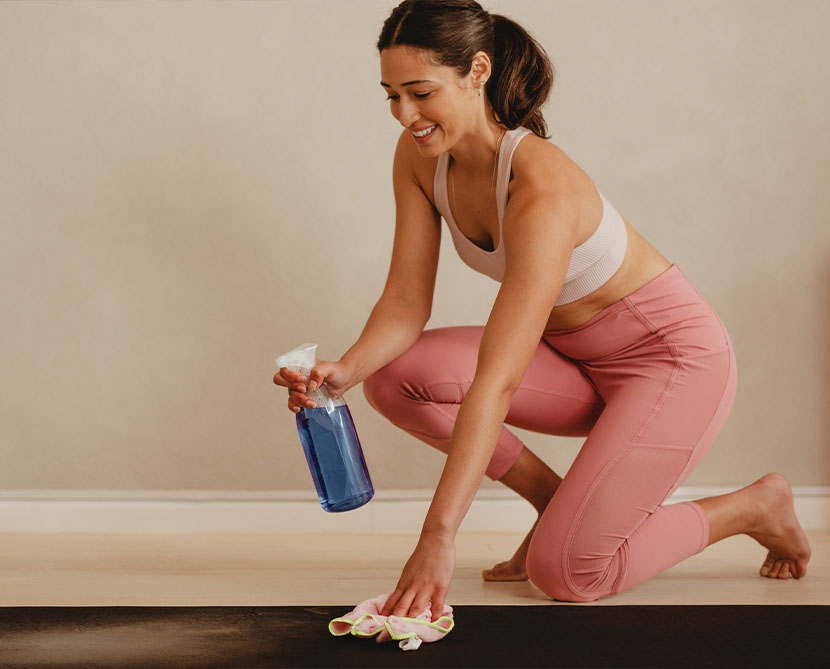
- Cleaning: Wipe down your mat after each session with a diluted mild soap spray, and do a deeper clean once a month. Avoid harsh chemicals or abrasive scrubbers — these degrade surface materials and reduce grip over time.
- Condition check: Surface discoloration is often cleanable and is not a reason to dispose of a mat. Look instead for structural signs of wear: peeling layers, persistent odor that cleaning doesn’t resolve, loss of grip, or tears that affect stability during practice.
- Mindset: Treating your mat as a long-term tool rather than a consumable item is itself a sustainability practice. A well-maintained mat from a quality brand can last five years or more with consistent care.
Creative ways to upcycle your old yoga mat at home
When your mat is too worn to donate but still structurally intact, upcycling keeps it out of landfill and puts it to work. The properties that make yoga mats effective for practice — non-slip texture, cushioning, waterproof surface, durability — also make them surprisingly versatile around the home, garden, and beyond.
Around the home
- Non-slip bath mat: Cut your mat to size and place it in the shower or bathtub. The textured, water-resistant surface provides the same grip in a wet bathroom as it does on a studio floor.
- Jar and bottle opener: A small square of yoga mat gives you the friction needed to open stubborn lids — more effective than a cloth towel.
- Mouse pad: A firm, flat section makes a comfortable and durable mouse pad. The slight cushioning reduces wrist fatigue during long desk sessions.
- Furniture leg protector: Cut small circles or squares and place them under chair and table legs to prevent scratching on hardwood floors and reduce noise when furniture is moved.
- Drawer and shelf liner: Cut strips to line kitchen drawers or pantry shelves. The non-slip surface keeps items in place and wipes clean easily.
In the garden and outdoors
- Kneeling pad: A folded section provides cushioning when weeding or planting. The waterproof surface holds up to outdoor conditions far better than a cloth pad.
- Seedling tray liner: Place a cut piece under seedling trays to protect surfaces and catch water runoff. Easy to rinse clean between uses.
- Tool handle grip: Wrap strips around the handles of garden tools to improve grip and reduce blistering. Secure with twine or a rubber band for a low-cost ergonomic upgrade.
- Frost protection layer: Lay a section over tender plants or seedling trays on cold nights. The insulating properties of foam-based mats help retain ground heat and protect against light frost.
For pets and kids
- Pet crate liner: A cut section provides a comfortable, easy-to-clean surface inside a dog or cat crate. The cushioning is gentle on joints and the material resists moisture.
- Under-bowl noise dampener: Place a small piece under a pet’s food or water bowl to prevent sliding and reduce noise on hard floors.
- Kids’ play mat: A clean, lightly used mat section makes a soft, non-slip surface for toddler play areas. The cushioning absorbs impact and the waterproof surface wipes down easily after messy play.
- Craft table protector: Lay a mat section on a table during painting or craft projects. It protects the surface, provides a cushioned work area, and cleans up with a damp cloth.
Each of these second-life uses reduces the demand for a new product to fill the same function — compounding the environmental benefit of choosing not to discard.
How do you choose a more sustainable yoga mat for the future?
When it’s time to replace your mat, the most important factors to evaluate are materials, manufacturing practices, and end-of-life disposal options. Prioritizing natural, biodegradable materials is a strong starting point.
Cork mats offer natural antimicrobial properties and excellent grip. Cork is harvested from tree bark without harming the tree, making it both renewable and biodegradable. Natural rubber provides superior cushioning and durability while being completely plant-based — though those with latex allergies should choose alternatives. Organic cotton mats work well for gentler practices and are fully biodegradable, often combined with natural rubber for added grip.
Also consider the mat’s full lifecycle: manufacturing energy use, transportation distance, expected durability, and available disposal options when the mat eventually wears out. A more durable mat costs more upfront but lasts longer, reducing how often it needs to be replaced. Look for brands that offer take-back programs, clear end-of-life guidance, or transparent sustainability practices.
Performance doesn’t have to be sacrificed for sustainability. Modern eco-friendly mats match traditional options for grip, cushioning, and durability. Read reviews from practitioners with similar needs, consider your specific practice style, and test mats when possible before committing.
Frequently asked questions about yoga mat disposal
Can I put my yoga mat in the curbside recycling bin?
In almost all cases, no. Yoga mats are made from materials — PVC, TPE, or natural rubber — that standard municipal recycling programs are not equipped to process. Their size and mixed-material construction make them incompatible with most curbside sorting systems. Instead, look for specialized recycling programs, manufacturer take-back schemes, or mail-in services like TerraCycle.
Which yoga mat materials can be composted?
Natural rubber, cork, and organic cotton are the materials most likely to be accepted for composting. Composting must take place at an industrial facility capable of reaching the high temperatures needed to break these materials down effectively — home compost bins don’t generate enough heat. Always contact your local industrial composting facility before attempting to compost any mat, even one marketed as biodegradable.
How do I know if my yoga mat is too worn to donate?
A mat is generally suitable for donation if it retains its structural integrity and grip, is free of tears or peeling, and doesn’t have a persistent odor that regular cleaning can’t resolve. Surface discoloration or minor scuffs are usually not a barrier. If the mat has lost its non-slip surface, has visible structural damage, or would not provide a safe practice surface for another user, it’s better suited to upcycling or disposal.
Are cork yoga mats recyclable?
Cork itself can be composted in industrial facilities and is sometimes accepted by specialist recycling programs. However, most cork yoga mats have a natural rubber backing, making the mat a composite product. Check with the manufacturer about their specific take-back or end-of-life guidance — some brands that use cork and rubber will accept returned mats for responsible processing through their own recycling channels.
Which companies offer recycling programs for old yoga mats?
Several manufacturers and specialist services offer recycling programs for old yoga mats. Manduka and Jade Yoga both have take-back or recycling initiatives for their own products. TerraCycle operates mail-in programs that accept certain yoga mat materials as part of their hard-to-recycle waste streams. Some sporting goods retailers also partner with recycling services to accept old fitness equipment. Check the manufacturer’s website directly, as take-back programs are updated regularly and eligibility may depend on mat material and country of purchase.
Responsible yoga mat disposal reflects the mindful principles central to yoga practice itself. By choosing appropriate disposal methods and selecting sustainable options for future purchases, you extend environmental consciousness beyond your practice space. We at Samarali understand this connection, which is why all our meditation and yoga gear uses organic or natural fabrics, supporting both your practice and planetary well-being.
Browse our selection of thoughtfully crafted sustainable yoga essentials — designed for mindful movement and made with respect for the planet.