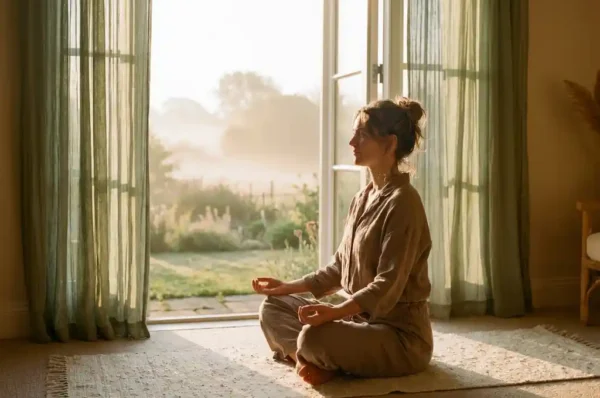



Practising yoga at home can save you £600 to £1,200 annually compared to studio memberships. While studios charge £80-150 monthly, home practice requires only a one-time equipment investment of £50-150. You’ll also save on transport costs, parking fees, and time. The initial investment typically pays for itself within 2-3 months, making home yoga practice a budget-friendly alternative that offers unlimited sessions.
How much do yoga studios actually cost compared to practising at home?
Studio yoga costs significantly more than home practice when you calculate all expenses:
- Monthly memberships: Unlimited studio access ranges from £80-150 monthly, totalling £960-1,800 annually
- Drop-in classes: Individual sessions cost £12-20 each, making occasional practice expensive
- Hidden transport costs: Petrol, parking, and public transport add £3-8 per class visit
- Lost value from missed sessions: Studio memberships don’t refund unused classes, creating financial waste
These combined expenses create a substantial financial burden that continues indefinitely, making studio practice one of the most expensive ways to maintain a regular yoga routine.
Home yoga practice requires a much smaller financial commitment. You’ll need basic equipment costing £50-150 initially, plus optional online class subscriptions ranging from £10-30 monthly. Even premium sustainable yoga gear made from organic materials represents better long-term value than ongoing studio fees, as your equipment remains available 24/7 without additional costs.
What do you actually need to start practising yoga at home?
Starting a home yoga practice requires minimal equipment investment with flexible budget options:
- Essential yoga mat: Quality yoga mats range from £25-60, providing necessary grip and cushioning for safe practice
- Comfortable clothing: Use existing workout clothes or loungewear – no special purchases required
- Adequate floor space: A 6×4 foot area provides sufficient room for most yoga sequences
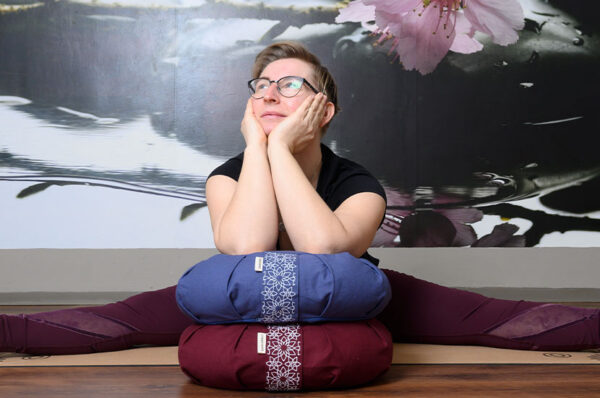
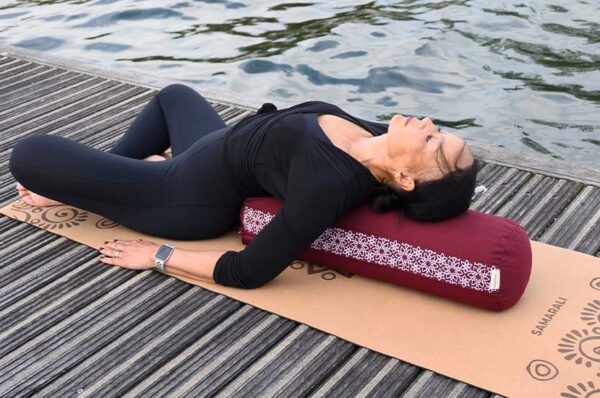
- Optional props: Blocks (£15-25), straps (£8-15), and bolsters (£30-50) enhance poses but aren’t immediately necessary
This minimal equipment approach makes yoga accessible to virtually any budget while providing everything needed for effective practice. Most beginners find that starting with basics and gradually adding props creates a sustainable setup without overwhelming initial costs.
Your home yoga equipment budget depends on your quality preferences and sustainability values. Basic setups cost £30-50, while premium sustainable options range from £100-150. Higher-quality equipment lasts for years, making it more economical over time than frequently replacing cheaper alternatives that may compromise your practice experience.
How do you calculate your real savings from home yoga practice?
Calculate your home yoga savings by comparing comprehensive studio costs against home setup expenses:
- Studio membership costs: Monthly fees averaging £100 total £1,200 annually
- Transport expenses: £5 per visit for twice-weekly practice adds £520 yearly
- Parking and additional fees: Urban studios often require paid parking, adding £2-5 per session
- Missed class losses: Unused sessions represent pure financial waste with no refund options
- Time value: Commuting 30-60 minutes per session represents significant opportunity cost
These calculations reveal that studio practice often costs £1,500-2,000 annually when including all associated expenses, making the financial impact far greater than advertised membership prices suggest.
Home practice costs include initial equipment (£50-150) and optional online subscriptions (£120-360 yearly). Even with premium sustainable yoga gear and multiple streaming services, total annual costs rarely exceed £500. Your investment payback timeline typically ranges from 2-3 months, after which every month represents pure savings while maintaining unlimited practice access.
What are the biggest money-saving benefits of home yoga beyond class fees?
Home yoga practice eliminates numerous hidden costs that significantly impact your budget:
- Transport savings: Eliminating studio trips saves £300-800 annually on petrol, parking, and public transport
- Time reclamation: Avoiding 30-60 minute commutes per session frees time for additional practice or other priorities
- Flexible scheduling: Practice adapts to your timetable, eliminating financial waste from missed studio sessions
- Reduced wardrobe costs: Home practice allows comfortable clothing without appearance concerns, cutting clothing and laundry expenses
- Unlimited session access: Additional practice sessions cost nothing once equipment is purchased, encouraging more frequent use
These combined benefits create a comprehensive financial advantage that extends far beyond simple class fee comparisons. The unlimited nature of home practice transforms yoga from a costly scheduled obligation into an accessible daily habit that grows more valuable over time.
Making the switch to home yoga practice offers substantial financial benefits alongside personal convenience. The combination of eliminated studio fees, reduced transport costs, and unlimited practice access creates compelling savings that grow over time. We believe sustainable yoga gear enhances this experience – our organic cotton materials and plastic-free packaging reflect the mindful values that make home practice so rewarding, both financially and personally. Whether you’re creating a complete setup with yoga sets or building your collection gradually, the investment pays dividends in both savings and practice quality.
Browse our selection of thoughtfully crafted collection of sustainable yoga essentials—designed for mindful movement and made with respect for the planet.