


Breathwork is the intentional practice of controlling your breathing patterns to influence your physical, mental, and emotional state. Unlike automatic breathing, breathwork involves consciously directing the pace, depth, and rhythm of each breath to produce specific effects in the body and mind. It spans a wide range of techniques, from ancient yogic practices to modern therapeutic methods, and the rest of this article unpacks how it works, what types exist, and how to get started.
How does breathwork actually work in the body?
Breathwork works by directly influencing the autonomic nervous system, the part of your body that regulates involuntary functions like heart rate, digestion, and stress response. When you slow your breath down or shift its rhythm intentionally, you send signals to your brain that alter your physiological state within seconds. This makes breathwork one of the few tools that gives you conscious access to an otherwise automatic system.
The key mechanism is the relationship between breathing and the vagus nerve. Slow, deep exhalations stimulate the parasympathetic branch of the nervous system, often called the “rest and digest” mode, which lowers cortisol, reduces heart rate, and promotes a sense of calm. Faster, more rhythmic breathing patterns, on the other hand, can activate the sympathetic nervous system, increasing alertness and energy.
Carbon dioxide and oxygen balance also play a central role. Breathing too quickly lowers carbon dioxide levels in the blood, which can cause tingling sensations or lightheadedness, effects that some breathwork traditions use deliberately to achieve altered states of awareness. Breathing slowly and fully, by contrast, optimizes oxygen delivery to tissues and supports cellular function throughout the body.
What are the main types of breathwork?
The main types of breathwork range from gentle, meditative techniques to more intense, therapeutic approaches. Each type uses a different breathing pattern to achieve a different outcome, so the right choice depends on what you are hoping to experience or address.
Calming and meditative breathwork
These techniques prioritize slow, controlled breathing to reduce stress and support focus. Box breathing involves inhaling, holding, exhaling, and holding again for equal counts, commonly four seconds each. It is widely used to manage anxiety and sharpen concentration. Diaphragmatic breathing, sometimes called belly breathing, encourages full use of the diaphragm and is one of the most accessible starting points for beginners. Alternate nostril breathing, rooted in yogic tradition, balances the two hemispheres of the nervous system and pairs naturally with meditation practice.
Activating and therapeutic breathwork
These methods use faster or more intense patterns to release stored tension, process emotions, or shift energy levels. Holotropic breathwork, developed by Stanislav Grof, uses accelerated breathing with music to induce non-ordinary states of consciousness and is typically facilitated by a trained practitioner. Rebirthing breathwork and transformational breathwork follow similar principles. Wim Hof breathing combines rapid cycles of deep inhalations and exhalations with breath retention and is often used to build resilience, improve cold tolerance, and boost energy.
What are the benefits of breathwork for mental and physical health?
Breathwork offers a broad range of benefits for both mental and physical health, supported by its direct effect on the nervous system. Regular practice can reduce stress and anxiety, improve sleep quality, support emotional regulation, and enhance focus. On the physical side, it can lower blood pressure, improve lung capacity, and help manage chronic pain responses.
For mental wellbeing, breathwork gives practitioners a reliable tool for interrupting stress cycles. Because it works quickly, even a few minutes of intentional breathing can shift your mood and reduce the physical symptoms of anxiety. Many people find it particularly useful before high-pressure situations like public speaking, difficult conversations, or demanding workouts.
Physically, consistent breathwork practice supports cardiovascular health by training the body to maintain a lower resting heart rate. Athletes use specific techniques to improve oxygen efficiency and recovery times. For those dealing with chronic stress, breathwork can reduce the long-term wear that elevated cortisol places on the immune system and digestive function.
Emotionally, deeper breathwork practices are increasingly used alongside therapy to help process grief, trauma, and unresolved feelings. The breath acts as a bridge between the conscious mind and the body, making it possible to access and release tension that purely cognitive approaches sometimes miss.
How do you start a breathwork practice as a beginner?
To start a breathwork practice as a beginner, choose one simple technique, commit to five to ten minutes daily, and build from there. Consistency matters far more than duration in the early stages. Starting with a gentle method like diaphragmatic breathing or box breathing gives you a safe, accessible foundation before exploring more intense practices.
Here is a straightforward approach to getting started:
- Choose one technique: Pick a single method suited to your goal, such as box breathing for stress or belly breathing for relaxation, and stick with it for at least two weeks before adding anything new.
- Set a consistent time: Mornings work well for energizing practices, while evenings suit calming ones. Attaching breathwork to an existing habit, like your yoga session or a cup of tea, helps it stick.
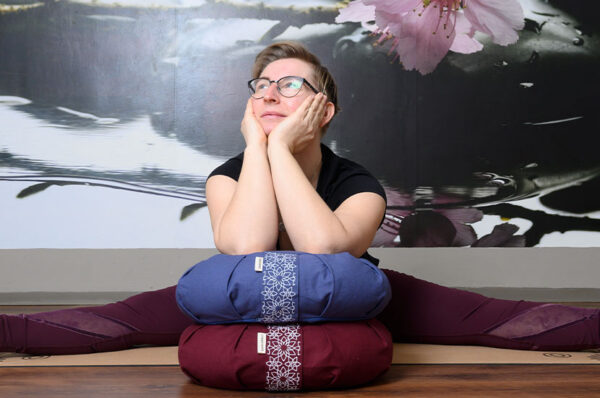
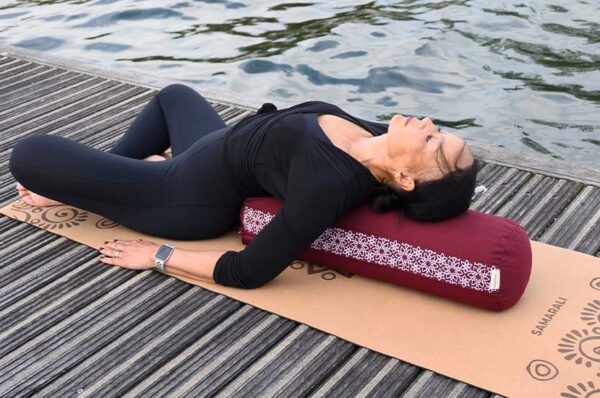
- Create a comfortable environment: Sit or lie down in a position where your spine is supported and your chest can expand freely. A meditation mat or a supportive cushion can make a real difference to your comfort and consistency.
- Start short: Five minutes is enough to feel a genuine effect. Gradually extend your sessions as the practice becomes more familiar.
- Notice what changes: After each session, take a moment to observe how you feel physically and emotionally. This builds self-awareness and motivates continued practice.
If you experience dizziness or discomfort during any technique, return to your natural breath immediately. More intense practices like holotropic breathwork are best explored with a qualified facilitator rather than alone at home. For most beginners, the gentler end of the spectrum offers plenty of benefit and is a wonderful complement to an existing yoga or meditation set routine.
Ready to create the ideal space for your breathwork and meditation practice? At Samarali, you will find everything you need to settle in with ease and intention — from a supportive meditation mat designed for extended floor sessions to a complete meditation set that brings comfort and focus together. If your breathwork sits alongside a yoga routine, explore our yoga mats and yoga bolster to support every part of your practice. Shop the collection now and build a practice space that truly works for you.
Frequently Asked Questions
How long does it take to notice real results from a breathwork practice?
Many people notice immediate, session-level effects — like reduced heart rate or a calmer mood — from their very first practice. For deeper, more lasting benefits such as improved stress resilience, better sleep, or lower resting heart rate, most practitioners report meaningful changes after two to four weeks of consistent daily practice. The key is regularity over intensity; even five to ten minutes a day compounds significantly over time.
Can breathwork replace meditation, or should I do both?
Breathwork and meditation are complementary rather than interchangeable. Breathwork tends to work more actively on your physiological state — shifting your nervous system quickly and tangibly — while meditation cultivates sustained awareness and mental clarity over time. Many practitioners find that a short breathwork session before meditating deepens the quality of their sit by settling the nervous system first. Using both together, even briefly, often yields better results than either practice alone.
Are there any situations where breathwork is not safe or should be avoided?
Yes — while gentle techniques like diaphragmatic breathing are safe for most people, more intense practices such as Wim Hof or holotropic breathwork carry real contraindications. These include pregnancy, cardiovascular conditions, epilepsy, a history of psychosis, or recent surgery. Even with calming techniques, people with severe anxiety disorders or PTSD should ideally introduce breathwork under the guidance of a qualified therapist or facilitator. When in doubt, consult your healthcare provider before beginning any new breathwork routine.
What is the best breathwork technique for falling asleep or managing insomnia?
The 4-7-8 technique is widely regarded as one of the most effective breathwork methods for sleep: inhale for 4 counts, hold for 7, and exhale slowly for 8. The extended exhale is key — it activates the parasympathetic nervous system and signals to your body that it is safe to rest. Diaphragmatic breathing practiced lying down in bed is another excellent option, particularly for those new to breathwork, as it requires no counting and naturally slows the breath to a sleep-friendly rhythm.
Why do I feel dizzy or tingly during breathwork, and is that normal?
Tingling sensations and mild lightheadedness are common, especially during faster or deeper breathing techniques, and are caused by a temporary shift in your carbon dioxide and oxygen balance — a state known as hypocapnia. This is generally harmless and passes quickly when you return to normal breathing. However, if you feel intense dizziness, numbness, or any chest pain, stop immediately and breathe naturally. These stronger symptoms are a signal to slow down, try a gentler technique, or seek guidance from a qualified breathwork instructor.
Can I practice breathwork if I already have a yoga routine — and how do the two fit together?
Breathwork fits seamlessly into a yoga practice because conscious breathing, or pranayama, is already one of yoga’s eight foundational limbs. You can use activating techniques like Kapalabhati breath at the start of a session to build heat and focus, and calming techniques like alternate nostril breathing at the end to transition into savasana or meditation. Even without formal integration, practicing a few minutes of intentional breathwork before your yoga session can improve your mind-body connection and deepen your overall experience on the mat.
How do I know if I am breathing correctly during practice — are there common mistakes to watch out for?
The most common mistake beginners make is chest breathing rather than diaphragmatic breathing — you can check by placing one hand on your chest and one on your belly, and ensuring the belly hand rises first on the inhale. Holding tension in the shoulders, jaw, or throat is another frequent issue that restricts breath depth and defeats the purpose of the practice. Finally, many people unconsciously rush the exhale; in most calming techniques, the exhale should be at least as long as, or longer than, the inhale to fully engage the parasympathetic response.