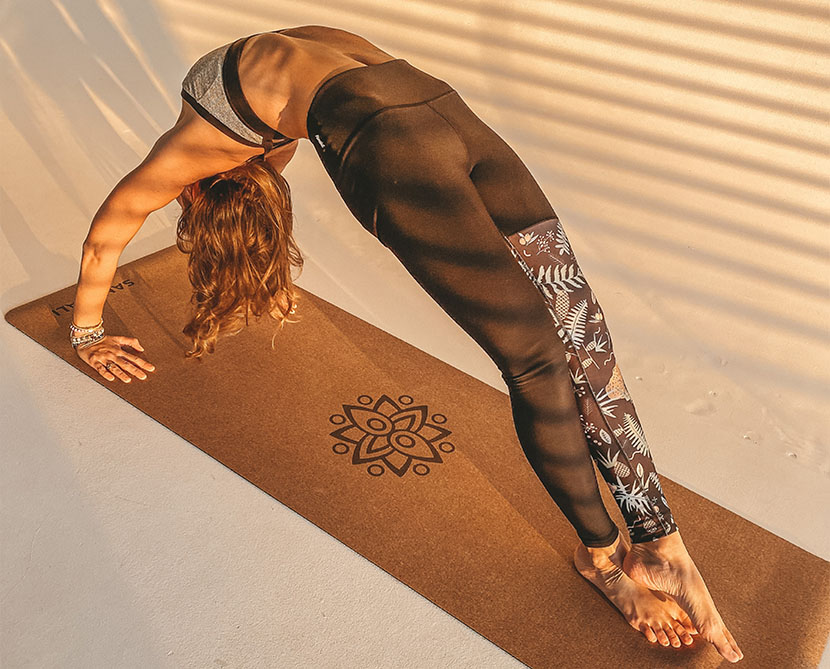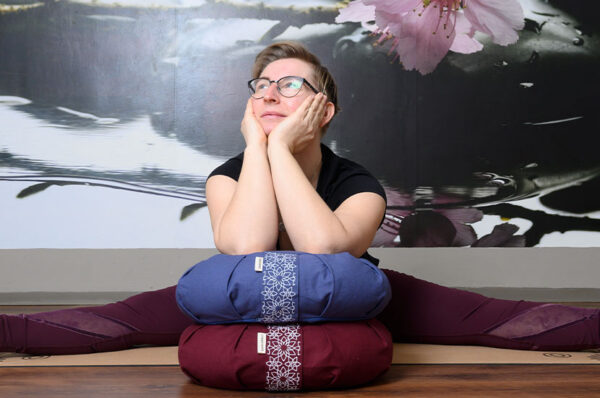
Vinyasa yoga can support weight loss, especially when practiced consistently and combined with a balanced diet. It elevates your heart rate, builds functional strength, and encourages a more mindful relationship with your body and food. The sections below break down exactly how vinyasa yoga affects calorie burn, muscle development, and how it stacks up against other exercise methods.
What is vinyasa yoga?
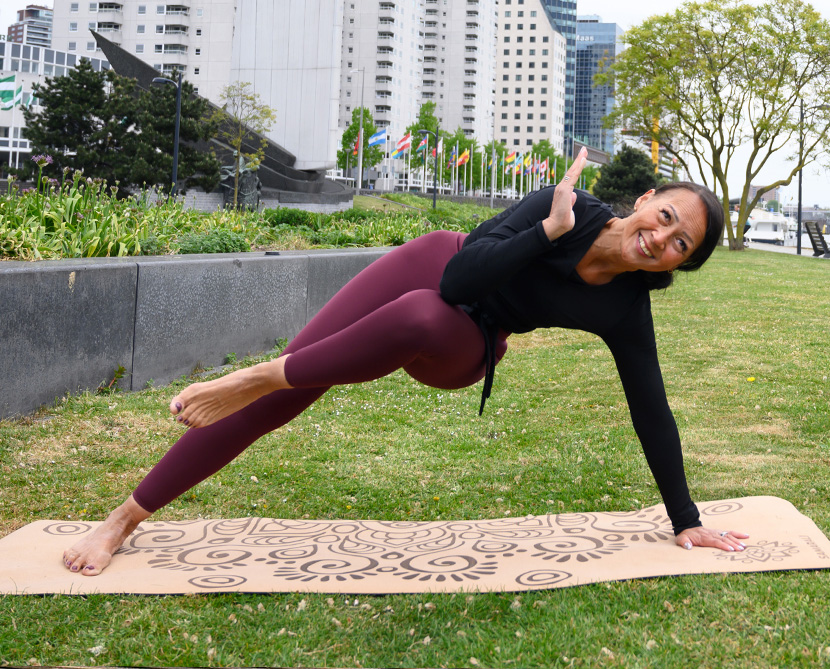
Vinyasa yoga is a dynamic style of yoga where every movement is synchronized with the breath — inhaling to lengthen, exhaling to deepen or transition. Often called flow yoga or vinyasa flow, it functions as a moving meditation that links mind, body, and breath into one continuous, rhythmic practice. Unlike static stretching or seated meditation, vinyasa keeps you in motion, making it as much a physical workout as a mindfulness practice.
What sets vinyasa apart from slower styles like hatha, yin, or restorative yoga is its pace and cardiovascular demand. In a typical vinyasa class, you move through a continuous sequence of poses — known as asanas — flowing from one to the next without long pauses. This unbroken movement keeps your heart rate elevated and your muscles engaged throughout the session, placing it firmly at the higher-intensity end of the yoga spectrum.
That dynamic quality is precisely what makes vinyasa yoga a credible tool for weight loss — and the sections below explain exactly how.

How many calories does vinyasa yoga actually burn?
A typical vinyasa yoga session burns roughly 300 to 500 calories per hour, depending on your body weight, the intensity of the class, and how much rest you take between flows. That puts it in a similar range to a moderate cycling session or a brisk walk — making it a genuinely meaningful calorie-burning activity, not just a gentle stretch.
Vinyasa burns more calories than slower styles like yin or restorative yoga because of its continuous, breath-linked movement. Transitioning from pose to pose without long pauses keeps your heart rate elevated throughout. A faster-paced or heated class pushes that range even higher, as your cardiovascular system works harder to keep up.
Calorie burn alone, however, does not determine weight loss outcomes. Vinyasa yoga also reduces cortisol — the stress hormone closely linked to fat retention, particularly around the midsection. Lower cortisol supports better sleep and more stable hunger hormones, both of which play a quiet but powerful role in managing body weight over time.
Consistent vinyasa practice also produces lasting improvements in cardiorespiratory fitness — the efficiency with which your heart and lungs deliver oxygen to working muscles. Over time, everyday activities feel easier, recovery between sessions improves, and your body becomes more metabolically active. The stronger your cardiovascular system becomes, the more efficiently your body manages weight, making vinyasa a genuine long-term investment, not just a calorie-burning workout.
Does vinyasa yoga build the muscle needed to boost metabolism?
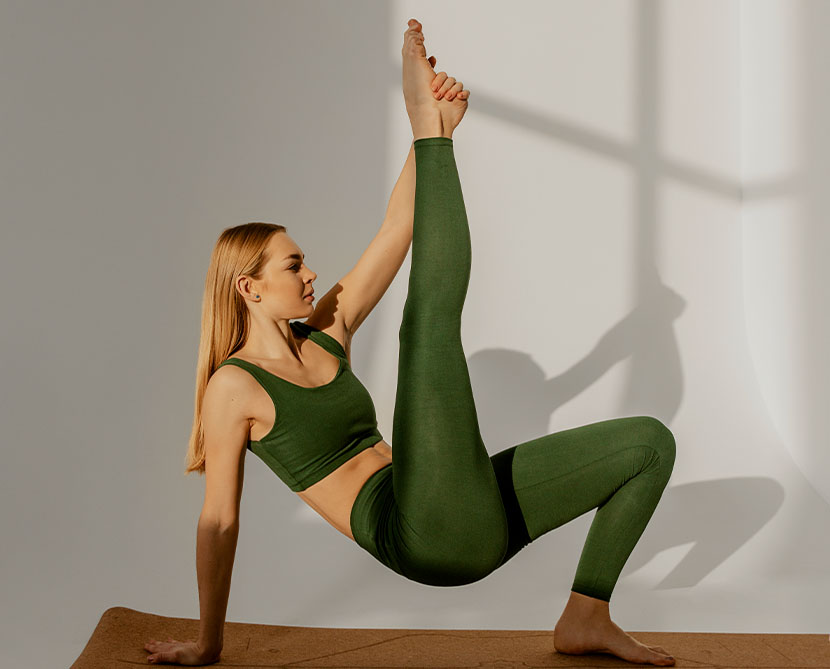
Yes. Vinyasa yoga builds functional muscle, particularly in the core, shoulders, arms, glutes, and legs. Poses like chaturanga, warrior sequences, and chair pose require you to hold and move your own body weight repeatedly, creating real muscular demand. More muscle tissue raises your resting metabolic rate, meaning you burn more calories even when you are not exercising.
The muscle-building effect of vinyasa differs from that of lifting heavy weights, but it is not insignificant. Moving through a wide range of motion and holding positions under tension develops long, strong muscles with good endurance. Over weeks and months of regular practice, this accumulates into a noticeably stronger physique and a more efficient metabolism.
Practicing on a supportive surface matters more than many people realize when it comes to building strength safely. A natural rubber yoga mat or a cork yoga mat provides the grip and cushioning needed to hold challenging poses with stability — reducing the risk of injury and letting you push your strength work further in each session.

How does vinyasa yoga compare to cardio for weight loss?
Vinyasa yoga burns fewer calories per hour than high-intensity cardio like running or HIIT, but it offers benefits that those formats cannot match. It combines cardiovascular conditioning, strength training, flexibility work, and stress reduction in a single session. For sustainable, long-term weight management, this combination is often more effective than pure cardio alone.
Pure cardio can lead to muscle loss if overdone, which actually slows metabolism over time. Vinyasa preserves and builds muscle while still keeping your heart rate up, creating a more balanced physiological effect. People who struggle to maintain a cardio routine often find vinyasa easier to stick with because it feels rewarding rather than punishing — and consistency is the single biggest driver of weight loss results.
Vinyasa also has an edge over traditional cardio when it comes to eating habits. Regular practitioners tend to develop greater body awareness and a more intuitive relationship with hunger and fullness, which naturally supports healthier food choices without rigid dieting.
What does the research say about yoga and weight loss?
Vinyasa yoga’s weight loss benefits are not purely anecdotal — they are supported by a growing body of clinical research. Peer-reviewed studies published in journals such as Obesity have examined structured yoga programs in adult participants over multi-month periods, often combining regular practice with dietary guidance. These trials consistently show meaningful reductions in body weight and improvements in overall physical health.
One particularly useful finding for anyone comparing yoga styles: both vinyasa and hatha yoga produce meaningful weight loss and improved cardiorespiratory fitness, with research suggesting no statistically significant difference in outcomes between the two. Studies have also found high continuation rates among participants after the formal study period ends — indicating that yoga is not just effective, but a practice people actually sustain. Long-term adherence is one of the most important predictors of lasting weight management.
This body of evidence positions vinyasa yoga as a medically credible weight loss tool, not simply a wellness trend. Knowing that structured vinyasa practice has been validated through clinical research — and not just social media — is a meaningful reason to take it seriously as part of a long-term fitness strategy.

What type of vinyasa practice is best for weight loss?
For weight loss, the most effective vinyasa practices maintain a high pace with minimal rest, incorporate standing and balancing sequences, and last at least 45 to 60 minutes. Power vinyasa and hot vinyasa classes are particularly well-suited because they maximize calorie burn and cardiovascular demand while still delivering the full-body strength benefits of a traditional flow.
Practice frequency and session length
Practicing vinyasa three to five times per week produces the most consistent results for weight management. Sessions under 30 minutes are less effective for calorie burn, so aim for classes that run at least 45 minutes. If you are new to yoga, starting with three sessions per week and building gradually gives your body time to adapt while still creating a meaningful training stimulus.
Choosing the right class style
Power vinyasa classes focus on strength-heavy sequences and faster transitions, making them the top choice for weight loss goals. Hot vinyasa, practiced in a heated room, raises your heart rate further and increases sweat output — though the additional calorie burn from heat alone is more modest than the intensity might suggest. If you are building a home practice, following structured online flows rather than improvising keeps the intensity consistent and progressive.
Whatever format you choose, the right yoga equipment supports a safer and more effective practice. A non-slip mat, comfortable clothing, and props like blocks allow you to move freely and hold challenging positions without compromising form, which is where the real strength and calorie-burning work happens.

Frequently Asked Questions
How long does it take to see weight loss results from vinyasa yoga?
Most people begin to notice meaningful changes in body composition within 6 to 8 weeks of practicing vinyasa yoga 3 to 5 times per week. Initial results often show up as improved muscle tone and reduced bloating before the scale reflects significant changes. For visible fat loss, combining your practice with a balanced, whole-food diet accelerates the timeline considerably — yoga supports the process, but nutrition remains the most powerful lever for weight loss outcomes.
Can I lose weight with vinyasa yoga alone, or do I need to add other workouts?
Vinyasa yoga alone can absolutely contribute to weight loss, particularly when practiced at a high frequency and intensity. Combining it with some form of resistance training — even bodyweight workouts — can accelerate results by further increasing muscle mass and resting metabolic rate. That said, if vinyasa is the only exercise you enjoy enough to do consistently, it is far more effective than a varied routine you rarely follow through on.
What should I eat before and after a vinyasa session to support weight loss?
Before a session, a light snack with easily digestible carbohydrates — such as a banana or a small handful of oats — consumed 30 to 60 minutes prior provides energy without causing discomfort during inversions and twists. After your practice, prioritize protein and complex carbohydrates to support muscle repair and replenish glycogen. A smoothie with protein powder, Greek yogurt with fruit, or eggs with whole-grain toast all work well. Avoid skipping the post-practice meal entirely — under-fueling can increase cortisol levels and counteract the metabolic benefits of your session.
Is vinyasa yoga suitable for beginners who want to lose weight, or is it too intense to start with?
Vinyasa yoga is accessible to beginners, but starting with a beginner or slow-flow vinyasa class — rather than jumping straight into power or hot vinyasa — is strongly recommended. These foundational classes teach the breath-movement connection and key poses like chaturanga and downward dog, which form the backbone of all vinyasa flows. Once you have built a baseline of strength and familiarity, typically after 4 to 6 weeks, you can progress to faster, more intense formats where the calorie burn and weight loss benefits are most significant.
Why am I not losing weight even though I practice vinyasa yoga regularly?
The most common reason is a compensatory increase in appetite — vigorous exercise can trigger hunger signals that lead people to unconsciously eat back the calories burned. It is also worth examining whether your sessions are consistently long and intense enough, since shorter or very gentle flows may not create the caloric deficit needed for fat loss. Finally, stress, poor sleep, and hormonal factors can stall progress even with a solid exercise routine, so looking at recovery habits alongside your yoga practice often unlocks results that training alone cannot.
Can I practice vinyasa yoga every day for faster weight loss results?
Daily vinyasa practice is possible, but alternating between high-intensity power vinyasa sessions and slower, more restorative flows is smarter than going full intensity every day. Muscle repair and recovery happen during rest, and overtraining can elevate cortisol — the very stress hormone vinyasa helps reduce — which can stall fat loss and increase injury risk. A balanced weekly schedule might include three to four vigorous vinyasa sessions, one or two gentler flows, and at least one full rest day to let your body consolidate its strength and metabolic gains.
Does hot vinyasa burn significantly more calories than regular vinyasa?
Hot vinyasa does elevate heart rate slightly more than room-temperature practice, but research suggests the additional calorie burn from heat itself is more modest than the intense sweat output implies — much of the extra fluid loss is water weight that returns once you rehydrate. The real advantage of a heated room is that muscles warm up faster, allowing for deeper ranges of motion and potentially more challenging sequences that do meaningfully increase calorie expenditure. If you enjoy the heat and find it motivates you to push harder, hot vinyasa is a worthwhile option — just don’t rely on sweat volume as a measure of calories burned.