Most people benefit from doing Vinyasa yoga 3 to 5 times per week, with rest days built in for recovery. The right frequency depends on your experience level, fitness background, and how your body responds to the practice. Below, we break down the key questions practitioners ask about how often to practice Vinyasa yoga.
Is it okay to do Vinyasa yoga every day?
Yes, you can practice Vinyasa yoga every day — but it requires careful attention to intensity and recovery. Vinyasa is a dynamic, physically demanding style that builds heat and works the entire body. Daily practice is sustainable only when you vary the intensity and listen to your body’s signals.
Unlike gentler styles such as Yin or Restorative yoga, Vinyasa flows involve continuous movement, strength engagement, and cardiovascular effort. Doing a vigorous class seven days a week without variation can lead to fatigue, muscle soreness, and overuse strain. Alternating between strong and gentle Vinyasa sessions throughout the week makes daily practice far more manageable.
The key principle is intentional variation. A challenging flow on Monday can be balanced with a slow, breath-focused Vinyasa on Tuesday. Many experienced practitioners who practice daily also keep recovery-day sessions short — 20 to 30 minutes — rather than pushing through a full 60 to 90 minute class every day.

How many times a week is ideal for beginners versus experienced practitioners?
For beginners, 2 to 3 times per week is the ideal starting point. Experienced practitioners can comfortably practice 4 to 5 times per week, with daily practice being appropriate only for those with a well-established foundation and strong body awareness.
Beginners: Building the foundation
If you are new to Vinyasa yoga, your body needs time to adapt to the movements, transitions, and strength demands of the practice. Starting with two or three sessions per week gives your muscles, joints, and nervous system adequate recovery time — and it is enough to begin developing the breath-to-movement coordination that defines Vinyasa.
If you are working with a packed schedule, starting with just one or two sessions per week is entirely valid. Even at this frequency, you will build body awareness, breath coordination, and the foundational strength that makes more frequent practice possible later. At this stage, consistency matters more than volume — showing up twice a week for a month is more valuable than attempting five sessions in week one and burning out.
Experienced practitioners: Deepening the practice
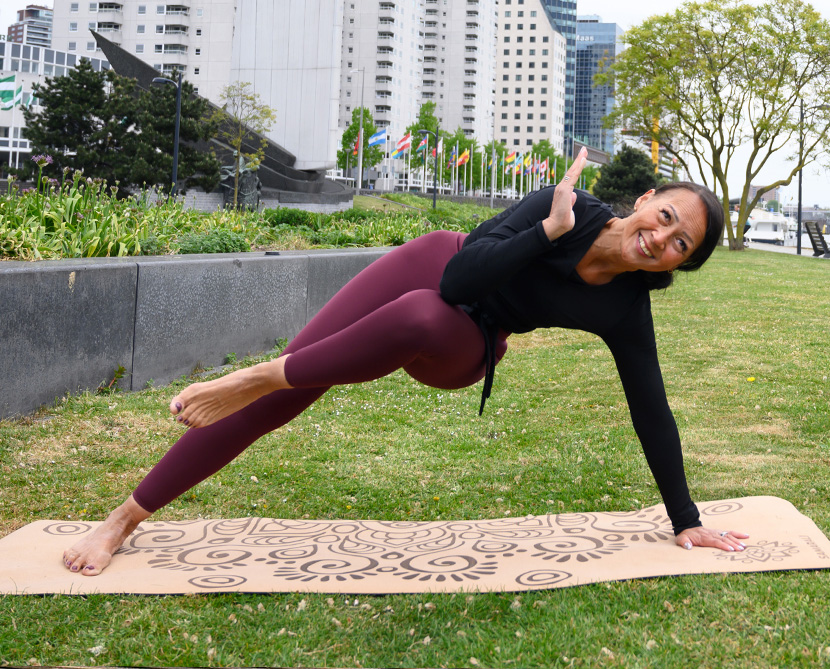
Those with a year or more of consistent Vinyasa experience can typically handle four to five sessions weekly without compromising recovery. The body has adapted to the demands of the practice, and practitioners have developed the self-awareness to recognize when to ease off. Some advanced yogis practice daily, but they tend to have a nuanced understanding of effort, rest, and the difference between productive challenge and harmful strain.
What results can you expect, and when?
The benefits of Vinyasa yoga unfold in stages, and your weekly frequency directly influences how quickly you move through them. Understanding what to expect — and on what timeline — makes it far easier to stay committed, especially in the early weeks when progress can feel slow.
- First 1 to 4 sessions: Reduced stress, improved mood, better sleep quality, and growing body awareness. These benefits appear quickly because Vinyasa activates the parasympathetic nervous system and encourages breath regulation.
- 4 to 8 weeks (2 to 3 sessions per week): Meaningful improvements in flexibility, core strength, and breath control.
- 3 to 6 months of sustained practice: Deeper changes — postural improvements, increased mental resilience, genuine strength gains, and a more established mind-body connection.
These are approximate benchmarks, not guarantees. Practicing four times per week will generally accelerate this timeline compared to twice per week, which is one of the most practical reasons to gradually increase your frequency as your schedule and body allow.
How often should you do Vinyasa yoga based on your goal?
Experience level is only one part of the frequency equation. Your personal goal — whether that is building flexibility, developing strength, supporting weight loss, or managing stress — should also shape how often and how intensely you practice each week. Here is how to align your Vinyasa frequency with what you are actually working toward.
Vinyasa yoga for flexibility
If improving flexibility is your primary goal, aim for 3 to 5 sessions per week, with an emphasis on slower-paced flows that allow time to settle into each posture. Traditional Vinyasa and slow-flow classes work particularly well here because they create enough heat to make the body receptive to stretching without rushing through transitions. Sessions of 45 to 60 minutes give you adequate time for a thorough warm-up, sustained holds, and a proper cool-down — all of which contribute meaningfully to flexibility gains over time.
Recovery days remain important even when flexibility is the focus. Connective tissue — tendons, ligaments, and fascia — adapts more slowly than muscle, so building in rest allows these structures to respond to the work you are doing. Alternating between a more dynamic flow and a slower, stretch-focused session across the week is an effective way to maintain frequency without overloading the same tissues repeatedly.
Vinyasa yoga for strength building
For those using Vinyasa as a primary tool for building functional strength, 3 to 4 focused sessions per week is the recommended range — with at least one full rest day between your most demanding practices. Power Vinyasa classes, which emphasize longer holds in challenging postures and more repetitions through sequences like Sun Salutations, are the best-suited format for this goal. Sessions in the 60 to 75 minute range provide enough volume to create meaningful muscular stimulus.
Because strength adaptation requires tissue repair, the rest days between power sessions are not optional — they are where the gains actually happen. On lighter days, a shorter slow-flow session of 30 to 45 minutes can keep you moving without interfering with recovery. Over time, you will likely notice improvements in upper body endurance, core stability, and lower body strength that carry over into other areas of your fitness.
Vinyasa yoga for weight loss and body composition
If supporting weight loss or improving body composition is your goal, a higher frequency of 4 to 6 sessions per week — mixing power Vinyasa and faster-paced flows — will have the most impact. Calorie expenditure in Vinyasa increases with both session intensity and duration, so longer power classes on most days, supplemented by shorter moderate-intensity sessions, create a consistent energy demand across the week.
It is worth noting that Vinyasa yoga supports weight management most effectively when combined with attention to nutrition and adequate sleep — factors that influence body composition as much as exercise frequency does. The practice also builds lean muscle over time, which supports a healthier metabolic rate. Treating Vinyasa as one component of a broader wellness approach, rather than a standalone solution, tends to produce the most sustainable results.
Vinyasa yoga for stress reduction and mental wellness
For stress relief and mental wellness, the research-backed approach is actually to practice more frequently but less intensely. Daily short sessions of 15 to 30 minutes — prioritizing breathwork, mindful movement, and a gentle pace — can be more effective for nervous system regulation than two or three demanding weekly classes. The consistency of showing up every day, even briefly, reinforces the parasympathetic response that makes Vinyasa such a powerful stress management tool.
Gentle Vinyasa and breath-led slow-flow formats are the best fit for this goal. The aim is to create a reliable daily ritual that signals safety and calm to the nervous system, rather than adding another performance-oriented challenge to your schedule. If life gets busy, a 10-minute breathwork session still counts — protecting the habit matters more than hitting a specific duration target.
What happens if you do Vinyasa yoga too often?
Practicing Vinyasa too frequently without adequate rest can lead to overtraining symptoms: persistent muscle soreness, fatigue, reduced flexibility, disrupted sleep, and a higher risk of injury. The body needs recovery time to repair tissue, consolidate strength gains, and restore nervous system balance.
Vinyasa is more physically taxing than many people initially realize. Repeated transitions through postures like Chaturanga Dandasana place a significant load on the shoulders, wrists, and core. Without rest, these areas become vulnerable to overuse injuries such as rotator cuff strain or wrist tendinitis.
Beyond the physical, overdoing Vinyasa can also erode its mental and emotional benefits. When the body is chronically fatigued, sessions can start to feel like a chore rather than a nourishing ritual. Recognizing early signs of overtraining — dreading practice, persistent stiffness, or unusual irritability — is just as important as showing up consistently.
That said, building toward more frequent practice is one of the most rewarding progressions in yoga. Practitioners who gradually increase from two sessions per week to four or five often report significant improvements in strength, flexibility, stress resilience, and overall well-being. The keyword is gradually — sustainable frequency growth happens over months, not weeks.
Rest days are not a break from your practice. They are part of it.
How should you structure a weekly Vinyasa yoga schedule?
A well-structured weekly schedule alternates between challenging and restorative sessions, includes at least one or two full rest days, and builds gradually over time. The exact structure depends on your level, but the core principle is the same: balance effort with recovery.
Here is a practical framework for different experience levels, followed by sample weeks you can adapt based on your energy and schedule:
- Beginners (2 to 3 sessions per week): Practice on non-consecutive days, such as Monday, Wednesday, and Friday. Keep sessions to 45 to 60 minutes and focus on alignment and breath.
- Intermediate practitioners (3 to 4 sessions per week): Mix one or two stronger flows with a slower, more mindful session. Allow at least one full rest day between your most demanding practices.
- Advanced practitioners (4 to 5 sessions per week): Deliberately vary intensity. Include at least one restorative or gentle session, and consider complementary activities like walking or swimming on off days.
Sample beginner week
- Monday: Vinyasa flow — 45 min
- Tuesday: Rest or gentle walk
- Wednesday: Vinyasa flow — 45 min
- Thursday: Rest
- Friday: Vinyasa flow — 45 min
- Saturday: Rest or breathwork — 15 min
- Sunday: Rest
Sample intermediate week
- Monday: Vinyasa flow — 60 min
- Tuesday: Rest or light walk
- Wednesday: Slow-flow Vinyasa — 45 min
- Thursday: Vinyasa flow — 60 min
- Friday: Rest or breathwork — 20 min
- Saturday: Vinyasa flow — 45 min
- Sunday: Rest
Sample advanced week
- Monday: Power Vinyasa — 75 min
- Tuesday: Slow-flow Vinyasa — 45 min
- Wednesday: Vinyasa flow — 60 min
- Thursday: Rest or swimming
- Friday: Power Vinyasa — 75 min
- Saturday: Restorative session — 45 min
- Sunday: Rest
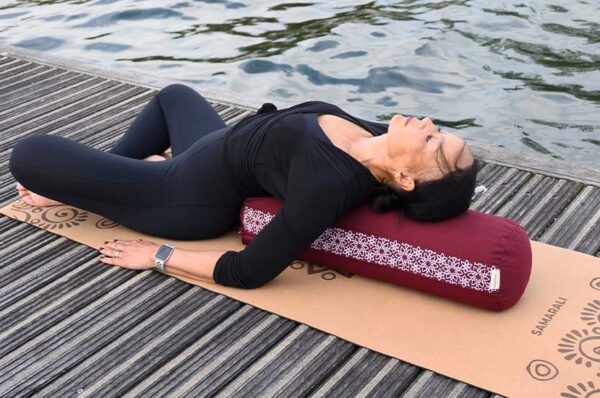
Pairing your practice with the right equipment also supports a sustainable schedule. Practicing on a supportive surface, like a cork yoga mat or a natural rubber yoga mat, reduces joint strain and helps you move more safely through transitions. For longer sessions or deeper stretching, a yoga bolster can make restorative postures more accessible and genuinely restful.
Your weekly schedule is not fixed. Life, energy levels, and seasonal rhythms all influence how much practice feels right. The most effective Vinyasa schedule is one you can maintain with enthusiasm over months and years — not just weeks.
Combining Vinyasa yoga with strength training, running, and other exercises
Vinyasa yoga integrates well with other fitness disciplines when scheduled thoughtfully. On the day after a heavy strength session or a long run, a gentle or slow-flow Vinyasa practice supports active recovery — promoting circulation, reducing muscular stiffness, and helping to lower cortisol levels without adding significant load to already taxed muscles.
Scheduling matters as much as frequency. Placing a power Vinyasa session on a light cardio day — rather than immediately after a heavy leg day or a high-intensity interval session — lets you bring full energy to both disciplines. As a general rule: pair your most demanding Vinyasa sessions with your lightest training days, and save gentle or restorative flows for the days following your hardest workouts.
While Vinyasa builds meaningful strength, mobility, and cardiovascular endurance, it is not a full replacement for dedicated strength training or conditioning if those are primary fitness goals. Combining yoga with other training works best when you treat each discipline as complementary rather than interchangeable. Vinyasa brings mobility, breath control, and recovery capacity that most other training modalities do not — and those qualities make you a more resilient, well-rounded athlete over time.
Frequently Asked Questions
How long should a typical Vinyasa yoga session be for it to be effective?
A Vinyasa session can be effective anywhere from 20 to 90 minutes, depending on your goals and schedule. Shorter sessions of 20 to 30 minutes are ideal for recovery days or when time is limited, while 60 to 75 minute classes tend to offer a fuller experience with adequate warm-up, peak poses, and cool-down. Consistency matters more than duration — a regular 30-minute practice will deliver better results over time than an occasional 90-minute session.
Can I combine Vinyasa yoga with other forms of exercise like strength training or running?
Yes, Vinyasa yoga pairs well with other forms of exercise, but scheduling matters. On days following heavy strength training or long runs, opt for a gentler Vinyasa session to support active recovery rather than adding more physical stress. Vinyasa’s emphasis on mobility, breath control, and body awareness can actually enhance performance in other disciplines, making it a valuable complement to most fitness routines.
What are the signs that I need to take a rest day from Vinyasa yoga?
Key signs that your body needs a rest day include persistent muscle soreness that doesn’t ease up between sessions, unusual fatigue, reduced range of motion, disrupted sleep, or a general feeling of dread before practice. Joint tenderness — especially in the wrists, shoulders, or knees — is a more urgent signal that should not be ignored. Honoring these cues early prevents minor fatigue from developing into a more serious overuse injury.
Is it better to practice Vinyasa yoga in the morning or evening?
Both have genuine benefits, and the best time is ultimately the one you can stick to consistently. Morning practice tends to energize the body, sharpen mental focus, and set a grounded tone for the day, though the body may feel stiffer and require a longer warm-up. Evening sessions can help release the tension accumulated during the day and support better sleep, but vigorous flows within an hour or two of bedtime may be too stimulating for some people. Experiment with both and notice how your body responds.
How do I progress in Vinyasa yoga if I’m only able to practice twice a week?
Twice-weekly practice is absolutely enough to make meaningful progress, especially for beginners and those balancing busy schedules. To maximize those sessions, focus on one or two specific skills per week — such as refining your Chaturanga alignment or building toward a new arm balance — rather than trying to cover everything at once. Supplementing with short daily breathwork or mobility exercises between sessions can also accelerate your development without adding significant physical load.
Should I practice Vinyasa yoga when I’m feeling sick or injured?
As a general rule, rest is the better choice when you are sick, as vigorous movement can prolong recovery and spread illness in a group class setting. For injuries, the answer depends on the nature and location of the issue — minor muscle soreness is different from joint pain or acute strain. When in doubt, consult a healthcare provider and consider a very gentle, modified session focused on breath and non-affected areas rather than pushing through a full flow.
What is the fastest way to build a consistent Vinyasa yoga habit?
The most effective strategy is to start smaller than you think you need to. Committing to two realistic sessions per week is far more sustainable than an ambitious five-day plan that collapses after the first month. Anchoring your practice to an existing routine — such as practicing right after your morning coffee or immediately after work — removes the decision-making friction that often derails new habits. Tracking your sessions, even with a simple calendar check mark, also reinforces the identity of someone who shows up regularly.