


Vinyasa yoga can be good for back pain when practiced thoughtfully and with proper alignment. The flowing, movement-based style helps strengthen the core and spinal muscles, improve posture, and increase flexibility in the areas that commonly contribute to back discomfort. That said, not all bodies and not all back conditions respond the same way, so understanding how to adapt your practice matters. Below, we answer the most common questions about Vinyasa yoga and back pain.
Can Vinyasa yoga make back pain worse?
Yes, Vinyasa yoga can make back pain worse if you practice without proper alignment, push through pain, or attempt poses your body is not ready for. The dynamic, flowing nature of Vinyasa means that poor form in one pose carries directly into the next, which can place repetitive stress on vulnerable areas of the spine.
The most common culprits are deep backbends practiced without adequate core engagement, forward folds with a rounded lower back, and transitions like Chaturanga where the lumbar spine sags under load. If any of these movements are performed incorrectly, they can aggravate existing tension or inflammation rather than relieve it.
The good news is that these risks are largely avoidable. Practicing with a qualified teacher, communicating openly about your back condition, and learning to distinguish between productive discomfort and warning pain are the most effective safeguards. If a pose causes sharp, shooting, or worsening pain, stop immediately and speak with a healthcare professional before continuing.
Which Vinyasa poses are best for relieving back pain?
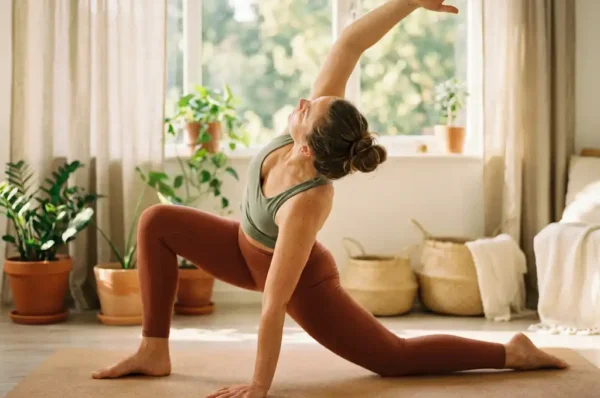
The Vinyasa poses most effective for relieving back pain are those that gently strengthen the core, lengthen the spine, and release tension in the hips and hamstrings. Cat-Cow, Thread the Needle, Low Lunge, Downward-Facing Dog, and Supine Twist are consistently among the most beneficial for people dealing with common back discomfort.
Poses that strengthen and stabilize
Core stability is the foundation of a pain-free back, and Vinyasa offers several poses that build it without loading the spine aggressively. Plank Pose, Bird-Dog variations, and Warrior I all activate the deep abdominal and spinal erector muscles that support the lumbar region. Strengthening these muscles reduces the strain placed on the spine during everyday movement.
Poses that release and decompress
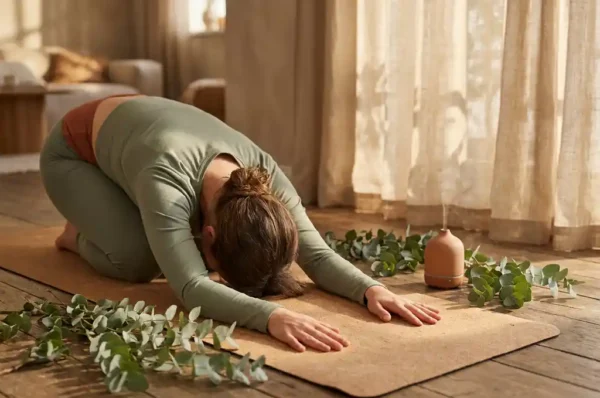
Tightness in the hips and hamstrings is a major driver of lower back pain because these muscles pull on the pelvis and alter spinal alignment. Child’s Pose, Pigeon Prep, and seated forward folds with a neutral spine help release this tension gradually. Supine Twist is particularly valued for gently mobilizing the thoracic spine and relieving the muscular tightness that builds up from prolonged sitting.
Practicing on a supportive surface also makes a meaningful difference. A yoga mat with adequate cushioning and grip helps you maintain stable alignment throughout transitions, reducing the micro-adjustments that can strain an already sensitive back.
Should you practice Vinyasa yoga if you have a herniated disc?
You can practice Vinyasa yoga with a herniated disc, but only with medical clearance and significant modifications. A herniated disc means that the soft tissue between spinal vertebrae is pressing on nearby nerves, and certain movements, particularly deep forward folds, spinal flexion under load, and aggressive twists, can aggravate this condition significantly.
If your doctor or physiotherapist has given you the go-ahead to exercise, a gentle, well-supervised Vinyasa practice can actually support recovery. Movement encourages circulation to the spinal discs, which have limited blood supply and rely on movement to receive nutrients. Strengthening the surrounding musculature also reduces the load the discs must bear.
The modifications that matter most for herniated disc sufferers include avoiding deep forward folds that round the lower back, favouring extension-based movements like Cobra over full backbends, and keeping transitions slow and controlled rather than flowing quickly between poses. Working one-on-one with a yoga teacher experienced in therapeutic yoga is strongly recommended over joining a standard flow class where the pace may not allow for careful adaptation.
If you experience any increase in radiating pain, numbness, or tingling during or after practice, stop and consult your healthcare provider before continuing.
How often should you do Vinyasa yoga to see back pain benefits?
Practicing Vinyasa yoga two to three times per week is generally enough to see meaningful improvements in back pain over four to eight weeks. Consistency matters more than frequency, and shorter, regular sessions tend to produce better results than infrequent longer ones because the body adapts gradually through repeated exposure.
In the early stages, especially if your back pain is acute or you are returning after an injury, starting with two shorter sessions per week allows your body to adapt without overloading recovering tissues. As your strength and flexibility improve, you can increase frequency or session length progressively.
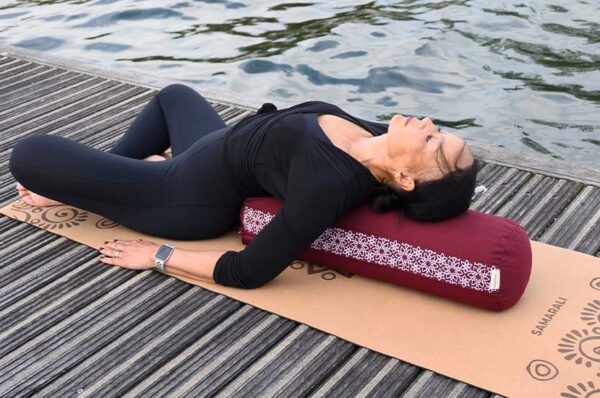
Rest days are equally important. The muscles and connective tissue supporting the spine need time to recover and rebuild between sessions. On rest days, gentle walking or restorative practices like supported poses using a yoga bolster can maintain mobility without adding stress to the back.
The most reliable sign that your practice frequency is working is a gradual reduction in the duration and intensity of back pain episodes, improved posture during daily activities, and greater ease of movement in the poses themselves. If pain persists or worsens after several weeks of consistent practice, it is worth revisiting your technique with a teacher or consulting a physiotherapist to rule out an underlying issue that requires a different approach.
Frequently Asked Questions
Is Vinyasa yoga safe for lower back pain, or should I choose a gentler style like Yin or Restorative yoga instead?
Both can be beneficial, and the right choice depends on your specific condition and fitness level. Vinyasa yoga has the added advantage of building strength and stability in the muscles that support the spine, which passive styles like Yin or Restorative yoga do not address as directly. If your back pain is acute or severe, starting with a gentler style while you recover is sensible, then gradually transitioning to a modified Vinyasa practice as your body allows. Many people find that combining both approaches — using Vinyasa for strengthening and restorative practices for recovery days — produces the best long-term results.
How do I know if my back pain is being helped or aggravated by my Vinyasa practice?
A helpful rule of thumb is to track how your back feels 24 to 48 hours after each session, not just immediately afterwards. Productive discomfort typically feels like mild muscle soreness that fades within a day or two, whereas aggravation tends to present as increased stiffness, sharp or radiating pain, or symptoms that linger or worsen over time. Keeping a simple practice journal noting your pain levels before and after sessions can reveal clear patterns. If you consistently feel worse after practice rather than better, that is a strong signal to modify your approach or seek guidance from a physiotherapist or experienced yoga teacher.
What are the most common mistakes people with back pain make in Vinyasa yoga?
The most frequent mistake is prioritising keeping up with the pace of the class over maintaining safe alignment, particularly in transitions like Chaturanga to Upward-Facing Dog where the lower back is highly vulnerable. Another common error is skipping warm-up sequences and jumping straight into deeper poses before the spine and surrounding muscles are adequately prepared. Many practitioners also neglect to engage their core throughout the flow, treating it as something to activate only in dedicated core poses rather than as a constant stabilising foundation. Finally, ignoring early warning signs of pain and pushing through discomfort in the hope it will resolve itself is a mistake that frequently turns a minor issue into a more serious one.
Are there any Vinyasa poses I should avoid entirely if I have back pain?
Rather than avoiding poses entirely, the more useful approach is to modify them based on your specific condition — but there are some movements that commonly need to be skipped or significantly altered. Full Wheel (Urdhva Dhanurasana) and other deep backbends place intense compression on the lumbar spine and are best avoided until you have built substantial core strength and spinal mobility under the guidance of a teacher. Seated forward folds performed with a rounded lower back, unsupported Boat Pose, and any pose that causes sharp or radiating pain should be set aside. A qualified yoga teacher can help you identify appropriate substitutions that achieve similar benefits without the same risk.
Do I need any special props or equipment to practice Vinyasa yoga safely with back pain?
A high-quality yoga mat with good cushioning and grip is the most important piece of equipment, as it supports stable alignment and reduces the impact on your spine during transitions. Yoga blocks are invaluable for making forward folds more accessible without rounding the lower back, and a yoga strap can help you maintain a neutral spine in seated poses where tight hamstrings would otherwise pull the pelvis into a harmful tilt. A bolster is particularly useful for restorative poses on recovery days, providing passive support that allows the muscles around the spine to fully release. Starting your practice with these props available — rather than treating them as a sign of limitation — makes a significant difference in both safety and effectiveness.
Should I tell my Vinyasa yoga teacher about my back pain before class?
Yes, always inform your teacher before class, even if your back pain feels manageable that day. A knowledgeable teacher will be able to offer you real-time modifications, keep an eye on your alignment in poses that are higher risk for the back, and adjust hands-on assists to avoid movements that could aggravate your condition. If you are attending a large group class where individual attention is limited, consider booking a few one-on-one sessions first to learn the modifications specific to your condition before joining a flow setting. Being open about your symptoms is not a burden to the teacher — it is essential information that allows them to do their job properly.
Can Vinyasa yoga replace physical therapy or medical treatment for back pain?
No — Vinyasa yoga is best understood as a complementary practice that supports, rather than replaces, professional medical treatment. If your back pain has a diagnosed cause such as a herniated disc, spinal stenosis, or scoliosis, working with a physiotherapist or specialist remains essential for addressing the underlying condition. Yoga can reinforce the progress made in physical therapy by building the strength, flexibility, and body awareness that protect against re-injury, but it is not a substitute for clinical assessment and treatment. Always get medical clearance before starting or resuming a yoga practice after an injury, and keep your healthcare provider informed of any changes in your symptoms.
Ready to support your practice with the right equipment? At Samarali, you will find everything you need to practice Vinyasa yoga safely and comfortably — from a natural rubber yoga mat that provides the grip and cushioning your spine deserves, to a yoga bolster perfect for restorative recovery sessions. Whether you are building strength, releasing tension, or simply creating a more mindful space to move, the right props make all the difference. Shop the yoga mat collection and explore everything Samarali has to offer — your back will thank you.