


Creating a calming Christmas morning ritual with your yoga mat starts with rolling it out before the chaos begins. A short, intentional practice of 15 to 30 minutes, combining gentle movement, breathwork, and stillness, gives you a grounded, present foundation for the entire day. The sections below cover everything from the best poses to timing, atmosphere, and how to fit practice around the festivities.
What yoga poses work best for a calm Christmas morning?
The best yoga poses for a calm Christmas morning are slow, floor-based postures that release tension without demanding too much energy. Think Child’s Pose, Supine Twist, Cat-Cow, and Legs Up the Wall. These poses activate the parasympathetic nervous system, ease overnight stiffness, and settle the mind before a busy, stimulating day.
Here is a simple sequence that works beautifully as a holiday morning yoga practice:
- Child’s Pose (Balasana), hold for 1 to 2 minutes to gently decompress the spine and signal rest to the nervous system.
- Cat-Cow (Marjaryasana-Bitilasana), 8 to 10 slow rounds to warm the spine and synchronise breath with movement.
- Supine Twist (Supta Matsyendrasana), hold each side for 90 seconds to release the lower back and hips.
- Legs Up the Wall (Viparita Karani), 3 to 5 minutes to calm the nervous system and reduce any residual fatigue.
- Seated Forward Fold (Paschimottanasana), a gentle, unhurried stretch to close the active portion of practice.
- Savasana, at least 3 minutes of complete stillness to integrate the practice.
This sequence requires no advanced flexibility and works on any supportive surface. A good yoga mat makes a real difference here, especially during floor-based holds where grip and cushioning matter most. If you want extra comfort for poses like Legs Up the Wall or Savasana, placing a folded blanket or bolster beneath your hips turns a simple stretch into something genuinely restorative.
How long should a Christmas morning yoga ritual actually be?
A Christmas morning yoga ritual should be between 15 and 30 minutes. This is long enough to shift your nervous system into a calm, present state but short enough to fit comfortably before gifts, cooking, or family time. A focused 20-minute session consistently delivers more benefit than a rushed 60-minute one.
The key is protecting that window rather than extending it. On a day with competing demands, a shorter practice you actually complete is far more valuable than an ambitious one you skip or cut short. If 15 minutes is all you have, use it fully:
- 5 minutes of breathwork or pranayama to arrive and settle
- 10 minutes of gentle movement through the sequence above
- 3 to 5 minutes of Savasana or seated stillness
If you have more space in the morning, extending to 30 minutes allows for a longer meditation or a few additional postures. Beyond that, the returns diminish on a busy holiday morning, and the practice risks feeling like an obligation rather than a gift to yourself.
How do you set the mood for a mindful holiday morning practice?
Setting the mood for a mindful holiday morning practice means creating a sensory environment that signals calm before you take a single breath. Dim lighting, a warm space, quiet or soft ambient sound, and a tidy practice area all prime your nervous system for stillness. The environment does half the work before the practice even begins.
A few simple steps make a meaningful difference:
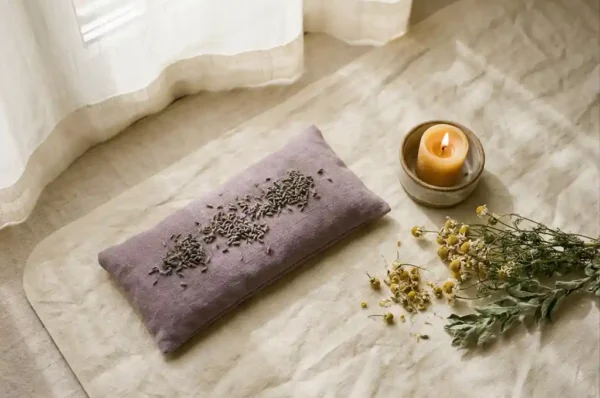
- Light a candle or use warm lighting. Bright overhead lights activate alertness. Softer light encourages the inward, reflective quality that makes a Christmas morning yoga session feel special.
- Choose your sound intentionally. Silence works well if the house is quiet. Gentle instrumental music, nature sounds, or a soft holiday playlist can also support focus without becoming a distraction.
- Prepare your space the night before. Roll out your mat, set a blanket nearby, and place any props you plan to use. Removing setup friction means you are more likely to actually practice.
- Add a seasonal scent. Cedarwood, frankincense, or orange essential oils connect the senses to the season while supporting a calm, meditative state.
- Set a clear intention. Before your first pose, take a moment to name what you want to carry through the day, whether that is patience, presence, or simple gratitude.
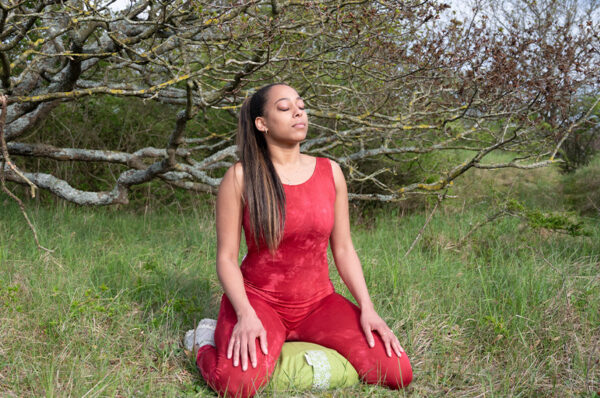
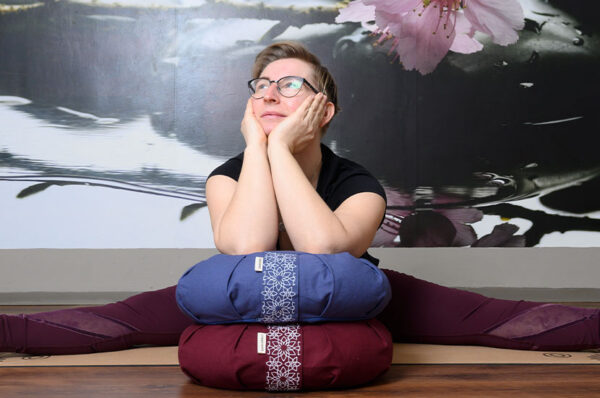
If you practice with a yoga bolster or meditation cushion, having it within reach adds both comfort and a visual cue that this space is for stillness. The ritual of arranging your practice space is itself a mindful act that begins the calming process before you ever step onto the mat.
Should you do yoga before or after Christmas morning festivities?
You should do yoga before Christmas morning festivities, not after. Practicing before gift-giving, cooking, or family gatherings means you bring calm, presence, and patience into those moments rather than trying to recover from them. A yoga mat morning routine acts as an anchor that shapes the emotional tone of the entire day.
The reasoning is straightforward. Christmas mornings tend to escalate quickly in noise, stimulation, and social energy. If you wait until after the festivities to practice, several things typically happen:
- The practice gets pushed back or skipped entirely as the day fills up
- You arrive on the mat already overstimulated, making it harder to settle
- The calming benefits arrive too late to influence the moments that needed them most
Practicing first, even briefly, means you navigate the day from a regulated, grounded place. This is especially true for parents, hosts, and anyone who carries a lot of responsibility on the day.
If waking early is not realistic, a short breathwork session before the main festivities begin is a workable alternative. Five minutes of slow, counted breathing achieves a measurable shift in nervous system state and requires nothing more than a quiet corner and a few minutes of intention. The goal of a calming Christmas ritual is not perfection. It is presence, and even a small, consistent practice before the day unfolds makes that presence far more accessible.
Frequently Asked Questions
Can complete beginners follow a Christmas morning yoga ritual, or is some experience needed?
Complete beginners can absolutely follow a Christmas morning yoga ritual. The sequence outlined in this post — Child’s Pose, Cat-Cow, Supine Twist, Legs Up the Wall, and Savasana — requires no prior yoga experience, no advanced flexibility, and no special skills. The most important thing is moving slowly and listening to your body rather than pushing into any discomfort. If you are brand new to yoga, consider watching a short tutorial video for each pose the evening before so you feel confident with the shapes before Christmas morning arrives.
What if other people in the house are awake and the environment is already noisy or chaotic?
A noisy environment makes the practice more challenging but not impossible. Try waking 20 to 30 minutes before the rest of the household, which is often the simplest solution on Christmas morning. If that is not realistic, use noise-cancelling headphones with calming music or a guided meditation to create an inner sense of quiet even when the outer environment is not cooperating. Communicating to family members that you need a short, uninterrupted window — even just 15 minutes — is also a reasonable and worthwhile boundary to set.
Is it okay to eat or drink before a Christmas morning yoga session?
A light drink before practice is perfectly fine and often helpful — a small glass of warm water or herbal tea supports digestion and gently wakes the body without weighing it down. Avoid a full meal immediately before practice, as floor-based poses like Supine Twist and forward folds can feel uncomfortable on a full stomach. If you practice early in the morning before breakfast, this is rarely an issue, since most people are not hungry immediately upon waking.
How do I stay consistent with a holiday yoga ritual when the entire festive season is unpredictable?
The key to consistency during the festive season is reducing the barrier to entry as much as possible. Prepare your mat and props the night before, commit to a minimum viable practice of just 10 minutes rather than an ideal 30, and treat the ritual as non-negotiable rather than optional. Attaching the practice to an existing habit — such as doing it immediately after your first cup of tea or coffee — also makes it far easier to maintain across unpredictable holiday days. Progress over perfection is the right mindset here; a short daily practice consistently beats a long practice done occasionally.
Can I include my children or other family members in a Christmas morning yoga session?
Yes, and for many families this can become a genuinely joyful shared ritual. Keep the session short (10 to 15 minutes), use simple, playful pose names where possible, and frame it as a fun activity rather than a structured practice. Poses like Cat-Cow, Child’s Pose, and Legs Up the Wall are accessible and often amusing for children. That said, if your goal is a truly calming, meditative practice for yourself, it may be worth having a brief solo session before the family version — the two serve different purposes and both have real value.
What are the most common mistakes people make when starting a holiday morning yoga ritual?
The most common mistake is over-planning an ambitious session that the reality of Christmas morning cannot support, leading to the practice being skipped entirely. Other frequent pitfalls include skipping Savasana to save time (which removes much of the integration benefit), practicing on a cold floor without adequate props or a quality mat, and failing to set the space up in advance so that setup friction becomes an excuse not to start. Keep the plan simple, protect the time boundary firmly, and treat even the shortest version of the practice as a complete success.
Are there any modifications for people with injuries or physical limitations who want to join in?
Most of the poses in a gentle Christmas morning sequence can be modified for common injuries or limitations. For lower back sensitivities, keep the knees bent in forward folds and place a bolster under the hips in Savasana. For knee discomfort in Child’s Pose, place a folded blanket between the thighs and calves to reduce compression. For wrist issues, Cat-Cow can be performed on fists or forearms rather than flat palms. When in doubt, prioritise breathwork and stillness — even 15 minutes of intentional breathing while lying comfortably delivers meaningful nervous system benefits without any physical strain.