


Practising gratitude during the holiday season means intentionally pausing to notice and appreciate what is good in your life, even when the pace of the season feels relentless. It does not require grand gestures or perfect conditions. Simple, consistent habits like writing down three things you are thankful for each day can meaningfully shift your perspective and help you enjoy the season more fully. Below, we answer the most common questions about building a gratitude practice that actually works during the holidays.
What Are Simple Ways to Practise Gratitude During the Holidays?
Simple ways to practise gratitude during the holiday season include keeping a daily gratitude journal, sending handwritten notes to people who matter to you, pausing before meals to reflect on what you are thankful for, and taking short mindful walks where you notice the beauty around you. These habits take minutes but create a lasting shift in how you experience the season.
You do not need a complicated system to build a meaningful gratitude practice. The most effective approaches are the ones you will actually do consistently. Here are a few ideas to get you started:
- Morning gratitude journaling: Before checking your phone, write down three specific things you appreciate. The more concrete, the better. “I am grateful for the warmth of my morning tea” lands more powerfully than “I am grateful for my life.”
- Gratitude texts or notes: Send one person a short message each day telling them something you genuinely value about them. This doubles the benefit by spreading warmth to others.
- Mindful moments before meals: The holiday table is a natural gathering point. Use it as a prompt to silently acknowledge something good before eating.
- Evening reflection: At the end of the day, identify one moment that brought you genuine joy, no matter how small.
Pairing a gratitude ritual with an existing habit, such as your morning meditation practice or your evening wind-down, makes it far easier to sustain. The key is lowering the barrier to entry so the habit sticks even on the busiest days.
How Does Gratitude Affect Your Wellbeing During Stressful Times?
Gratitude affects your wellbeing during stressful times by redirecting your attention away from what is wrong and toward what is working. This shift is not about ignoring difficulties. It is about training your mind to hold a broader view of your situation, which reduces the intensity of stress and supports emotional resilience when pressure builds.
The holiday season brings a particular kind of stress: financial pressure, family dynamics, packed schedules, and the gap between how things are supposed to feel and how they actually feel. Gratitude does not erase those pressures, but it changes how you relate to them.
When you regularly acknowledge what you appreciate, you activate a more balanced mental state. You start noticing positive moments that stress would otherwise cause you to overlook. Over time, this builds a kind of emotional buffer. You become less reactive to setbacks because your baseline sense of what is good in your life feels more solid.
Gratitude also strengthens social connection, which is one of the most powerful buffers against stress. When you express appreciation to the people around you, it deepens your relationships and reminds you that you are supported, even during chaotic times.
How Can You Stay Grateful When the Holidays Feel Overwhelming?
When the holidays feel overwhelming, you can stay grateful by simplifying your gratitude practice to its smallest possible form, accepting that some days will be harder than others, and anchoring your practice to physical moments of stillness rather than waiting for the right emotional state. Gratitude does not require you to feel good. It works even when things are hard.
Overwhelm often comes from trying to do too much, and ironically, a gratitude practice can become one more thing on your list if you are not careful. The antidote is to make it smaller, not bigger. On difficult days, one sentence in a journal is enough. One deep breath where you notice something you are glad exists is enough.
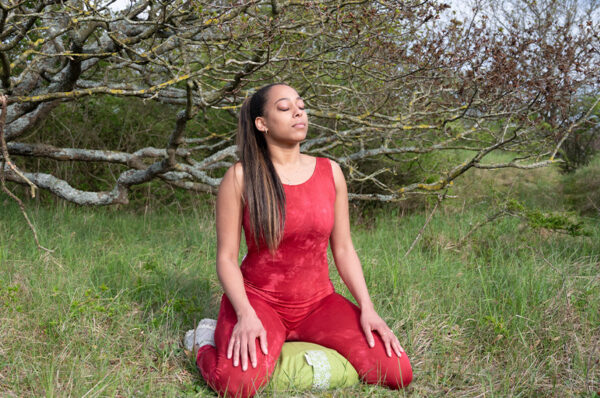
Physical anchors are particularly helpful here. Sitting quietly on a meditation cushion for even five minutes creates a container of stillness that makes reflection feel natural rather than forced. The act of sitting down and being still signals to your nervous system that it is safe to slow down, which is exactly when gratitude becomes accessible again.
It also helps to lower your expectations of what gratitude should look like. You do not need to feel flooded with warmth. Simply naming something true and good, however small, is a complete practice. “I am grateful the queue moved quickly.” “I am grateful it stopped raining.” These small acknowledgements add up.
What Gratitude Rituals Can You Share With Others During the Season?
Gratitude rituals you can share with others during the holiday season include a group appreciation circle at the dinner table, writing and exchanging gratitude letters, creating a shared gratitude jar where everyone adds notes throughout the season, and going on a slow, intentional walk together where you each name something you are thankful for. Shared rituals multiply the effect because they build connection alongside awareness.
The holiday season is one of the few times of year when many people gather in the same space. That creates a genuine opportunity to make gratitude a collective experience rather than a private one. Here are a few rituals that work well in groups:
- The appreciation circle: Before a holiday meal, go around the table and invite each person to share one thing they are grateful for this year. Keep it brief and pressure-free. Even young children can participate.
- The gratitude jar: Place a jar and small slips of paper somewhere central in the home. Throughout the season, family members and guests add notes about things they appreciate. Read them aloud together on a chosen evening.
- Gratitude letters: Set aside time with friends or family to each write a short letter to someone who has positively influenced your year. You can share them, send them, or simply write them as a reflective exercise.
- A mindful walk: Step away from the noise of the season for a slow walk together. Take turns naming one thing you notice and appreciate in your surroundings. This grounds everyone in the present moment and creates a shared sense of calm.
Shared gratitude rituals are especially powerful because they shift the tone of gatherings from performance and obligation toward genuine presence. When people feel seen and appreciated, the whole atmosphere of the season changes. Starting small, with just one ritual at one gathering, is more than enough to make this holiday season feel more meaningful and connected.
Frequently Asked Questions
How long does it take before a gratitude practice starts making a noticeable difference?
Most people begin to notice a subtle shift in perspective within one to two weeks of consistent daily practice, though research suggests that four to eight weeks of regular gratitude journaling produces more lasting changes in mood and emotional resilience. The key word here is consistent — even a brief daily practice outperforms an intensive but irregular one. Start small, stay steady, and trust that the cumulative effect is building even on the days it does not feel like much.
What if I struggle to feel genuine gratitude and it just feels forced or hollow?
Feeling like your gratitude practice is going through the motions is extremely common, especially at first or during particularly hard seasons. The solution is not to push harder for the feeling, but to get more specific and sensory with what you write or say — focus on something you can see, taste, hear, or physically feel right now. Authenticity comes from specificity, not from emotional intensity. Over time, the genuine feeling tends to follow the habit, not the other way around.
Can gratitude practices actually help with holiday anxiety and not just general stress?
Yes — gratitude practices are particularly well-suited to holiday anxiety because they counteract two of its main drivers: future-focused worry and social comparison. By repeatedly anchoring your attention to what is present and good right now, you interrupt the mental loop of ‘what still needs to be done’ or ‘how this compares to last year.’ Pairing a brief gratitude moment with a known anxiety trigger — such as checking your to-do list or scrolling social media — can be especially effective at breaking the cycle.
How do I introduce a gratitude ritual to family members who might be resistant or skeptical?
The most effective approach is to lead quietly rather than announce a new practice — simply start doing it yourself and invite others to join without pressure. Framing it casually, such as saying ‘I thought it might be nice if we each shared one good thing before we eat,’ lowers resistance far more than presenting it as a wellness exercise. Keep the first attempt brief and light-hearted, and let participation be genuinely optional. Skeptical family members are far more likely to engage when they see it is low-stakes and not performative.
Are there any common mistakes people make when starting a holiday gratitude practice?
The most common mistake is setting the bar too high from the start — committing to long journal entries, elaborate rituals, or daily practices that are difficult to maintain through a packed holiday schedule. Another frequent pitfall is being too vague, writing things like ‘I am grateful for my family’ every day, which quickly loses its impact. Aim for brevity, specificity, and consistency over depth and perfection. A single honest sentence written every day is worth far more than a beautifully detailed entry written once a week.
What tools or resources can help me build and maintain a gratitude habit during the holidays?
A simple notebook kept on your bedside table or kitchen counter is often the most effective tool because visibility drives consistency. If you prefer digital options, apps like Grateful, Reflectly, or the journal feature in Calm can send daily reminders and store your entries over time. For a more mindful, embodied practice, pairing your gratitude reflection with a few minutes on a meditation cushion or a short breathing exercise helps create a ritual that feels grounding rather than like another task to tick off.
How can I carry the gratitude habits I build during the holidays into the rest of the year?
The holiday season is actually an ideal launchpad for a year-round practice because the heightened emotions of the season — both positive and difficult — make gratitude feel more relevant and immediate. To carry the habit forward, keep your practice attached to the same daily anchor you used during the holidays, whether that is morning coffee, a meditation session, or an evening wind-down. Reviewing your gratitude entries from the holiday period in January can also serve as a meaningful reminder of what the practice gave you, which reinforces your motivation to continue.