


Yes, meditation can reduce stress. Regular practice activates the body’s relaxation response, lowering cortisol levels and calming the nervous system in measurable ways. It works for most people regardless of experience level, and even short daily sessions can make a real difference. Below, we unpack the key questions people have about meditation and stress relief.
How does meditation actually reduce stress in the body?
Meditation reduces stress by shifting the nervous system out of its fight-or-flight state and into a calmer, more regulated mode. When you meditate, your brain signals the body to slow the heart rate, lower blood pressure, and reduce the production of cortisol, the primary stress hormone. This physical response is the foundation of meditation basics and explains why the practice has such a tangible effect on how you feel.
The key mechanism is the activation of the parasympathetic nervous system, sometimes called the rest-and-digest system. In everyday life, modern stressors like work pressure, digital overload, and busy schedules keep many people stuck in a low-level stress response. Meditation interrupts that cycle by giving the mind a focused anchor, whether that is the breath, a mantra, or a body scan, which signals safety to the nervous system.
Over time, consistent practice also changes how the brain processes stress. The prefrontal cortex, which governs rational thinking and emotional regulation, becomes more active, while the amygdala, the brain’s alarm center, becomes less reactive. This means that with regular meditation, you do not just feel calmer during a session. You gradually become less triggered by stressors throughout your day.
What types of meditation are most effective for stress relief?
The most effective types of meditation for stress relief are mindfulness meditation, breath-focused meditation, and body scan meditation. These approaches share a common thread: they direct attention away from anxious thoughts and toward present-moment experience, which directly interrupts the stress response. Guided meditation and loving-kindness practices also show strong results for people dealing with emotional stress or burnout.
Mindfulness meditation
Mindfulness meditation involves observing your thoughts, feelings, and sensations without judgment. Instead of trying to stop stressful thoughts, you simply notice them and let them pass. This non-reactive awareness is one of the most researched approaches to stress reduction and forms the basis of many clinical mindfulness programs used in healthcare settings.
Breath-focused and body scan meditation
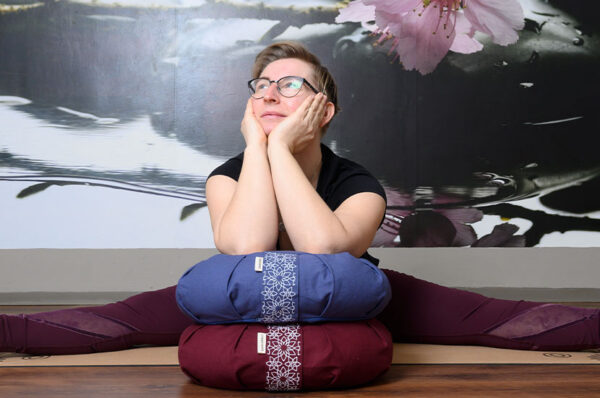
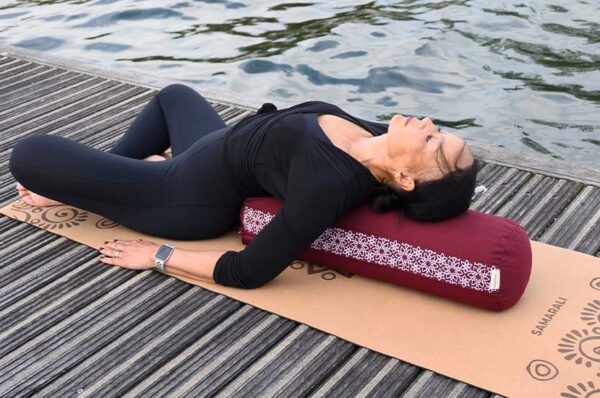
Breath-focused meditation uses the rhythm of your breathing as an anchor for attention. It is simple to learn and highly effective, making it a natural starting point for meditation basics. Body scan meditation takes a slightly different approach, guiding your awareness through different parts of the body to release physical tension. Both are particularly useful when stress is showing up as tightness, shallow breathing, or restlessness in the body. Practicing on a supportive surface, like one of our meditation cushions, can help you settle into these practices more comfortably.
How long do you need to meditate to feel less stressed?
You can begin to feel less stressed after just one meditation session, but consistent practice over two to four weeks produces more lasting results. Most people notice meaningful changes in their stress levels with as little as ten minutes of daily meditation. The key is regularity rather than duration. A short daily practice outperforms occasional long sessions.
For beginners exploring meditation basics, starting with five to ten minutes each morning is a realistic and effective approach. As the habit becomes established, you can extend sessions naturally. Many experienced practitioners meditate for twenty to thirty minutes daily, but this is not a requirement for stress relief benefits.
The timing within your day also matters. Meditating in the morning helps set a calmer tone before stress accumulates. A short session at midday can reset your nervous system during a demanding workday. Even a brief evening practice can help the body transition out of stress mode before sleep. The best time is simply the one you can stick to consistently.
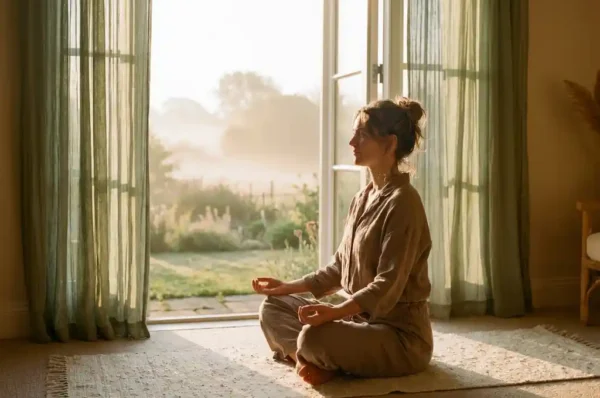
If you find it hard to sit still or stay focused, a structured physical space can help. Having a dedicated spot with a comfortable meditation mat signals to your brain that it is time to slow down, which makes it easier to settle into practice quickly.
Can meditation replace other stress management strategies?
Meditation is a powerful tool for managing stress, but it works best as part of a broader approach rather than as a standalone replacement. It complements strategies like regular physical movement, quality sleep, social connection, and healthy nutrition. Thinking of meditation as one pillar of a stress management routine, rather than the entire structure, gives you the most resilient foundation.
That said, meditation does offer something that many other strategies do not: the ability to change how you relate to stress itself. Exercise, for example, helps discharge physical tension, but it does not necessarily rewire your habitual thought patterns. Meditation, practiced consistently, builds a kind of inner steadiness that makes stressors feel less overwhelming over time.
For people dealing with clinical anxiety, chronic stress, or trauma, meditation is a valuable support tool but is not a substitute for professional care. It pairs well with therapy, particularly approaches like cognitive behavioral therapy, because both work on reshaping how the mind responds to difficult experiences.
The most grounded approach to stress management in 2026 treats meditation as a daily non-negotiable, much like brushing your teeth, while also honoring the other areas of life that influence well-being. When meditation becomes a consistent part of your routine, its benefits extend far beyond the cushion and into how you navigate everything else.
If you are ready to build or deepen your practice, having the right tools makes it easier to stay consistent. At Samarali, you will find everything you need to create a calm, dedicated space — from a supportive meditation mat and comfortable meditation cushions to complete meditation sets designed to help you settle in and show up every day. Shop the meditation collection and find what supports your practice best.
Frequently Asked Questions
I've tried meditation before and couldn't stop my mind from wandering — does that mean it's not working?
A wandering mind is not a sign that meditation is failing — it is actually the practice itself. The moment you notice your mind has drifted and gently bring it back is where the real training happens. Over time, this repeated act of returning attention is exactly what strengthens the prefrontal cortex and builds the mental steadiness that reduces stress. Even experienced meditators deal with a busy mind; the difference is they no longer judge it as a problem.
What is the best type of meditation to start with if I have never meditated before?
Breath-focused meditation is the most accessible starting point for beginners because it requires no special knowledge, apps, or equipment — just a few minutes and your own breathing. Sit comfortably, close your eyes, and focus on the natural rhythm of each inhale and exhale. If guided structure helps you stay on track, free apps like Insight Timer or Calm offer beginner-friendly sessions of five to ten minutes that walk you through the process step by step.
Can meditation make stress or anxiety worse, especially at the beginning?
For some people, especially those dealing with trauma or high anxiety, sitting quietly with their thoughts can initially feel uncomfortable or even intensifying. This is a recognized phenomenon sometimes called ‘meditation-induced anxiety,’ and it does not mean meditation is wrong for you. Starting with very short sessions of two to three minutes, using guided audio, or trying movement-based mindfulness like mindful walking can ease this transition. If discomfort persists, it is worth discussing meditation as a complementary tool with a mental health professional.
How do I stay consistent with meditation when my schedule is unpredictable or I keep forgetting?
The most reliable strategy is habit stacking — attaching your meditation practice to an existing daily habit, such as right after your morning coffee or immediately before brushing your teeth at night. Keeping your meditation space visible and ready, such as a cushion or mat left out in a dedicated corner, also reduces the friction that leads to skipped sessions. If you miss a day, the key is simply resuming the next day without self-criticism; consistency over weeks matters far more than perfection on any given day.
Is there a difference between meditating with an app versus meditating on my own, and which is better for stress relief?
Both approaches are effective, and the best choice depends on your experience level and learning style. Guided app-based meditation is particularly helpful for beginners because it provides structure, pacing, and a sense of accountability. As your practice matures, unguided meditation can deepen your ability to self-regulate, since you are no longer relying on external cues to stay anchored. Many practitioners use a blend of both — guided sessions during stressful periods and unguided practice when they want a quieter, more personal experience.
Does the physical environment where I meditate actually matter for stress relief outcomes?
Your environment has a meaningful impact, particularly in the early stages of building a practice. A consistent, calm, and comfortable space helps train your brain to associate that setting with relaxation, making it easier and faster to shift into a parasympathetic state each time you sit down. Reducing sensory distractions — noise, clutter, uncomfortable seating — lowers the effort required to settle the mind. Over time, experienced practitioners can meditate almost anywhere, but starting in a dedicated, supportive space significantly improves both consistency and depth of practice.
How do I know if my meditation practice is actually working to reduce my stress levels?
Progress in meditation is often subtle and shows up outside of sessions rather than during them. Practical signs that your practice is working include reacting less intensely to everyday frustrations, recovering from stressful moments more quickly, sleeping more soundly, and noticing tension in your body before it escalates. Keeping a brief journal where you rate your stress levels and mood each day can make these gradual shifts more visible and help you stay motivated as you build your practice.