


Breathwork is absolutely suitable for beginners. Most breathwork techniques are simple, require no equipment, and can be practiced safely at home from day one. The key is to start with gentle, foundational techniques rather than jumping into intense, advanced practices. Below, we cover the most common beginner questions so you can start with confidence.
What types of breathwork are easiest for beginners?
The easiest breathwork techniques for beginners are diaphragmatic breathing, box breathing, and the 4-7-8 method. These techniques are straightforward to learn, require no prior experience, and produce noticeable calming effects within a single session. They form the foundation of most breathwork practices and are widely used in yoga, meditation, and stress management.
Diaphragmatic breathing
Also called belly breathing, this is the most natural starting point. You breathe deeply into the belly rather than the chest, fully activating the diaphragm. Place one hand on your chest and one on your belly, then inhale slowly through your nose. If your belly rises more than your chest, you are doing it correctly. This technique alone can significantly reduce tension and is a core component of most yoga practices.
Box breathing and the 4-7-8 method
Box breathing involves inhaling for four counts, holding for four, exhaling for four, and holding again for four. It is structured and easy to remember, making it ideal for beginners who want a clear rhythm to follow. The 4-7-8 method follows a similar pattern but with a longer exhale, which many people find particularly effective for winding down before sleep or a meditation session.
What does breathwork actually do to your body?
Breathwork directly influences your nervous system by shifting the body from a stress response into a state of calm. Slow, controlled breathing activates the parasympathetic nervous system, which lowers heart rate, reduces cortisol levels, and promotes a sense of relaxation and mental clarity. Even a few minutes of intentional breathing can create measurable changes in how your body feels.
Beyond the immediate calming effect, regular breathwork practice supports better oxygen circulation throughout the body. When you breathe shallowly, as most people do during stress or desk work, your body receives less oxygen than it needs. Deliberate deep breathing corrects this pattern, improving energy levels, focus, and even digestion over time.
Breathwork also plays a role in emotional regulation. Controlled breathing helps interrupt the automatic stress cycle, giving you a practical tool for managing anxiety, frustration, or overwhelm in real time. This is one reason breathwork is so often paired with yoga and mindfulness practices, as the physical and mental benefits reinforce each other.
Are there any risks beginners should know about?
Most beginner breathwork techniques carry very low risk when practiced gently and at a comfortable pace. However, some people experience lightheadedness, tingling in the hands, or mild dizziness, particularly when breathing more deeply than usual. These sensations are typically harmless and pass quickly, but they are a signal to slow down or return to normal breathing.
More intense breathwork styles, such as holotropic breathing or certain pranayama techniques involving breath retention, are not recommended for complete beginners without guidance. These practices can cause stronger physical and emotional responses that benefit from the support of an experienced teacher.
There are also a few situations where extra caution is warranted:
- Pregnancy
- Cardiovascular conditions or high blood pressure
- Epilepsy or a history of seizures
- Severe anxiety disorders or a history of trauma
- Recent surgery or respiratory illness
If any of these apply to you, it is worth consulting a healthcare professional before starting a breathwork practice. For the vast majority of healthy adults, though, gentle breathwork is a safe and accessible tool from the very first session.
How often should a beginner practice breathwork?
As a beginner, practicing breathwork for five to ten minutes daily is a realistic and effective starting point. Consistency matters far more than duration. Short daily sessions build the habit and allow your nervous system to adapt gradually, producing more lasting benefits than occasional longer sessions.
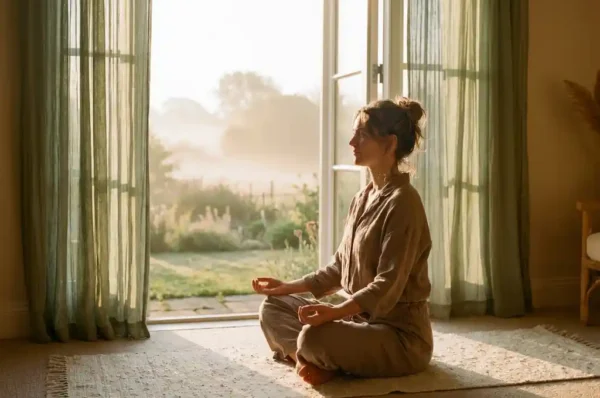
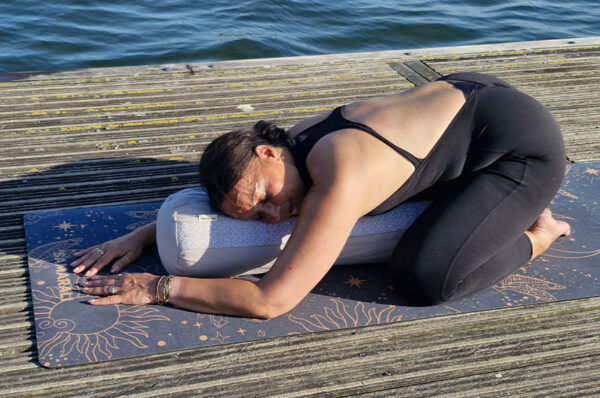
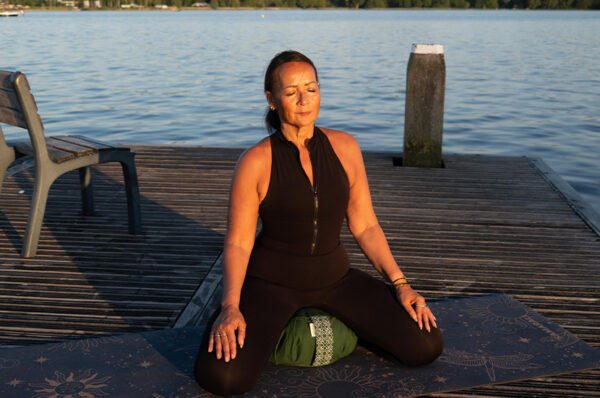
A practical approach is to attach breathwork to something you already do. Many people find it natural to practice for a few minutes in the morning before getting up, during a lunch break, or as part of a wind-down routine in the evening. Pairing it with a meditation cushion and a quiet space can help signal to your body that it is time to slow down and focus.
After two to four weeks of daily practice, most beginners notice that the techniques start to feel intuitive. At that point, you can begin exploring slightly longer sessions or new techniques with greater confidence. There is no fixed timeline for progression. The goal is to build a practice that feels sustainable and genuinely supportive of your well-being, not one that feels like another item on your to-do list.
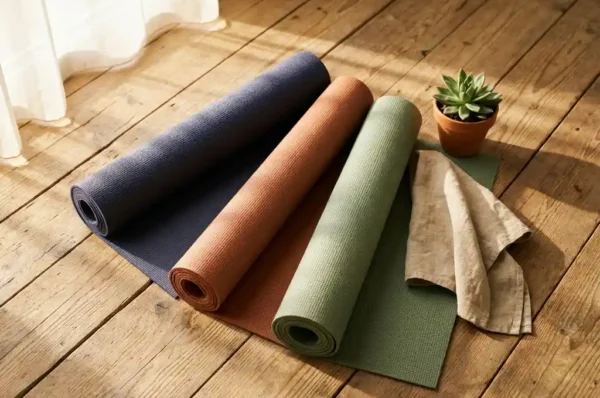
Ready to deepen your breathwork and meditation practice with the right support? At Samarali, you will find everything you need to create a calm, intentional space at home — from a meditation mat and meditation cushions to a yoga bolster and organic cotton yoga blanket for those longer, restorative sessions. Explore the full meditation collection and find what supports your practice best. Shop now at Samarali.
Frequently Asked Questions
Can I practice breathwork if I've never meditated or done yoga before?
Absolutely — breathwork requires no background in meditation or yoga whatsoever. It is actually one of the most accessible entry points into mindfulness-based practices because it gives you something concrete and physical to focus on: your breath. You do not need any special knowledge, flexibility, or prior experience to start benefiting from techniques like diaphragmatic breathing or box breathing from day one.
What's the best time of day to practice breathwork as a beginner?
There is no single ‘best’ time — it largely depends on your goal. Morning breathwork is excellent for setting a calm, focused tone for the day, while an evening session using a technique like the 4-7-8 method can help you wind down and improve sleep quality. The most important factor is choosing a time you can stick to consistently, even if it is just five minutes during a lunch break or right before bed.
How do I know if I'm doing breathwork correctly?
The most reliable sign that you are on the right track is a gradual sense of calm or mental clarity during or shortly after your session. For diaphragmatic breathing specifically, your belly should visibly rise and fall more than your chest. If you feel overly dizzy, short of breath, or anxious during a session, that is a signal to slow your pace, breathe more gently, or simply return to your natural rhythm — there is no need to push through discomfort, especially as a beginner.
Can breathwork help with sleep problems or anxiety?
Yes, and this is one of the most well-supported benefits of regular breathwork practice. Techniques that emphasize a longer exhale, like the 4-7-8 method, are particularly effective at calming the nervous system and preparing the body for sleep. For anxiety, the simple act of slowing and controlling your breath interrupts the stress response in real time, making breathwork a practical, drug-free tool you can use anywhere — at your desk, before a difficult conversation, or in the middle of a restless night.
What should I do if I feel dizzy or lightheaded during a session?
Stop the technique immediately and return to your normal, uncontrolled breathing. Sit or lie down if needed, and give yourself a minute or two to let the sensation pass — it almost always does quickly. Lightheadedness is usually caused by a temporary shift in carbon dioxide levels from breathing more deeply than usual, and it is not dangerous in healthy individuals. Going forward, try slowing your breath further, shortening your session, or practicing in a seated position rather than standing until you are more accustomed to the technique.
Are there any tools or props that can help me get started with breathwork?
Breathwork requires no equipment at all, which is part of what makes it so accessible. That said, a few simple additions can meaningfully improve your practice: a comfortable meditation cushion or yoga mat helps you maintain a relaxed, upright posture, a timer removes the distraction of clock-watching, and a quiet space with minimal interruptions makes it easier to stay focused. Some beginners also find guided breathwork audio or apps helpful for staying on rhythm, particularly when learning box breathing or the 4-7-8 method for the first time.
When should I consider working with a breathwork instructor rather than practicing on my own?
Self-guided practice is perfectly sufficient for the foundational techniques covered in this post, and most beginners do very well on their own. However, working with an instructor becomes genuinely valuable if you want to explore more advanced techniques such as holotropic breathing or extended pranayama, if you have a health condition that requires a tailored approach, or if you are using breathwork to process emotional trauma. A qualified instructor can ensure you are progressing safely, correct subtle technique issues, and introduce more powerful practices at the right pace for your individual needs.