


Yes, yoga nidra can genuinely help with emotional balance. This guided meditation practice works by bringing the body into a deeply relaxed state while the mind remains alert, creating the ideal conditions for emotional processing and nervous system regulation. The sections below explore exactly how this works and how to make the most of the practice.
How does yoga nidra affect the nervous system?
Yoga nidra directly activates the parasympathetic nervous system, shifting the body out of the stress-driven fight-or-flight response and into a state of rest and recovery. This shift lowers cortisol levels, slows the heart rate, and reduces muscular tension, creating the physiological conditions that allow emotional regulation to happen naturally.
During a yoga nidra session, the brain moves through distinct states of consciousness, from waking awareness down through the hypnagogic state that sits between waking and sleep. In this borderline state, the brain produces slower alpha and theta waves, similar to the patterns observed during deep meditation and light sleep. It is in these states that the nervous system has the greatest capacity to release stored tension, both physical and emotional.
What makes yoga nidra particularly effective is that it does not require effort or concentration. Unlike active meditation practices, you are guided into relaxation systematically, which means even people who struggle with anxiety or an overactive mind can access deep rest. Over time, regular practice trains the nervous system to return to balance more quickly after stressful events, building genuine emotional resilience rather than only temporary relief.
What emotions can yoga nidra help process?
Yoga nidra can help process a wide range of difficult emotions, including anxiety, grief, chronic stress, anger, and emotional numbness. Because the practice creates a safe, non-reactive inner space, it allows emotions that are usually suppressed or avoided to surface gently without overwhelming the practitioner.
One of the most powerful tools within yoga nidra is the use of a sankalpa, a short personal intention or resolve that is planted during the practice when the mind is most receptive. This intention works at a deeper level than conscious affirmation, helping to gradually shift entrenched emotional patterns over time.
The practice also includes a technique called bhavana, or the rotation of opposite feelings, where practitioners are guided to briefly experience pairs of contrasting emotions such as joy and sadness, or heaviness and lightness. Rather than avoiding difficult feelings, this approach builds the capacity to hold them with equanimity. Many people find this particularly useful when processing grief, emotional exhaustion, or the kind of low-level anxiety that accumulates through daily life.
It is worth noting that yoga nidra is a complementary tool rather than a replacement for professional mental health support. For acute emotional difficulties or trauma, working alongside a therapist is always advisable.
How often should you practice yoga nidra for emotional benefits?
For meaningful emotional benefits, practicing yoga nidra three to four times per week is a good starting point. Even a single 20 to 30 minute session can produce noticeable shifts in mood and stress levels, but consistency over several weeks is what leads to lasting emotional resilience and nervous system change.
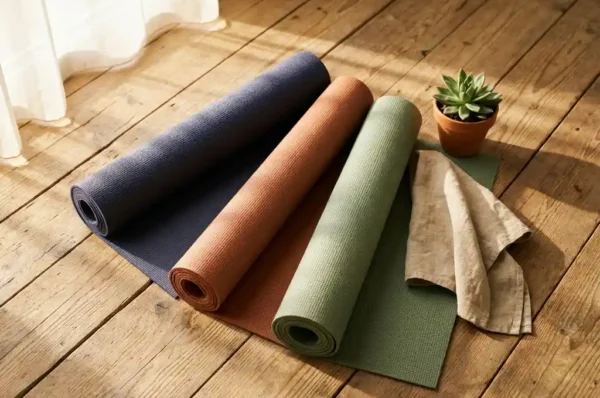
The good news is that yoga nidra is accessible regardless of your schedule or physical ability. You do not need a yoga mat or special equipment to practice, though having a comfortable surface and something to keep you warm, like an organic cotton yoga blanket, makes it easier to stay still and fully relax during longer sessions.
Short sessions of 15 to 20 minutes are genuinely effective, which means it is realistic to fit practice into a busy week. Many practitioners find that morning sessions help set an emotionally grounded tone for the day, while evening sessions support the release of accumulated tension before sleep. Experiment with timing and find what works best for your own rhythm.
Is yoga nidra better than meditation for emotional balance?
Yoga nidra is not necessarily better than meditation for emotional balance, but it is often more accessible, particularly for people who find traditional seated meditation difficult. Where conventional meditation asks you to actively focus or observe the mind, yoga nidra guides you into a receptive state systematically, which lowers the barrier to entry and makes deep relaxation achievable even for beginners.
The two practices complement each other well and work through slightly different mechanisms. Traditional mindfulness meditation builds the capacity to observe emotions as they arise in daily life, strengthening present-moment awareness. Yoga nidra, on the other hand, works more directly on the nervous system and the subconscious, making it particularly effective for releasing deeply held tension and emotional patterns that conscious attention alone may not easily reach.
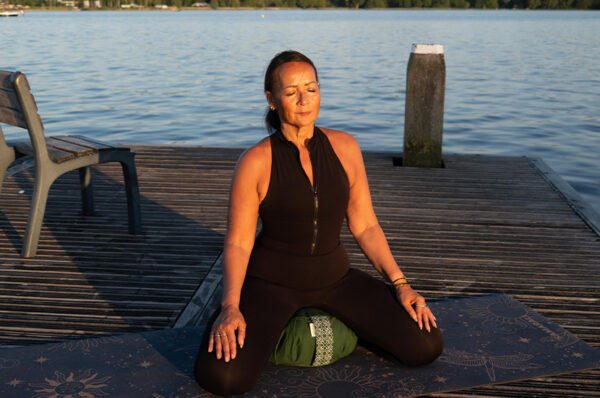
For those exploring both practices, creating a dedicated space at home can make a real difference to consistency. A supportive meditation setup encourages you to show up regularly, which is ultimately the most important factor in seeing emotional benefits from either practice.
If you are new to both and unsure where to start, yoga nidra is often the gentler entry point. Its guided format removes much of the uncertainty that beginners face with open meditation, and the emotional and physiological benefits tend to be felt quite quickly, which helps build motivation to keep going.
Ready to support your practice with the right tools? At Samarali, you will find everything you need to create a calm, comfortable space for yoga nidra and meditation at home. Whether you are looking for a dedicated meditation mat to lie on during your sessions, a cosy organic cotton yoga blanket to keep you warm as you drift into deep relaxation, or a complete meditation set to get started with everything in one place, Samarali has you covered. Shop the meditation collection now and give your emotional wellbeing the space it deserves.
Frequently Asked Questions
Can yoga nidra help with anxiety or panic attacks specifically?
Yes, yoga nidra is particularly well-suited to managing anxiety because it directly targets the nervous system’s stress response rather than asking you to think your way through anxious feelings. Regular practice gradually lowers the baseline activation of the fight-or-flight response, meaning anxiety is less easily triggered over time. However, if you experience acute panic attacks, it is best to work with a qualified instructor initially, as very deep relaxation can occasionally feel disorienting for those with high anxiety until the practice becomes familiar.
What should I do if strong or uncomfortable emotions come up during a session?
It is completely normal for suppressed emotions to surface during yoga nidra, since the practice is designed to create the conditions for exactly that kind of release. If a feeling becomes overwhelming, gently open your eyes, take a few slow breaths, and ground yourself by noticing the physical sensations of the surface beneath you. Over time, your capacity to sit with these emotions without being overwhelmed will increase, but there is never any pressure to push through discomfort — simply pausing or ending the session early is always a valid choice.
Do I need a teacher or can I practice yoga nidra on my own at home?
Yoga nidra is one of the most beginner-friendly practices to start at home, since it is almost always done in a guided format — meaning a teacher’s voice leads you through the entire session via a recording or app. Platforms such as Insight Timer, YouTube, and dedicated yoga nidra apps offer high-quality free and paid sessions from experienced teachers. Starting with a well-structured guided recording is actually recommended over trying to self-guide, as being led allows you to fully let go and receive the benefits without mental effort.
How quickly can I expect to notice emotional benefits from yoga nidra?
Many people notice an immediate sense of calm and emotional lightness after their very first session, which is one of the reasons the practice tends to build its own momentum. Deeper shifts — such as reduced reactivity to stress, improved mood stability, and a greater sense of emotional resilience — typically become noticeable after two to four weeks of consistent practice. The key is regularity rather than session length, so shorter sessions practiced frequently will generally produce faster results than occasional longer ones.
Is there a risk of falling asleep during yoga nidra, and does it still work if I do?
Falling asleep during yoga nidra is extremely common, especially in the early stages of practice or when you are sleep-deprived, and it is nothing to feel frustrated about. While the deepest benefits come from maintaining the hypnagogic state between waking and sleep, even drifting off means your body is receiving genuine rest and nervous system recovery. To stay more alert, try practicing at a time when you are not already tired, keep the room slightly cool, or experiment with sitting slightly upright rather than lying fully flat.
Can yoga nidra be combined with therapy or other mental health treatments?
Absolutely — yoga nidra works very well as a complementary practice alongside therapy, counselling, or other evidence-based mental health treatments. Many therapists, particularly those working with trauma-informed or somatic approaches, actively encourage clients to incorporate yoga nidra because it supports the nervous system regulation that makes therapeutic work more effective. Always keep your therapist informed about any practices you are using so they can help you integrate them safely and appropriately within your overall care.
Are there any situations where yoga nidra is not recommended?
Yoga nidra is safe for the vast majority of people, but there are a few situations where extra care is warranted. Those with a history of dissociation, psychosis, or severe trauma should consult a mental health professional before beginning, as the deeply inward, altered-state nature of the practice may not be appropriate without proper guidance. Additionally, people with epilepsy should seek medical advice first, since the brainwave changes involved in yoga nidra may require monitoring. For most people, though, the practice is gentle, non-invasive, and carries very low risk.