


Yoga nidra is a guided meditation and relaxation technique often called “yogic sleep.” It is a systematic practice of moving awareness through the body and mind while lying down in a state between waking and sleeping. Unlike active yoga, yoga nidra requires no movement — just stillness, breath, and a willingness to let go. Below, we answer the most common questions people have about this deeply restorative practice.
How is yoga nidra different from regular meditation?
Yoga nidra differs from regular meditation primarily in its structure, body position, and depth of awareness. In regular meditation, you typically sit upright and actively focus the mind on a single point such as the breath or a mantra. In yoga nidra, you lie down completely still and are guided through a specific sequence of awareness techniques designed to bring you to the threshold between sleep and wakefulness.
Regular meditation asks you to stay alert and present. Yoga nidra, by contrast, intentionally draws you toward a hypnagogic state — that drowsy, in-between zone where the mind becomes highly receptive. This is not a failure of concentration; it is the goal.
Another key distinction is the use of a sankalpa, or heartfelt intention. Yoga nidra traditionally begins and ends with planting this intention in the subconscious mind during its most open and receptive state, something that most forms of seated meditation do not include. The practice also uses systematic body scanning, breath awareness, and visualization in a fixed sequence, making it more structured than many open-awareness or mindfulness meditation styles.
What are the benefits of yoga nidra?
The benefits of yoga nidra include deep physical relaxation, reduced stress and anxiety, improved sleep quality, and greater emotional balance. Because the practice activates the parasympathetic nervous system, it shifts the body out of fight-or-flight mode and into a genuine state of rest and restoration. Even a single session can leave practitioners feeling profoundly refreshed.
Here are some of the most well-supported benefits practitioners and teachers report:
- Stress relief: The guided relaxation response helps lower cortisol levels and ease tension held in the body.
- Better sleep: Regular practice trains the nervous system to transition more easily into deep, restful sleep.
- Emotional processing: The relaxed, receptive state makes it easier to observe emotions without being overwhelmed by them.
- Mental clarity: Many practitioners find that yoga nidra clears mental fog and improves focus during waking hours.
- Deeper self-awareness: The sankalpa practice and visualization layers can support personal growth and intention-setting over time.
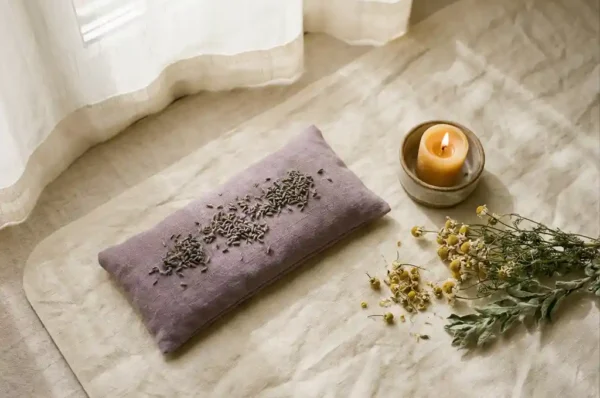
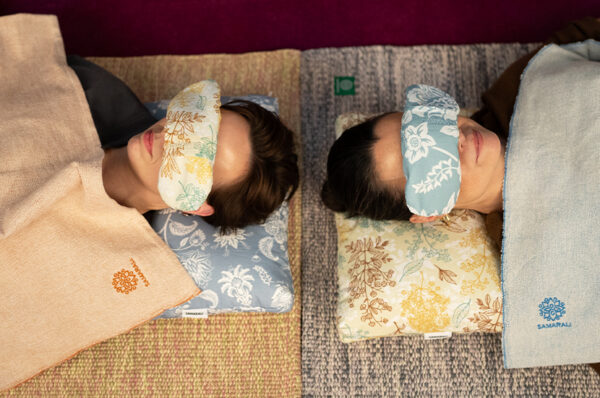
Because yoga nidra is practiced lying down, it is also highly accessible. People with physical limitations, injuries, or chronic fatigue can benefit without needing to hold poses or sit upright for extended periods. A supportive setup matters here — a comfortable surface, a warm organic cotton yoga blanket, and an eye pillow can make a meaningful difference in how deeply you settle into the practice.
How long should a yoga nidra session be?
A yoga nidra session can range from 20 to 45 minutes for most practitioners, with 30 minutes being a common sweet spot for a complete and balanced experience. Shorter sessions of 15 to 20 minutes are useful for quick stress relief or daytime restoration, while longer sessions of 45 to 60 minutes allow for deeper layers of relaxation and more complete visualization sequences.
For beginners, starting with a guided 20 to 30 minute session is ideal. The structured guidance makes it easier to stay engaged without drifting fully into sleep. As your practice deepens, you may find that you naturally gravitate toward longer or shorter sessions depending on your needs on any given day.
One of the most appealing aspects of yoga nidra is its efficiency. Teachers and practitioners often describe a 30-minute session as equivalent in restorative value to several hours of ordinary sleep, though this is based on experiential accounts rather than clinical measurement. What is clear is that even a brief session produces a noticeable shift in how rested and calm the body and mind feel afterward.
Can yoga nidra help with sleep and anxiety?
Yes, yoga nidra can meaningfully help with both sleep difficulties and anxiety. The practice directly targets the nervous system, guiding the body into a parasympathetic state that counteracts the physiological patterns underlying anxiety and insomnia. For people who struggle to switch off at the end of the day, yoga nidra offers a reliable, drug-free path toward genuine rest.
For anxiety, the body scan technique used in yoga nidra is particularly effective. By systematically moving awareness through different parts of the body without trying to change anything, practitioners learn to observe physical tension and anxious sensations from a place of calm distance. Over time, this builds a felt sense of safety in the body that carries into daily life.
For sleep, practicing yoga nidra in the evening or at bedtime helps ease the transition from waking alertness to deep sleep. The technique mimics the natural stages of falling asleep, making it easier for the nervous system to follow that path without resistance. Many people who practice regularly report falling asleep faster, waking less during the night, and feeling more genuinely rested in the morning.
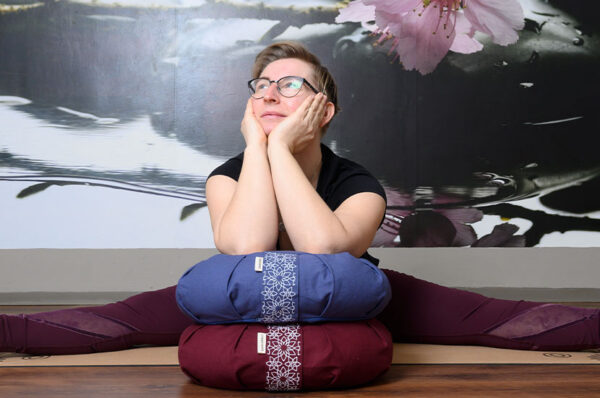
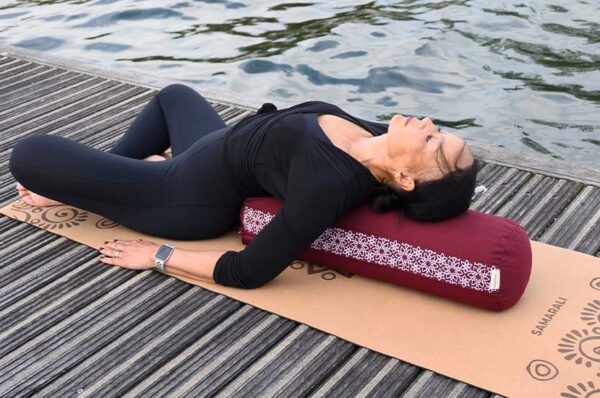
If you are building a consistent yoga nidra practice, setting up a dedicated, comfortable space helps signal to your body that it is time to rest. Pairing your sessions with supportive meditation accessories — such as a cushion, bolster, or blanket — can deepen the experience and make it easier to fully let go. We designed our wellness products with exactly this kind of intentional, restorative practice in mind.
Frequently Asked Questions
Do I need any prior yoga or meditation experience to start yoga nidra?
No prior experience is necessary — yoga nidra is actually one of the most beginner-friendly mindfulness practices available. Because it is fully guided and done lying down with no movement required, there is nothing to u0022get rightu0022 technically. Simply follow the instructor’s voice and allow whatever happens to happen, whether that is deep relaxation, light sleep, or vivid imagery.
Is it okay if I fall asleep during yoga nidra?
Falling asleep occasionally, especially when you are new to the practice or particularly tired, is completely normal and not something to worry about. However, the true goal of yoga nidra is to remain in that threshold state between sleep and wakefulness, where the mind is receptive but still subtly aware. If you find yourself consistently falling asleep, try practicing earlier in the day, keeping the room slightly cooler, or propping your head up just a little to help maintain that edge of awareness.
How often should I practice yoga nidra to notice real results?
Most practitioners begin noticing meaningful benefits — such as reduced tension, better sleep, and a calmer baseline mood — within two to four weeks of practicing three to four times per week. That said, even a single session can produce a noticeable shift in how rested and grounded you feel. Consistency matters more than duration, so a short 20-minute session several times a week will generally deliver better long-term results than one long session per week.
What is the best time of day to practice yoga nidra?
Yoga nidra is versatile and can be practiced at almost any time of day depending on your goal. In the morning, it can set a calm, intentional tone for the day ahead. In the early afternoon, it works beautifully as a restorative reset — similar to a power nap but without the grogginess. In the evening or at bedtime, it is especially effective for winding down and easing into deep sleep. The one time to avoid it is immediately after a heavy meal, as digestion can make it harder to stay in that alert-yet-relaxed threshold state.
What should I do if my mind keeps wandering or I feel restless during the practice?
Mind-wandering and restlessness are extremely common, particularly in the first few weeks of practice, and they are not signs that you are doing anything wrong. Rather than fighting distractions, simply notice them without judgment and gently return your attention to the guide’s voice whenever you realize you have drifted. Over time, the structured sequence of body scanning and breath awareness naturally anchors the mind and restlessness tends to diminish on its own as the nervous system learns to trust the process.
Can I practice yoga nidra on my own without a teacher or guided audio?
While it is technically possible to practice yoga nidra independently once you have deeply internalized the sequence, most practitioners — even experienced ones — prefer using a guided recording because the external voice is a core part of what allows the mind to release control and drop into a receptive state. There are many high-quality guided sessions available through apps like Insight Timer, YouTube, and dedicated yoga nidra teachers’ platforms. Starting with a trusted guided audio is strongly recommended before attempting solo practice.
Are there any situations where yoga nidra might not be appropriate?
Yoga nidra is safe for the vast majority of people, but there are a few situations where caution or professional guidance is advisable. Individuals with a history of trauma may find the body scan or visualization components emotionally activating, and working with a trauma-informed teacher can make the practice much safer and more supportive. People with certain psychiatric conditions, such as dissociative disorders, should consult a mental health professional before beginning. If you are ever unsure, starting with shorter, lighter sessions and checking in with your healthcare provider is always a sensible first step.
Ready to create the perfect space for your yoga nidra practice? At Samarali, we carefully curate tools that support deep rest and intentional stillness. Whether you are looking for a yoga bolster to keep you completely comfortable during long sessions, a meditation mat to define your dedicated practice space, or a soft organic cotton yoga blanket to stay warm as your body settles into rest, you will find everything you need in our meditation collection. Explore our full range and set yourself up for the restorative practice you deserve — shop our meditation sets now.