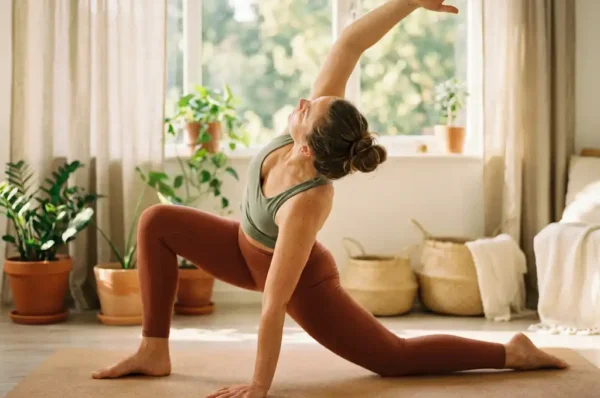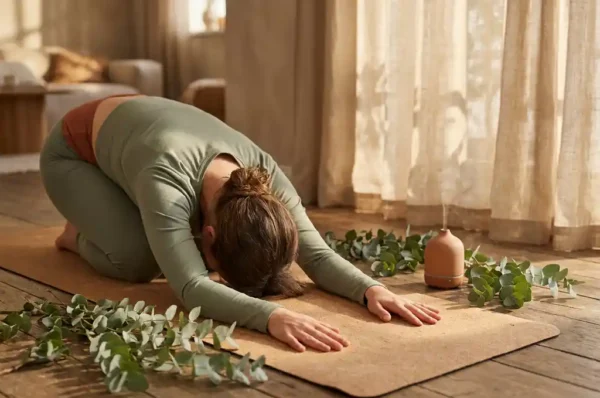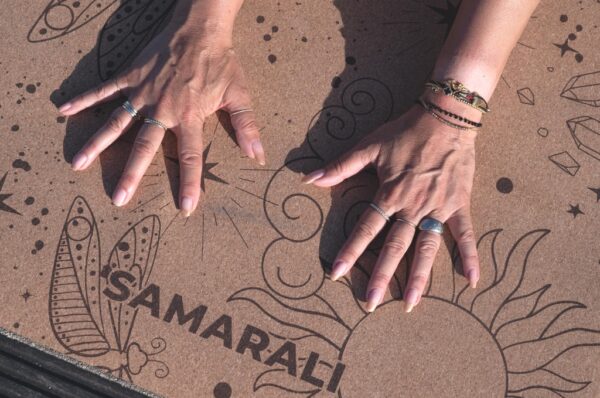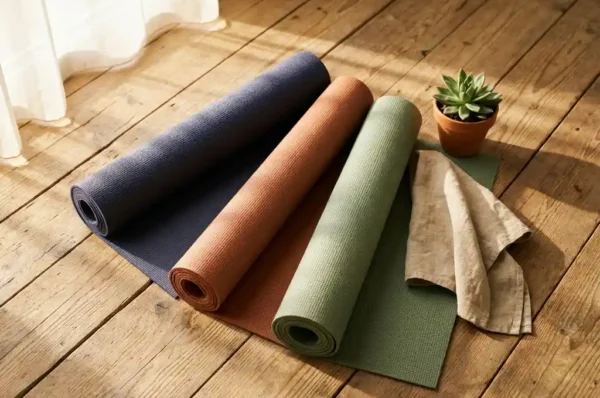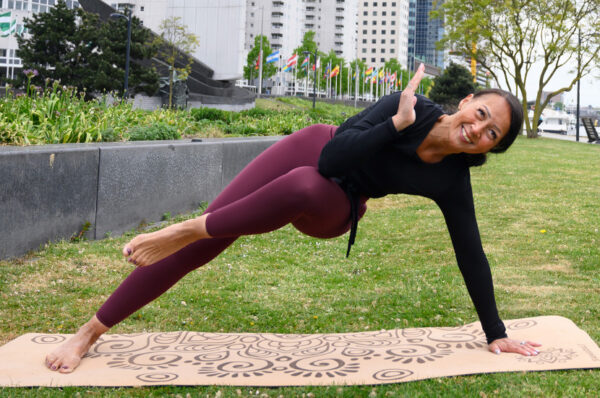



For sweaty Vinyasa yoga, a natural rubber mat with a textured or microfiber surface performs best. These materials grip better as moisture increases, making them ideal for the fast-paced, flow-based movements that define Vinyasa practice. Below, we break down exactly what to look for in a mat so you never slip mid-flow again.
What makes a yoga mat lose grip when you sweat?
A yoga mat loses grip when sweat creates a thin layer of moisture between your skin and the mat surface, reducing friction. Most standard PVC mats are non-porous, so sweat pools on top rather than being absorbed, turning the surface slick. The more you sweat during an active Vinyasa session, the worse the slipping becomes.
The material’s surface texture also plays a major role. Smooth, closed-cell mats repel moisture by design, which works well for hygiene but works against you the moment your palms get damp. Open-cell materials, by contrast, absorb small amounts of moisture and actually increase their grip under those conditions.
Temperature is another contributing factor. A warm studio environment accelerates sweating, and heated Vinyasa classes push this further. If your mat material is not designed to handle heat and humidity, the combination of body heat and moisture will break down surface friction quickly, leaving you readjusting your hands and feet throughout the practice rather than flowing freely.
Which mat materials perform best in sweaty Vinyasa practice?
Natural rubber and microfiber surfaces perform best in sweaty Vinyasa practice. Natural rubber provides a dense, grippy base that stays stable under dynamic movement, while microfiber top layers absorb sweat and increase traction as moisture builds. Together, these two materials form the gold standard for high-sweat yoga sessions.
Here is a breakdown of how common mat materials compare during intense Vinyasa flow:
- Natural rubber: Excellent grip from the start, improves slightly with light moisture, and offers strong cushioning without being too soft. It is biodegradable and durable, making it a top choice for both performance and sustainability.
- Microfiber top layer (over rubber base): Absorbs sweat directly, creating a towel-like grip effect. The wetter it gets, the more it holds. Ideal for hot or vigorous Vinyasa classes.
- TPE (Thermoplastic Elastomer): A decent mid-range option with moderate grip, though it can become slippery in heavy sweat conditions and does not perform as reliably as rubber.
- PVC: Affordable and durable but poor in wet conditions. Sweat sits on the surface and creates a slipping hazard during active sequences.
- Cork: Naturally antimicrobial and grippy when wet, though it can feel firm underfoot and may not suit practitioners who prefer more cushioning.
Our natural rubber yoga mat is designed with exactly this kind of active practice in mind, offering a surface that holds firm through every transition, sun salutation, and warrior sequence.
Does mat thickness affect grip and stability during Vinyasa?
Yes, mat thickness affects stability during Vinyasa, but it does not directly affect grip. Thicker mats (above 5mm) can reduce your connection to the floor, making balancing poses less stable. For Vinyasa, a mat between 3mm and 4mm typically offers the best balance of cushioning and ground feel without compromising your footing.
Grip is determined by surface material, not thickness. A 6mm PVC mat will still slip when wet, while a 3mm natural rubber mat will hold firm. Where thickness matters most in Vinyasa is in transitions. When you move quickly from downward dog to a lunge or step forward into a standing pose, a mat that compresses too much underfoot can cause instability, particularly in single-leg balances.
Thinner mats also tend to stay flatter on the floor, reducing the chance of the mat bunching or shifting during fast-paced sequences. If you practice on a hard studio floor, a 4mm mat offers enough joint protection without sacrificing the responsiveness that Vinyasa demands. If you are on carpet or a softer surface, you can go thinner without discomfort.
Should you use a yoga towel instead of a specialised mat?
A yoga towel is a useful addition to your practice, but it is not a replacement for a specialised mat. Yoga towels work best when placed on top of a grippy mat, where they absorb sweat and prevent the mat surface from becoming slick. Used alone on a hard floor, a towel offers little stability and can bunch or shift dangerously during movement.
That said, a microfiber yoga towel layered over a natural rubber mat is one of the most effective setups for sweaty Vinyasa practice. The towel handles moisture at the surface while the rubber mat anchors everything underneath. Many experienced practitioners who attend heated classes use exactly this combination.
The main advantage of a towel is convenience. You can wash it after every session, which is a practical benefit if you sweat heavily or attend classes multiple times a week. A specialised mat with a microfiber top layer replicates this effect in a single product, which simplifies your kit without sacrificing performance.
If you are just starting out with yoga mats and unsure whether to invest in a premium sweat-specific option, a good-quality towel over a standard mat is a low-cost way to test how much grip you actually need before committing to a higher-end purchase. Over time, most dedicated Vinyasa practitioners find that a purpose-built mat saves both hassle and slipping.
Frequently Asked Questions
How do I break in a new natural rubber mat so it grips properly from the first session?
New natural rubber mats often have a light release film from manufacturing that can make them feel slippery at first. To break one in, wipe it down with a damp cloth and a small amount of mild dish soap, rinse thoroughly, and allow it to air dry completely before your first session. Some practitioners also do a light salt scrub on the surface, which helps open up the texture and improve initial traction.
How should I clean my yoga mat after a sweaty Vinyasa session without damaging the grip?
After a sweaty session, wipe your mat down with a diluted solution of water and white vinegar (roughly 3:1 ratio) or a purpose-made yoga mat spray, then hang it to air dry fully before rolling it up. Avoid soaking natural rubber mats or leaving them in direct sunlight, as prolonged UV exposure and excess moisture can degrade the rubber and reduce grip over time. Never put a natural rubber mat in the washing machine, as this will break down the material.
What if I've bought a good mat but I'm still slipping — what am I doing wrong?
The most common culprit is a mat that hasn’t been properly cleaned or broken in, as residue from manufacturing or product buildup from cleaning sprays can coat the surface and reduce friction. Another frequent issue is applying lotion or body oil before practice, which transfers to the mat and makes any surface slick regardless of quality. Try a thorough deep clean of your mat first, and if slipping persists, check that your hands and feet are dry at the start of practice — a light spritz of water on a microfiber surface can actually activate its grip before sweat kicks in.
Are there any grip-enhancing products worth using for Vinyasa practice?
Yes — grip-enhancing sprays and grip gloves or toe socks are popular options among Vinyasa practitioners who sweat heavily. Sprays formulated specifically for yoga mats (often containing natural ingredients like tea tree oil or witch hazel) can refresh surface traction between deep cleans. Grip gloves and yoga socks are particularly useful if you’re using a less specialised mat and need extra confidence during inversions or balancing sequences, though most practitioners phase them out once they switch to a high-performance natural rubber or microfiber mat.
Is a natural rubber mat safe to use if I have a latex allergy?
This is an important consideration — natural rubber is derived from latex, so individuals with a latex allergy should avoid natural rubber mats entirely to prevent a skin reaction. Fortunately, there are excellent latex-free alternatives designed for sweaty practice, including TPE mats with textured surfaces and cork mats, which offer natural antimicrobial properties and improved wet grip. Always check the product materials list carefully and consult your doctor if you have any doubt about your sensitivity level.
How long should a high-quality natural rubber yoga mat last with regular Vinyasa practice?
With proper care, a high-quality natural rubber mat should last anywhere from two to five years with regular daily use, and even longer if you practice three to four times per week. Signs that it’s time to replace your mat include visible surface peeling or pilling, a persistent smell that doesn’t clear after cleaning, or noticeable loss of grip even on a clean, dry surface. Storing your mat rolled (not folded) in a cool, dry place away from direct sunlight will significantly extend its lifespan.
Can I use my Vinyasa mat for other yoga styles like Yin or restorative yoga?
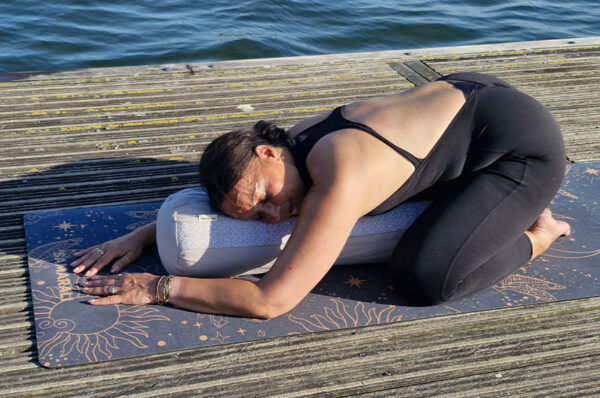
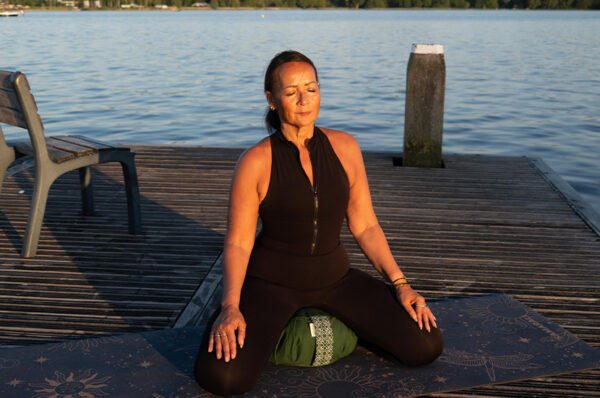
Absolutely, though a thin, firm Vinyasa mat may feel less comfortable for slower, floor-based practices like Yin or restorative yoga, where you’re holding poses for several minutes at a time. If you plan to use one mat across multiple styles, a 4mm natural rubber mat is a practical middle ground — grippy enough for active flow and cushioned enough for seated or reclined poses. For dedicated Yin or restorative sessions, many practitioners supplement with a folded blanket or bolster for extra joint support rather than switching mats entirely.
Ready to take your Vinyasa practice to the next level with gear that keeps up with you? At Samarali, you will find a carefully curated selection of high-performance yoga essentials, including our natural rubber yoga mat built for grip, flow, and durability, as well as supportive extras like the organic cotton yoga blanket and yoga mat bag to complete your kit. Browse the full yoga mats collection and find the perfect foundation for every session. Shop now and flow with confidence.