


Yes, Yin Yoga can genuinely improve flexibility. Unlike more dynamic yoga styles, Yin Yoga works by holding passive poses for extended periods, typically two to five minutes, which allows connective tissues like fascia, ligaments, and joint capsules to gradually lengthen and release tension. This makes it one of the most effective practices for building lasting, deep flexibility.
The results are not just about muscle loosening. Yin Yoga targets the deeper layers of the body that most forms of exercise simply do not reach, making it especially valuable for anyone who feels chronically tight or restricted. Below, we answer the most common questions about Yin Yoga and flexibility so you can understand exactly what to expect from your practice.
How does Yin Yoga actually increase flexibility?
Yin Yoga increases flexibility by applying gentle, sustained stress to the connective tissues surrounding your joints, including fascia, tendons, and ligaments. These tissues respond to long, slow holds rather than dynamic movement. Over time, this sustained pressure encourages the tissues to lengthen, hydrate, and become more pliable, expanding your range of motion at a structural level.
Most forms of exercise and even more active yoga styles primarily target muscle fibers. Muscles are elastic and respond well to short bursts of stretching, but connective tissue is denser and less responsive to quick movement. It requires a different approach entirely. In Yin Yoga, you hold a pose for an extended period while your muscles relax, allowing the stretch to sink deeper into the underlying tissue.
There is also a nervous system component at play. Holding a pose for several minutes teaches your nervous system to become more comfortable with a deeper range of motion. Over time, your body stops sending tension signals as quickly, which means you can move further into a stretch without resistance. This combination of physical tissue change and nervous system adaptation is what makes Yin Yoga so effective for flexibility.
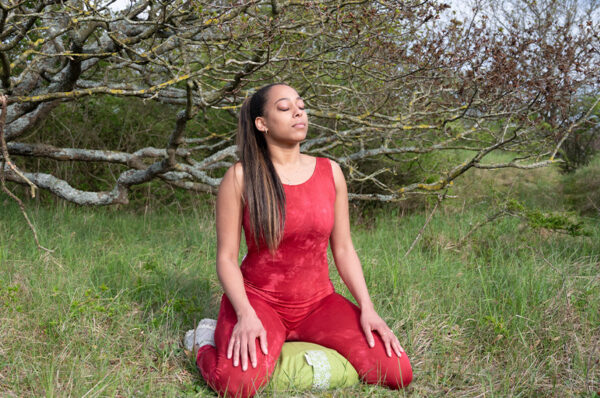
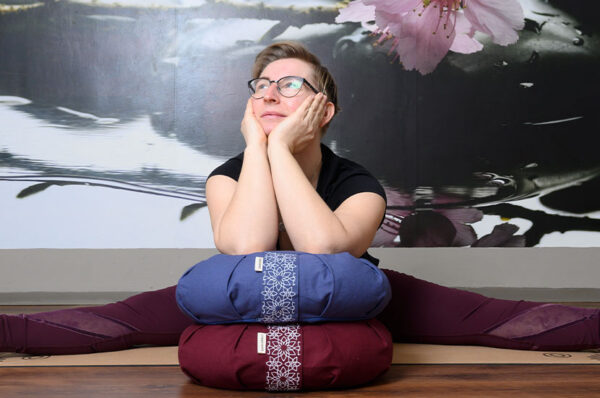
Using supportive props can make a meaningful difference here. A yoga bolster allows you to settle into poses more deeply and hold them comfortably for longer, which directly enhances the connective tissue benefits of your Yin practice.
How long does it take to see flexibility results from Yin Yoga?
Most people notice initial flexibility improvements from Yin Yoga within two to four weeks of consistent practice. These early changes are largely neurological, as your nervous system becomes more comfortable allowing deeper ranges of motion. Structural changes in connective tissue take longer, typically two to three months of regular practice before they become clearly noticeable.
Consistency matters far more than frequency. Practicing Yin Yoga two to three times per week will produce better results than occasional longer sessions. The connective tissues need regular, gentle stimulus over time to adapt and lengthen. Sporadic practice does not give the tissue enough sustained input to change.
Several factors influence how quickly you see results:
- Your starting point: People who are already somewhat mobile may notice changes faster, while those with significant tightness may take longer but often experience more dramatic improvements.
- Age: Connective tissue becomes less pliable with age, so older practitioners may need more consistent practice over a longer period to see the same gains.
- Hydration and recovery: Fascia responds well to hydration, so staying well hydrated supports the tissue changes that Yin Yoga initiates.
- Stress levels: Chronic stress keeps the nervous system in a state of tension, which can slow flexibility progress. The meditative quality of Yin Yoga helps address this directly.
Which areas of the body does Yin Yoga improve the most?
Yin Yoga is most effective for improving flexibility in the hips, lower back, inner thighs, and spine. These areas contain large concentrations of connective tissue and are commonly restricted due to sedentary lifestyles, repetitive movement patterns, or stress. Yin Yoga targets them directly through poses that hold these regions in a passive stretch for several minutes at a time.
The hips are probably the area where most practitioners notice the greatest improvement. Poses like Dragon, Butterfly, and Sleeping Swan target the hip flexors, hip rotators, and groin with sustained holds that gradually open the joint capsule and surrounding fascia. For people who sit for long periods, this can feel transformative.
The spine also benefits significantly. Yin poses that involve gentle backbends, forward folds, and lateral stretches work along the entire length of the spine, hydrating the intervertebral discs and releasing tension in the deep spinal muscles and thoracolumbar fascia. Many practitioners report that their lower back feels noticeably freer after just a few weeks of regular practice.
The shoulders and neck can also respond well to Yin Yoga, though they are targeted less frequently in traditional sequences. If you carry tension in your upper body, incorporating targeted Yin poses for these areas can complement the lower body work nicely.
Is Yin Yoga better for flexibility than other yoga styles?
Yin Yoga is better than most other yoga styles for improving deep, structural flexibility, particularly in the connective tissues and joints. Active styles like Vinyasa or Ashtanga primarily develop muscular flexibility and strength, which is valuable but different. Yin Yoga’s long holds reach the deeper layers of tissue that dynamic movement cannot adequately address, making it uniquely effective for lasting range of motion gains.
That said, the comparison depends on what kind of flexibility you are looking for. If your goal is functional movement, athletic performance, or muscular suppleness, a more dynamic style may serve you well. If your goal is releasing chronic tightness, improving joint mobility, or addressing deep restrictions that have not responded to other forms of stretching, Yin Yoga is likely the most effective tool available.
Many experienced practitioners combine Yin Yoga with a more active style to get the best of both worlds. A dynamic practice builds strength and muscular endurance, while Yin sessions provide deep tissue release and a nervous system reset that active styles do not deliver. This combination tends to produce the most well-rounded flexibility and mobility results over time.
We believe that the right environment and equipment support your practice at every level. Practicing on a quality surface, such as one of our yoga mats, ensures you can settle into long Yin holds with the comfort and stability your body needs to fully relax and benefit from each pose.
Frequently Asked Questions
Can complete beginners start Yin Yoga even if they are very inflexible?
Absolutely. Yin Yoga is actually one of the most beginner-friendly practices precisely because it does not require any existing flexibility. You simply work to your own edge, which is the point of mild tension without pain, and use props like bolsters, blankets, or blocks to make poses accessible from day one. In fact, people who are very tight often benefit the most from Yin Yoga because they have the most connective tissue restriction to release over time.
How do I know if I am holding a Yin pose correctly versus pushing too hard?
The key distinction is between a sensation of mild, tolerable tension and sharp, stabbing, or joint pain. In a correctly held Yin pose, you should feel a steady, dull stretch that you can breathe through and sustain for several minutes without bracing or gripping. If you feel pinching in a joint, shooting pain, or find yourself holding your breath, you have gone too far and should back off slightly or use a prop to reduce the intensity. A good rule of thumb is to aim for about a 4 out of 10 on the intensity scale.
Should I do Yin Yoga before or after more active exercise?
For flexibility purposes, Yin Yoga is generally more effective when practiced on its own or after active exercise, not before. Doing deep, passive stretching before a workout can temporarily reduce muscle activation and performance. After exercise, however, a Yin session is an excellent way to release muscular tension and begin the recovery process while your body is already warm. Practicing Yin on rest days is also a highly effective approach that keeps connective tissue stimulated without adding physical load.
Why do I sometimes feel sore the day after a Yin Yoga session?
Post-Yin soreness is common, especially when you are new to the practice or have targeted areas that are particularly restricted. Unlike muscle soreness from active exercise, this feeling often comes from the connective tissues and fascia being stimulated in ways they are not used to. It typically fades within 24 to 48 hours and is a normal part of the adaptation process. Staying well hydrated, doing light movement, and avoiding back-to-back intense Yin sessions on the same muscle groups can help manage this effectively.
Can Yin Yoga help with flexibility issues caused by an old injury or scar tissue?
Yin Yoga can be genuinely helpful for chronic tightness related to old injuries, as the gentle sustained holds encourage circulation and hydration in areas that may have become restricted over time. Scar tissue and fascial adhesions can gradually become more pliable with consistent, mindful practice. However, it is important to work carefully around injury sites and consult a physiotherapist or healthcare provider before targeting those areas directly, as some conditions require specific modifications to avoid aggravating the tissue further.
How many times per week should I practice Yin Yoga to see meaningful flexibility gains?
Two to three sessions per week is the sweet spot for most people looking to improve flexibility through Yin Yoga. This frequency gives your connective tissues regular stimulus while allowing adequate recovery time between sessions. If you are short on time, even one dedicated Yin session per week combined with shorter holds throughout the week can produce noticeable results over a few months. The most important factor is long-term consistency rather than session length or frequency in any given week.
Are there any people who should avoid Yin Yoga or approach it with caution?
While Yin Yoga is safe for most people, those with hypermobility conditions such as Ehlers-Danlos syndrome or generalized joint hypermobility should approach it carefully, as the deep holds can overstretch already lax connective tissue and destabilize joints. Pregnant practitioners should modify or avoid poses that compress the abdomen or involve lying flat on the back, particularly in later trimesters. Anyone recovering from a recent injury, surgery, or dealing with inflammatory joint conditions like active rheumatoid arthritis flare-ups should consult a healthcare professional before starting a Yin practice.
Ready to deepen your Yin Yoga practice with the right support? At Samarali, you will find everything you need to make each session as effective and comfortable as possible. Whether you are looking for a yoga bolster to ease into long passive holds, an organic cotton yoga blanket for added warmth and cushioning, or a high-quality natural rubber yoga mat to ground your practice, our yoga collection has you covered. Give your body the tools it deserves to open, release, and restore. Shop now and find your perfect Yin Yoga setup.