


A sustainable yoga mat for Hatha Yoga is a mat made from natural, renewable, or responsibly sourced materials that minimize environmental harm throughout its lifecycle. Unlike conventional mats made from PVC, sustainable options use materials like natural rubber, organic cotton, or cork. The right choice depends on your Hatha practice style, grip preferences, and the certifications that back the mat’s eco claims. Below, we unpack the key questions to help you choose wisely.
What materials make a yoga mat sustainable?
A yoga mat is considered sustainable when its core materials come from natural, renewable, or recycled sources and are processed without harmful chemicals. The most common sustainable materials are natural rubber, organic cotton, cork, and jute. Each offers a different feel underfoot, but all share a significantly lower environmental footprint than PVC-based mats.
Natural rubber is one of the most popular sustainable choices. Tapped from rubber trees, it is biodegradable, provides excellent grip, and offers the cushioning density that many practitioners prefer. Our natural rubber yoga mat is a strong example of this material done well, combining grip, durability, and eco-responsibility in one product.
Organic cotton is another excellent option, particularly for practitioners who prefer a thinner, more traditional surface. Cotton mats are breathable, washable, and free from synthetic coatings. An organic cotton yoga rug works especially well for slower, floor-based practices where cushioning is less critical than texture and absorbency.
Cork is a renewable bark harvest that becomes grippier as it gets wet, making it ideal for heated or sweat-intensive sessions. Jute, a plant-based fiber, adds durability and a natural texture that many practitioners find grounding. Both materials are biodegradable and require far less energy to produce than synthetic alternatives.
How does Hatha Yoga practice affect which mat you choose?
Hatha Yoga directly influences your mat choice because of its pace, posture variety, and time spent in static holds. Hatha is a slower, alignment-focused practice that involves longer holds in standing poses, seated stretches, and floor work. This means your mat needs to provide consistent grip, adequate cushioning for joints, and a stable, non-slip surface rather than maximum sweat absorption.
Because Hatha sessions are typically less intense aerobically than Vinyasa or Ashtanga, you may not generate as much sweat, which means you have more flexibility in material choice. Natural rubber and cork both perform well in moderate-heat conditions, while organic cotton rugs suit cooler, more meditative sessions.
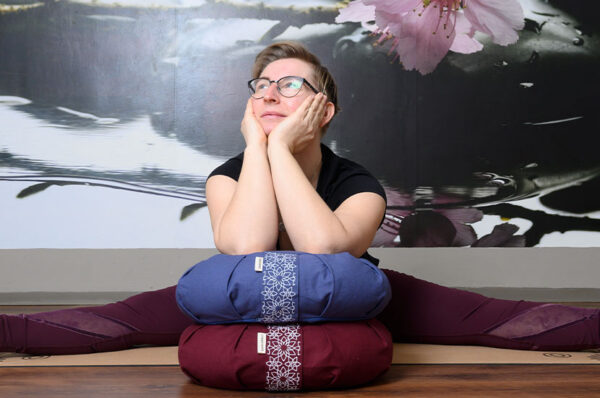
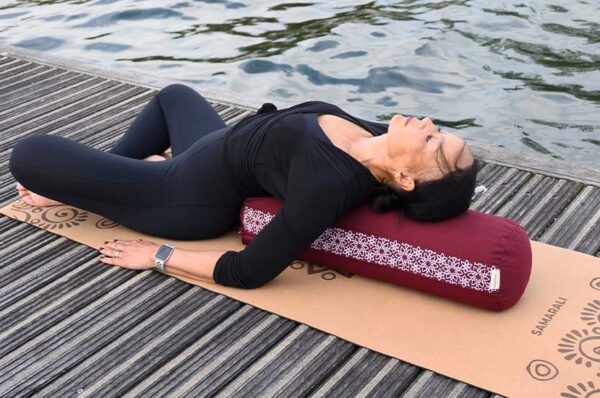
Cushioning matters more in Hatha than in many other styles. Longer holds in poses like Warrior or Pigeon put sustained pressure on knees, hips, and wrists. A mat with at least 4mm of natural rubber thickness offers meaningful joint support without sacrificing ground connection. If you practice on hard floors, pairing your mat with a supportive prop like a yoga bolster can further protect your body during deep stretches.
Size is another practical consideration. Hatha sequences often involve wide-legged postures and reclined poses, so a longer mat gives you the freedom to move without stepping off the edge mid-practice.
What certifications should a sustainable yoga mat have?
A genuinely sustainable yoga mat should carry third-party certifications that verify its environmental and safety claims. The most meaningful certifications to look for are OEKO-TEX Standard 100, GOTS (Global Organic Textile Standard), and FSC (Forest Stewardship Council) for rubber-based products. These certifications confirm that materials have been tested for harmful substances and sourced responsibly.
- OEKO-TEX Standard 100: Confirms the mat has been tested for over 100 harmful substances and is safe for skin contact. This is especially important since your hands and feet are in direct contact with the mat throughout practice.
- GOTS: Applies to organic textile products like cotton mats and rugs. It certifies both the organic status of raw materials and the ethical standards of manufacturing.
- FSC certification: Relevant for natural rubber mats, it ensures the rubber is sourced from responsibly managed forests that protect biodiversity and workers’ rights.
- EU Ecolabel: A European certification that covers the full lifecycle of a product, from raw material extraction to disposal. Particularly relevant for brands operating under European standards, as we do.
Be cautious of vague claims like “eco-friendly” or “green” without supporting certification. Greenwashing is common in the wellness industry, and certifications are the clearest signal that a brand’s sustainability claims have been independently verified.
How long does a sustainable yoga mat last compared to a standard mat?
A high-quality sustainable yoga mat typically lasts between three and five years with regular use, which is comparable to or longer than many standard PVC mats. The lifespan depends heavily on material quality, frequency of use, and how well the mat is maintained. Natural rubber and cork mats, when cared for properly, hold up exceptionally well over time.
Standard PVC mats are often cheaper upfront but degrade in ways that are both practically and environmentally problematic. PVC mats can become slippery as the surface wears, peel or crack with UV exposure, and shed microplastics into the environment. Sustainable mats made from natural rubber or organic cotton age more gracefully, often developing a better grip texture over time rather than deteriorating.
To extend the life of a sustainable mat, follow a few simple care habits:
- Wipe the mat down after each session with a gentle, natural cleaning solution.
- Air dry completely before rolling or storing to prevent mold and odor.
- Store away from direct sunlight, which can degrade natural rubber over time.
- Use a yoga mat bag for transport to protect the surface from abrasion and dirt.
The longer lifespan of a well-made sustainable mat also means better value over time. When you factor in that you are not replacing a worn-out PVC mat every year or two, the higher upfront cost of a sustainable option becomes far more reasonable. For Hatha practitioners who use their mat consistently, investing in quality from the start is both financially sensible and environmentally responsible in 2026.
Ready to make the switch to a mat that supports both your practice and the planet? At Samarali, you will find a carefully curated range of sustainable yoga essentials — from our certified natural rubber yoga mat and organic cotton yoga rug to supportive props like the yoga bolster and the practical yoga mat bag. Every product is chosen with the same intention you bring to your Hatha practice: mindful, grounded, and built to last. Shop the yoga mat collection now and find the foundation your practice deserves.
Frequently Asked Questions
Can I use a sustainable yoga mat if I have a latex allergy?
Yes, but you will need to avoid natural rubber mats, as they are derived from latex and can trigger allergic reactions in sensitive individuals. Instead, opt for organic cotton or cork mats, which are completely latex-free and still carry strong sustainability credentials. Always check the product description and certifications to confirm that no latex-based components are used in the mat’s construction or backing.
How do I clean a natural rubber or cork yoga mat without damaging it?
The safest approach is to wipe your mat down after each session using a diluted solution of water and a few drops of mild dish soap or white vinegar, applied with a soft cloth. Avoid soaking the mat, submerging it in water, or using harsh chemical cleaners, as these can break down the natural materials and shorten the mat’s lifespan. For cork mats specifically, avoid excessive moisture, as prolonged saturation can cause the cork layer to separate from its backing.
Is a sustainable yoga mat suitable for beginners, or is it better to start with a cheaper PVC mat?
A sustainable mat is absolutely suitable for beginners and is arguably a smarter starting investment. While the upfront cost is higher than a basic PVC mat, a quality natural rubber or cork mat provides better grip, more reliable cushioning, and a longer lifespan, meaning you won’t need to replace it as your practice deepens. Starting with a well-made mat also helps beginners build proper alignment habits, since a stable, non-slip surface supports correct posture from day one.
My sustainable mat has a strong natural rubber smell — is that normal, and will it go away?
Yes, a noticeable earthy or rubbery odor is completely normal for new natural rubber mats and is not a sign of harmful chemicals — it is simply the natural scent of the material. The smell typically fades significantly within one to two weeks if you air the mat out in a well-ventilated space away from direct sunlight. To speed up the process, you can wipe the mat with a diluted white vinegar solution and let it air dry fully before your first practice session.
What thickness should I choose for a sustainable Hatha Yoga mat if I have sensitive knees or wrists?
For practitioners with sensitive joints, a natural rubber mat in the 4mm to 6mm thickness range offers the best balance of cushioning and ground connection for Hatha practice. Mats thinner than 4mm may not provide enough joint protection during longer holds in poses like low lunge or supported bridge, while mats thicker than 6mm can feel unstable in standing balance poses. If you practice on particularly hard floors, supplementing your mat with a folded blanket or a yoga bolster under pressure points is a practical and targeted solution.
How do I know if a brand is genuinely sustainable or just greenwashing?
The clearest way to distinguish genuine sustainability from greenwashing is to look for independently verified third-party certifications such as OEKO-TEX Standard 100, GOTS, FSC, or the EU Ecolabel, rather than relying on vague marketing language like ‘natural’ or ‘eco-friendly.’ Legitimate sustainable brands are transparent about their supply chain, manufacturing processes, and the specific certifications their products hold, and this information is typically easy to find on their website. If a brand makes bold environmental claims but cannot point to verifiable certifications or sourcing details, that is a strong signal to look elsewhere.
What should I do with my sustainable yoga mat at the end of its life?
Unlike PVC mats, which typically end up in landfill and take centuries to break down, most sustainable mats offer more responsible end-of-life options. Natural rubber and organic cotton mats are biodegradable and can be composted or disposed of through organic waste streams, while cork can also be composted or repurposed. Some brands offer take-back or recycling programs, so it is worth checking with the manufacturer before disposing of your mat, as they may be able to guide you toward the most environmentally responsible option.