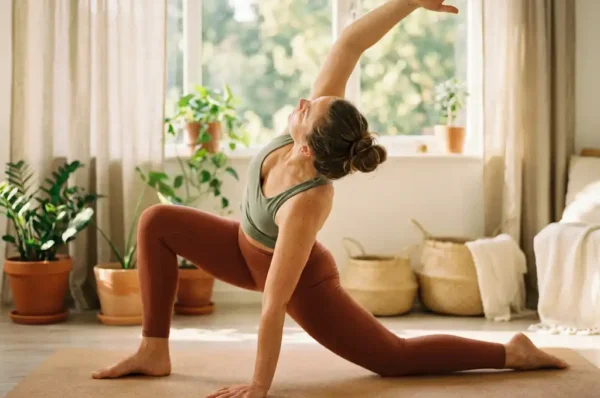



Vinyasa yoga is genuinely good for stress relief. The practice combines rhythmic movement with controlled breathing in a way that directly calms the nervous system, helping your body shift out of the fight-or-flight response that stress triggers. Below, we unpack exactly how it works, how it compares to other styles, how often to practice, and when it might not be the right fit.
How does Vinyasa yoga actually reduce stress?
Vinyasa yoga reduces stress by synchronizing breath with movement, which activates the parasympathetic nervous system — the part of your body responsible for rest and recovery. This rhythmic connection between inhale, exhale, and physical flow interrupts the stress cycle at a physiological level, lowering cortisol and helping you feel calmer both during and after practice.
The mechanism is more specific than simply “moving your body.” In Vinyasa, each transition between poses is guided by either an inhale or an exhale. This constant breath awareness pulls your attention into the present moment, which is exactly what stress is not — stress lives in rumination about the past or worry about the future. By anchoring you in the now, Vinyasa yoga functions similarly to mindfulness meditation, but with the added benefit of physical movement.
There is also a neurochemical dimension. Sustained movement at a moderate intensity encourages the release of endorphins, the body’s natural mood-regulating chemicals. The heat generated in a typical Vinyasa class, combined with the mental focus required to follow a flowing sequence, creates a kind of moving meditation that leaves little mental bandwidth for anxious thoughts. Many practitioners describe finishing a class feeling mentally quiet in a way that is hard to achieve through stillness alone.
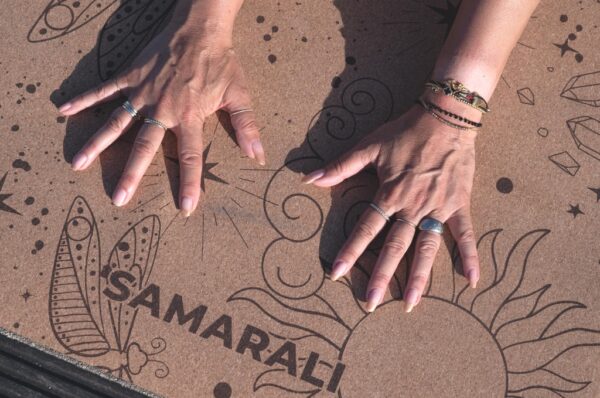
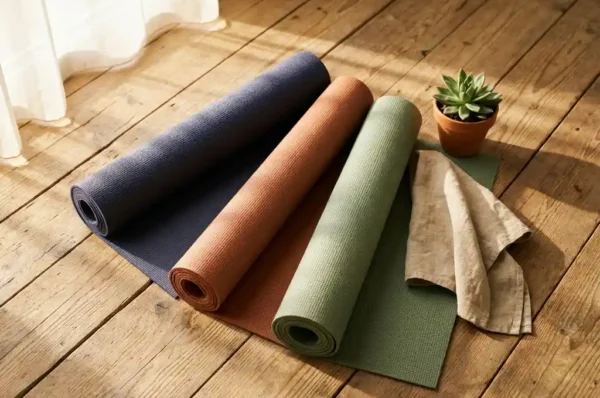
Grounding your practice with the right equipment also matters. A supportive surface helps you stay present rather than distracted by discomfort. Our natural rubber yoga mat provides the grip and cushioning that make it easier to stay focused on breath and movement rather than slipping or adjusting.
What makes Vinyasa yoga different from other stress-relief yoga styles?
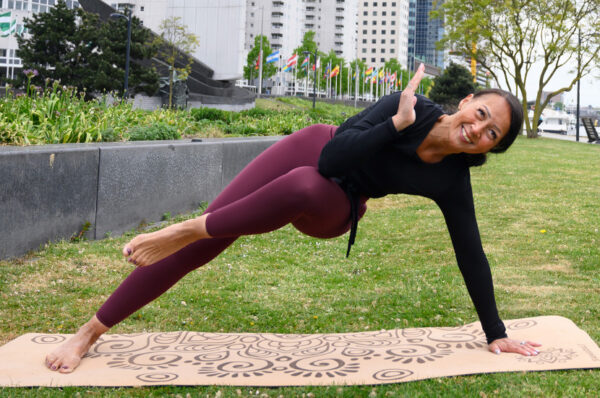
Vinyasa yoga is distinct from other stress-relief styles because it uses continuous, flowing movement rather than static holds. Where Yin yoga asks you to surrender into long, passive stretches and Restorative yoga uses props to support complete stillness, Vinyasa channels nervous energy into purposeful action — making it particularly effective for people whose stress manifests as restlessness or an inability to sit still.
Hatha yoga, often recommended for beginners seeking calm, moves at a slower pace with clear pauses between poses. This works well for some people, but those who find stillness frustrating when stressed may struggle to settle. Vinyasa gives that restless energy somewhere to go, which is why many practitioners find it easier to reach a meditative state through movement than through sitting quietly.
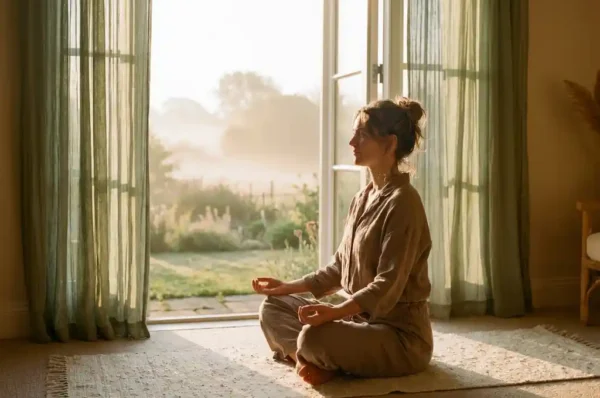
Restorative and Yin styles are deeply effective for nervous system recovery, but they require a certain willingness to be still that not everyone has when stress levels are high. Vinyasa meets you where you are, using the body’s natural inclination to move as the entry point into calm. Over time, regular Vinyasa practice can actually make it easier to access stillness in other contexts, including seated meditation and everyday moments of rest.
How often should you practice Vinyasa yoga to feel less stressed?
Practicing Vinyasa yoga two to four times per week is generally enough to experience meaningful stress reduction. At this frequency, your nervous system gets regular opportunities to reset, your body builds familiarity with the breath-movement connection, and the cumulative effect on mood and mental clarity becomes noticeable within a few weeks of consistent practice.
That said, even a single session per week is better than none. The stress-relieving benefits of one class can last for several days, particularly when you carry the breath awareness from your practice into daily life. The key variable is not just frequency but consistency — sporadic practice with long gaps produces far less benefit than a steady, manageable routine.
If you are new to Vinyasa, starting with two sessions per week gives your body time to adapt to the physical demands while still building a meaningful habit. As you become more comfortable with the sequences and your fitness improves, adding a third session can deepen the mental benefits. On days when a full class is not possible, even twenty minutes of gentle flow at home can help regulate your stress response and maintain the habit.
Can Vinyasa yoga make stress worse for some people?
Yes, Vinyasa yoga can temporarily increase stress for some people, particularly beginners who feel overwhelmed by fast-paced sequences, or anyone practicing in a highly competitive environment where the pressure to keep up overrides the mind-body connection. When the practice feels like a performance rather than a personal exploration, it can activate rather than calm the stress response.
There are a few specific situations where Vinyasa may not be the most helpful choice for stress relief:
- Severe burnout or exhaustion: When the body is genuinely depleted, the physical demands of Vinyasa can feel draining rather than energizing. In these cases, Restorative or Yin yoga may be a better short-term fit.
- Injury or chronic pain: Trying to follow a flowing sequence while managing physical discomfort can create mental tension that compounds stress rather than relieving it.
- Perfectionism: If you have a tendency to push hard and judge your performance, a challenging Vinyasa class can become another source of self-criticism.
- Anxiety disorders: Some people with high anxiety find that an elevated heart rate during vigorous movement temporarily amplifies anxious feelings before the calming effects kick in.
The solution in most of these cases is not to avoid Vinyasa entirely, but to choose the right class level and environment. A beginner-friendly or slow-flow Vinyasa class led by a teacher who emphasizes breath over performance is a very different experience from an advanced power flow. Starting gently, listening to your body, and giving yourself permission to modify poses removes much of the pressure that can make the practice counterproductive. Over time, as familiarity builds, even those who initially found Vinyasa stressful often discover it becomes one of their most reliable tools for finding calm.
Frequently Asked Questions
How long does a Vinyasa yoga session need to be to actually relieve stress?
Even a 20-minute session can produce noticeable stress relief, as the breath-movement synchronization begins activating the parasympathetic nervous system within the first few minutes of practice. That said, a 45- to 60-minute class tends to deliver deeper and longer-lasting calm because it gives your nervous system more time to fully downshift. If time is limited, prioritize breath awareness over sequence complexity — a short, intentional flow is far more effective than a rushed one.
What should I look for in a Vinyasa class specifically for stress relief?
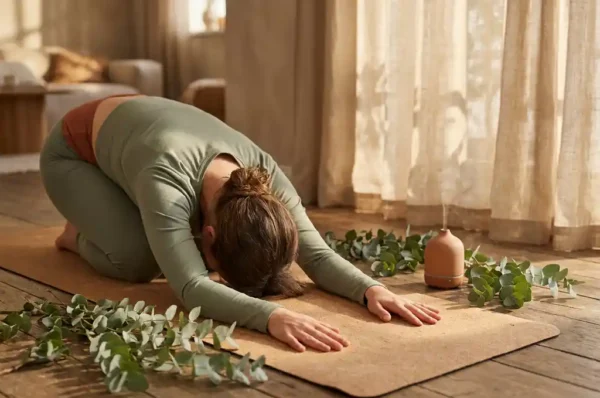
Look for classes described as ‘slow flow,’ ‘mindful Vinyasa,’ or ‘breath-centered flow,’ as these formats explicitly prioritize the breath-movement connection over physical intensity. A good stress-relief class will have a teacher who cues the breath as frequently as the poses and gives students permission to rest in Child’s Pose whenever needed. Avoid classes marketed primarily around calorie burn or athletic performance if stress relief is your main goal, as the competitive atmosphere can work against the calming effects.
Can I practice Vinyasa yoga for stress relief at home, and how do I get started?
Absolutely — home practice is a highly effective option, and there are excellent free and paid resources available, including YouTube channels like Yoga with Adriene, apps like Down Dog, and streaming platforms dedicated to yoga. To get started, choose a beginner or slow-flow Vinyasa video of 20 to 30 minutes, clear enough floor space for your mat, and commit to focusing on your breath rather than getting every pose perfect. Consistency matters more than perfection, so even an imperfect home session done regularly will build meaningful stress-relief benefits over time.
Is there a best time of day to practice Vinyasa yoga for stress relief?
The best time is genuinely the time you will actually show up for consistently, but morning and early evening each offer distinct advantages. A morning practice sets a calm, focused tone for the day and can act as a buffer against the stress that accumulates as the day progresses. Evening practice is effective for releasing tension built up during the day, though it is worth choosing a gentler flow rather than a vigorous one if you practice within two hours of bedtime, as high-intensity movement can temporarily elevate alertness and interfere with sleep.
How do I stay focused on my breath during a Vinyasa flow instead of just going through the motions?
A simple technique is to mentally label each movement with its breath — silently noting ‘inhale’ as you lift and ‘exhale’ as you fold or lower, which keeps your attention anchored to the breath rather than drifting. If you notice your mind has wandered, treat it the way you would in meditation: acknowledge it without judgment and gently return your focus to the next breath. Over time, this breath-first approach becomes more natural, and you will likely find that the sessions where you stay most connected to your breathing are also the ones where you feel the greatest stress relief afterward.
Can Vinyasa yoga replace other stress management tools like therapy or medication?
Vinyasa yoga is a powerful complementary tool for stress management, but it is not a replacement for professional mental health support when that support is needed. For everyday stress and general mood regulation, a consistent yoga practice can be genuinely transformative on its own. However, if you are dealing with clinical anxiety, depression, trauma, or chronic stress that significantly impacts your daily functioning, yoga works best as one part of a broader care plan that may include therapy, medical guidance, and other evidence-based interventions.
What are the most common mistakes people make when using Vinyasa yoga for stress relief?
The most common mistake is treating the practice as a workout first and a stress-relief tool second — pushing through fatigue, skipping Savasana, or choosing classes that are too advanced too soon. Another frequent error is practicing inconsistently, expecting one or two sessions to produce lasting results without building a regular routine. Finally, many people underestimate the importance of the final resting pose, Savasana: skipping it cuts short the integration phase where much of the nervous system reset actually consolidates, so staying for those final few minutes is well worth it.
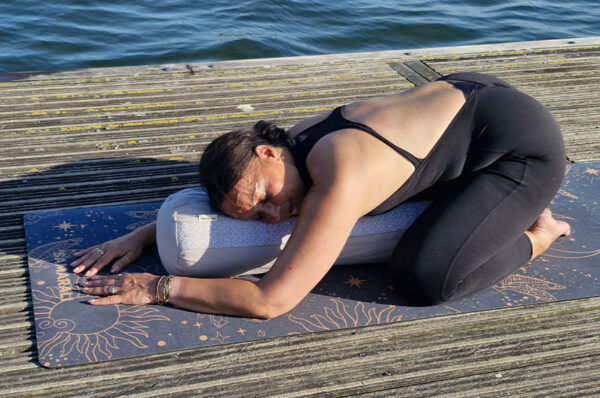
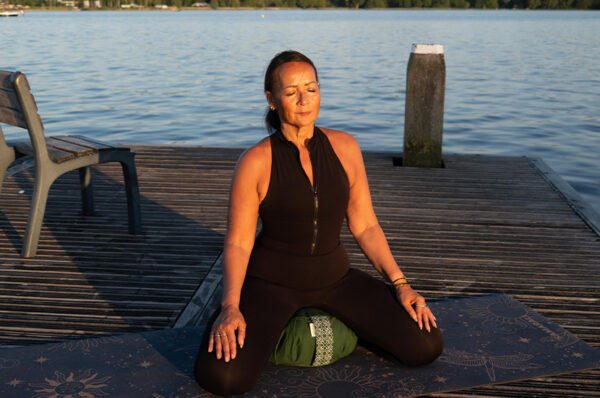
Ready to bring your Vinyasa practice to life with the right support? At Samarali, you will find everything you need to create a grounding, stress-relieving yoga space at home. Roll out a natural rubber yoga mat that keeps you stable through every flow, or add a yoga bolster for those slower, restorative moments when your body needs to fully let go. Whether you are building your first home practice or deepening an existing one, Samarali’s yoga mat collection and yoga sets are thoughtfully designed to support both movement and stillness. Shop now and set the foundation for a calmer, more centred practice.