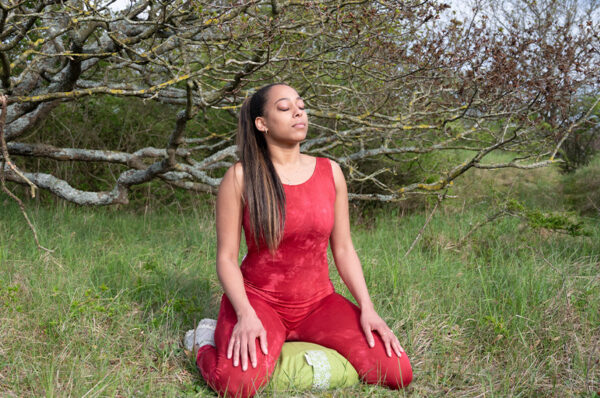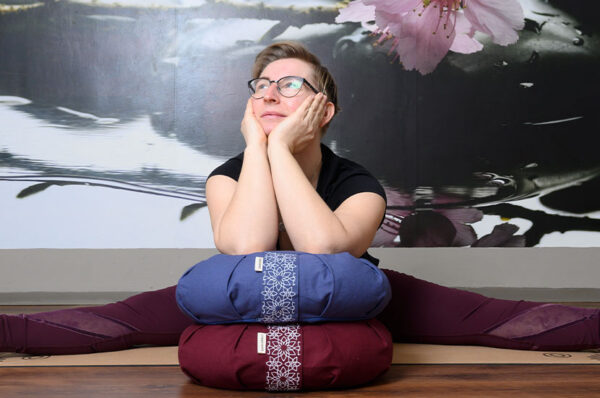



Yes, Hatha yoga can genuinely help with mental clarity. The combination of controlled breathing, deliberate movement, and focused attention trains the mind to settle, reducing the mental noise that clouds clear thinking. This makes Hatha yoga one of the most accessible and effective practices for anyone looking to sharpen focus and cultivate a calmer, more present state of mind. Below, we unpack the most common questions people have about Hatha yoga and its mental benefits.
How does Hatha yoga improve mental clarity?
Hatha yoga improves mental clarity by synchronizing breath with movement, which activates the parasympathetic nervous system and reduces the stress hormones that interfere with clear thinking. When the body calms down, the mind follows. The deliberate, slow-paced nature of Hatha practice encourages present-moment awareness, giving the brain a structured break from the constant stream of thoughts and distractions.
Unlike more vigorous styles of yoga, Hatha focuses on holding poses with conscious breath control. This sustained attention trains the prefrontal cortex, the part of the brain responsible for decision-making, focus, and emotional regulation. Over time, this kind of mental training becomes second nature, and practitioners often notice sharper concentration and better emotional balance throughout their daily lives, not just on the mat.
The pranayama, or breathwork, component of Hatha yoga is particularly powerful for mental clarity. Techniques like alternate nostril breathing and slow diaphragmatic breathing have been shown to regulate the nervous system and improve oxygen flow to the brain. The result is a noticeably calmer, more focused mental state that carries over well beyond the practice session itself.
What specific Hatha yoga practices are best for a clearer mind?
The most effective Hatha yoga practices for mental clarity are pranayama breathwork, grounding standing poses, and restorative postures combined with meditation. Each of these targets a different aspect of mental function, from reducing hyperactivity in the mind to building sustained concentration and emotional steadiness.
Pranayama and breathwork
Nadi Shodhana, or alternate nostril breathing, is widely regarded as one of the most direct tools for mental clarity within Hatha yoga. It balances the left and right hemispheres of the brain and quickly reduces mental agitation. Even five minutes before or after a physical practice can make a meaningful difference in how focused and settled you feel.
Grounding poses and restorative postures
Standing poses like Tadasana (Mountain Pose) and Vrikshasana (Tree Pose) build concentration by requiring balance and full-body awareness. Restorative postures such as Supta Baddha Konasana (Reclined Bound Angle Pose) and supported forward folds, often practiced with props like a yoga bolster, allow the nervous system to fully reset. This combination of active and passive poses gives the mind both a workout and a genuine rest.
How often should you practice Hatha yoga to notice mental benefits?
Most people begin to notice mental benefits from Hatha yoga after practicing three to four times per week for two to four weeks. Even shorter sessions of 20 to 30 minutes are effective, provided the practice includes breathwork and some stillness. Consistency matters more than session length when it comes to building lasting mental clarity.
If daily practice is realistic for you, even a short morning routine of breathwork and a few grounding poses can set a noticeably clearer mental tone for the rest of the day. For those newer to yoga, starting with two or three sessions per week and gradually increasing frequency is a sustainable approach that avoids burnout while still delivering real results.
The mental benefits tend to be cumulative. The more regularly you practice, the more your nervous system adapts to operating from a calmer baseline. Many practitioners report that after a few months of consistent Hatha yoga, their default mental state becomes measurably quieter and more focused, even during stressful periods.
Can Hatha yoga help with anxiety and stress-related brain fog?
Yes, Hatha yoga is particularly well-suited to addressing anxiety and stress-related brain fog. The slow, intentional nature of the practice directly counteracts the physiological stress response by lowering cortisol levels and activating the rest-and-digest state. For people whose mental fog stems from chronic stress or anxiety, Hatha yoga addresses the root cause rather than just the symptom.
Brain fog related to stress is often the result of an overactivated nervous system that never fully switches off. Hatha yoga interrupts this cycle through a combination of physical release, breath regulation, and mindful attention. The body learns, through repeated practice, that it is safe to relax, and this message gradually extends to the mind as well.
Pairing your Hatha practice with a dedicated meditation routine can deepen these effects significantly. Even sitting quietly for five to ten minutes after your physical practice helps consolidate the mental calm you have built during the session. At Samarali, we believe that creating a consistent, comfortable space for your practice, whether that means a supportive mat, a bolster, or a quiet corner of your home, makes it far easier to show up regularly and experience these benefits over time.
For those dealing with persistent anxiety, it is worth knowing that Hatha yoga works best as a complementary practice alongside professional support when needed. It is not a replacement for therapy or medical care, but as a daily tool for managing stress and clearing mental fog, it is one of the most accessible and genuinely effective options available.
Ready to build a practice that supports both body and mind? At Samarali, you will find everything you need to create a grounding, comfortable space at home. From our natural rubber yoga mat and yoga bolster for restorative poses, to meditation cushions that make seated breathwork and stillness genuinely comfortable — each piece is chosen to help you show up consistently and get the most out of every session. Explore the full yoga and meditation collections and find what supports your practice best. Shop now.
Frequently Asked Questions
Can complete beginners with no yoga experience use Hatha yoga for mental clarity, or is some prior experience needed?
Hatha yoga is one of the most beginner-friendly styles available, and no prior experience is required to start experiencing its mental benefits. The slow pace, emphasis on foundational poses, and guided breathwork make it easy to follow even if you have never stepped on a mat before. Starting with a beginner-focused class or video and simply focusing on matching your breath to your movement is enough to begin building mental clarity from your very first session.
What is the best time of day to practice Hatha yoga for maximum mental clarity?
Morning practice is widely considered the most effective time for mental clarity, as it sets a calm, focused tone before the demands of the day take over. A short session of breathwork and grounding poses first thing in the morning can noticeably reduce mental scatter and improve concentration for hours afterward. That said, an evening practice also has real value, particularly for clearing accumulated mental tension and improving sleep quality, which in turn supports sharper thinking the next day.
How is Hatha yoga different from mindfulness meditation for improving focus, and do I need to do both?
Hatha yoga and mindfulness meditation complement each other but work through slightly different mechanisms. Hatha yoga uses the body as an anchor, training the mind through physical movement, breath, and balance, while mindfulness meditation cultivates focused awareness in stillness. You do not need both to see results, but combining them, even with just five minutes of seated stillness after your physical practice, tends to deepen and sustain the mental clarity benefits more effectively than either practice alone.
Are there any common mistakes people make when using Hatha yoga for mental clarity that I should avoid?
The most common mistake is treating Hatha yoga purely as a physical workout and skipping the breathwork and stillness components, which are actually the most powerful drivers of mental clarity. Another frequent pitfall is practicing inconsistently, expecting noticeable results from one or two sessions, when the real benefits build gradually over weeks of regular practice. Finally, many beginners push too hard into poses, which activates tension rather than releasing it; in Hatha yoga, ease and awareness in a pose are far more beneficial for the mind than depth or intensity.
Can Hatha yoga help with mental clarity during particularly high-stress periods, like a demanding work deadline or major life change?
Yes, and this is precisely when a consistent Hatha practice proves its value most clearly. During high-stress periods, even a short 15 to 20-minute session focused on breathwork and a few restorative poses can interrupt the stress cycle and restore enough mental calm to think more clearly and make better decisions. The key is to lower the bar during demanding times rather than skipping practice altogether; a brief, gentle session is far more effective than no practice at all.
Do I need any special equipment to get started with Hatha yoga for mental clarity?
You can begin with nothing more than a non-slip surface and comfortable clothing, making Hatha yoga one of the most accessible practices available. As you develop a more regular routine, a quality yoga mat provides the stability and comfort that supports longer, more focused sessions. Props like a yoga bolster or blocks become genuinely useful as you incorporate restorative postures, since they allow your body to fully release without effort, which is when the deepest mental relaxation tends to occur.
How long does it typically take before the mental clarity benefits of Hatha yoga become noticeable in everyday life, not just during practice?
Most practitioners begin noticing carry-over effects in their daily life, such as feeling calmer under pressure, thinking more clearly, and recovering from stress more quickly, within four to eight weeks of consistent practice. The shift tends to be gradual rather than sudden, with small improvements accumulating over time until one day you simply notice that your default mental state feels quieter and more grounded. Keeping a brief journal of how you feel before and after sessions can help you track these subtle but meaningful changes as they develop.