


Yes, Hatha yoga is good for back pain. Regular practice helps strengthen the muscles that support the spine, improves flexibility in tight areas like the hamstrings and hips, and encourages better posture habits that reduce everyday strain on the back. It works best as a consistent, gentle practice rather than an intense workout.
Whether you are dealing with occasional stiffness or more persistent discomfort, Hatha yoga offers a low-impact approach that addresses both the physical and postural roots of back pain. Below, we answer the most common questions people have about using Hatha yoga to support a healthier back.
Which hatha yoga poses help with back pain?
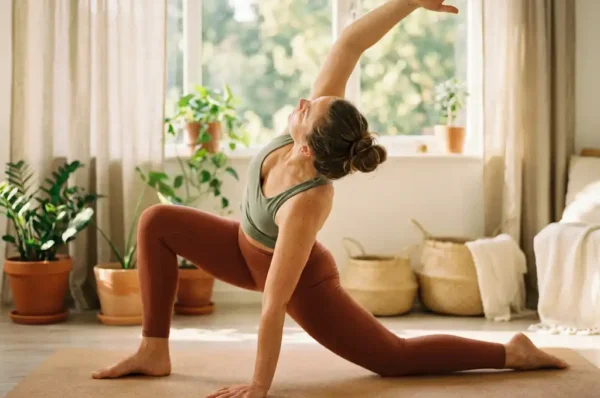
Several Hatha yoga poses are particularly effective for relieving back pain by gently stretching tight muscles, decompressing the spine, and building core and back strength. The most consistently helpful poses include Cat-Cow, Child’s Pose, Sphinx Pose, Supine Twist, and Bridge Pose. Each targets a different aspect of back health, from mobility to muscular support.
- Cat-Cow (Marjaryasana-Bitilasana): This flowing movement between two positions warms up the spine, increases mobility in the vertebrae, and gently releases tension along the entire length of the back. It is an ideal starting point for any back-focused practice.
- Child’s Pose (Balasana): A resting posture that creates gentle traction along the lower back and helps release compression in the lumbar spine. It also stretches the hips and thighs, which are often contributors to lower back tightness.
- Sphinx Pose (Salamba Bhujangasana): A mild backbend that strengthens the lower back muscles while gently opening the front of the body. It is particularly useful for people who spend long hours sitting, as it counteracts the forward rounding that builds up over time.
- Supine Twist (Supta Matsyendrasana): Lying on your back and gently rotating the knees to one side releases tension in the muscles alongside the spine and improves rotational mobility, which is often restricted in people with back pain.
- Bridge Pose (Setu Bandhasana): Activates the glutes, hamstrings, and lower back muscles in a controlled way, building the foundational strength needed to support the spine during daily movement.
Practicing these poses on a supportive surface makes a real difference in how your body responds. A well-cushioned, non-slip mat helps you hold poses with confidence and without discomfort. Our natural rubber yoga mat provides the grip and cushioning that back-focused practice benefits from most.
How often should you practice hatha yoga for back pain?
For back pain relief, practicing Hatha yoga three to five times per week is generally most effective. Even shorter sessions of 20 to 30 minutes can produce noticeable improvements in flexibility, muscle tone, and pain levels when practiced consistently over several weeks. Daily gentle practice tends to outperform occasional longer sessions.
Consistency matters more than intensity when it comes to back health. The muscles and connective tissue around the spine respond best to regular, moderate stimulation rather than infrequent vigorous effort. Starting with three sessions per week and gradually building from there gives your body time to adapt without risking overuse or strain.
It is also worth distinguishing between active sessions and restorative ones. On days when your back feels particularly tight or fatigued, a shorter, gentler practice focused on breathing and passive stretching can be just as beneficial as a full session. Listening to your body and adjusting intensity accordingly is one of the core principles of Hatha yoga and one of the reasons it works so well for managing pain over time.
Are there hatha yoga poses to avoid with back pain?
Yes, some Hatha yoga poses can aggravate back pain and are best avoided or modified, especially in the early stages of practice. Deep forward folds with a rounded spine, intense backbends, and full inversions are the most common poses that place excessive stress on the spine and surrounding structures when back pain is present.
Poses to approach with caution include:
- Full forward fold (Uttanasana) with a rounded back: Bending forward with a curved spine places significant load on the lumbar discs. A bent-knee variation or a supported fold using blocks reduces this risk considerably.
- Full Wheel Pose (Urdhva Dhanurasana): This deep backbend demands a high level of spinal mobility and back strength. For anyone with existing back pain, it can compress the lumbar vertebrae and should be replaced with gentler alternatives like Bridge Pose.
- Seated forward folds with straight legs: Tight hamstrings pull on the pelvis and create rounding in the lower back, which can worsen pain. Bending the knees slightly or using a strap allows you to get the benefit without the strain.
- Shoulderstand (Sarvangasana): Full inversions place the weight of the body on the cervical spine and are not appropriate for people with neck or upper back issues.
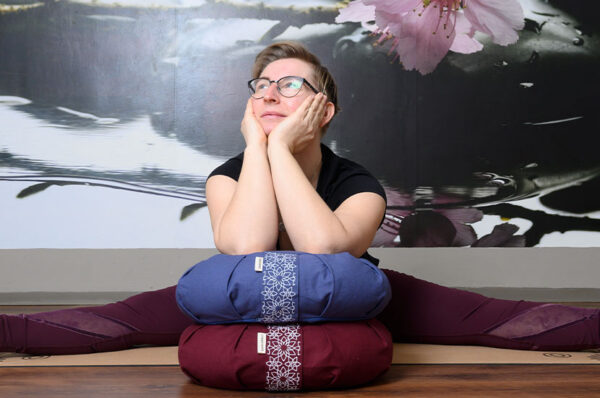
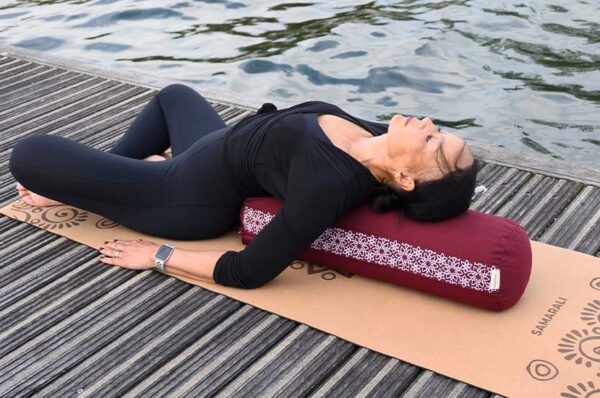
Modifications and props, such as a yoga bolster, make many of these poses accessible without the associated risk. Using a bolster under the knees in reclined poses or beneath the chest in gentle backbends allows the body to open gradually and safely.
Should you see a doctor before starting hatha yoga for back pain?
Yes, you should consult a doctor or qualified healthcare professional before starting Hatha yoga if your back pain is severe, sudden in onset, the result of an injury, or accompanied by symptoms like numbness, tingling, or pain that radiates down the legs. These signs may indicate an underlying condition that requires medical assessment before physical activity begins.
For mild to moderate back discomfort, especially the kind that builds gradually from poor posture or a sedentary lifestyle, most people can begin a gentle Hatha yoga practice without medical clearance. However, informing a qualified yoga teacher about your back history before your first class is always a good idea. An experienced teacher can suggest appropriate modifications and help you avoid movements that might set you back.
Back pain is one of the most common reasons people turn to yoga in the first place, and most Hatha yoga teachers are familiar with adapting a practice for students with spinal concerns. Being open about your limitations from the start gives you the best chance of building a practice that genuinely supports your recovery rather than complicating it.
Once you have the go-ahead to practice, building a consistent routine with the right support, whether that is a good mat, a bolster, or a blanket for cushioning, sets the foundation for long-term progress. Explore our yoga collection to find the tools that make your practice both comfortable and sustainable.
Frequently Asked Questions
How long does it take to see results from Hatha yoga for back pain?
Most people begin to notice improvements in flexibility and a reduction in everyday discomfort within four to eight weeks of consistent practice, typically three or more sessions per week. Deeper structural changes, such as improved posture and stronger spinal support muscles, tend to develop over three to six months. Results come faster when yoga is combined with other healthy habits like staying hydrated, avoiding prolonged sitting, and maintaining good posture throughout the day.
Can Hatha yoga help with both upper and lower back pain, or mainly the lower back?
Hatha yoga addresses both upper and lower back pain, though many commonly recommended poses do focus on the lumbar region since lower back pain is more prevalent. For upper back and neck tension, poses like Thread the Needle, a supported Fish Pose, and gentle chest openers are particularly effective. A well-rounded Hatha practice that includes both forward folds, backbends, and twists will naturally benefit the entire length of the spine.
Is it normal to feel more soreness after starting Hatha yoga for back pain?
Some mild muscle soreness in the first one to two weeks is normal, especially if your back muscles have been underused or held in poor postural patterns for a long time. This is different from sharp, shooting, or worsening pain, which is a signal to stop and reassess. If soreness persists beyond a couple of weeks or feels anything other than the dull ache of muscles being gently worked, it is worth consulting a healthcare professional or an experienced yoga teacher.
Can I practice Hatha yoga for back pain at home, or do I need to attend a class?
Home practice is absolutely viable for back pain, particularly once you are familiar with the poses and their correct alignment. Starting with a beginner-friendly class, either in person or through a reputable online platform, helps you build a safe foundation before practicing independently. At home, using props like a yoga mat with good cushioning, a bolster, and a blanket can replicate much of the support you would receive in a studio setting.
What is the difference between Hatha yoga and other yoga styles for back pain relief?
Hatha yoga is generally slower-paced and more alignment-focused than styles like Vinyasa or Ashtanga, making it particularly well-suited for people managing back pain. The deliberate pace gives you more time to find correct positioning in each pose and to notice how your body responds, which reduces the risk of aggravating sensitive areas. More dynamic or heat-based styles can be beneficial eventually, but Hatha provides the ideal entry point for building a safe and effective back care practice.
Should I practice Hatha yoga during a back pain flare-up, or wait until it settles?
During an acute flare-up, it is generally best to rest for the first day or two and avoid any movement that increases pain. Once the sharpest phase has passed, very gentle restorative Hatha poses, such as supported Child’s Pose, Supine Twist, and diaphragmatic breathing exercises, can actually help reduce inflammation and muscle guarding. Always let pain be your guide, and avoid pushing through discomfort in the hope that it will work itself out.
Do I need any special equipment to start Hatha yoga for back pain?
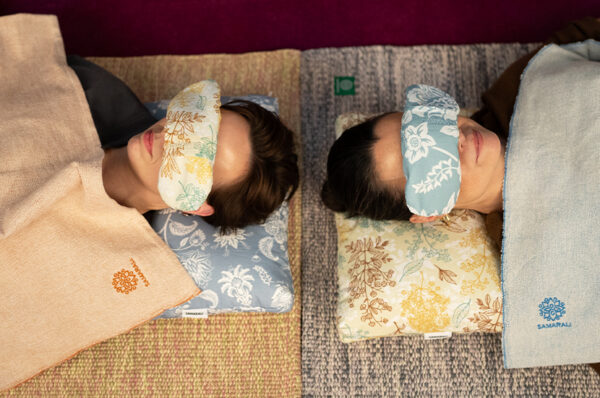
You do not need a lot of equipment to get started, but a few key props make a significant difference in both safety and comfort. A high-quality, well-cushioned yoga mat is the most important investment, as it protects your spine and joints during floor-based poses. A yoga bolster and a folded blanket are also highly useful for supporting the body in restorative poses, reducing strain, and allowing tight muscles to release gradually without forcing the movement.
Ready to support your back with the right tools? At Samarali, you will find everything you need to build a safe and comfortable Hatha yoga practice at home. From our natural rubber yoga mat — designed to cushion and protect your spine during floor-based poses — to our yoga bolster and organic cotton yoga blanket for gentle restorative support, each piece is chosen with mindful practice in mind. Browse the full yoga collection at Samarali and find the props that will make your back care practice both effective and sustainable. Shop now.