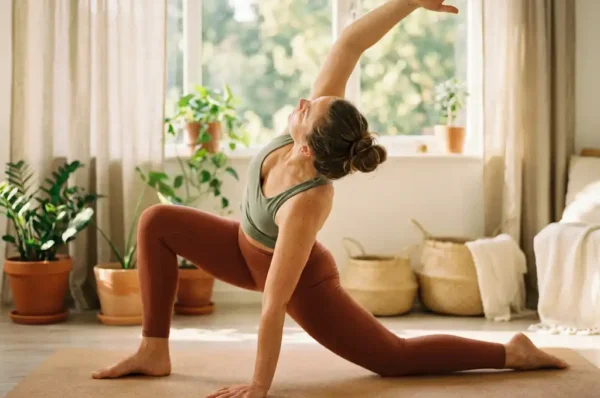



Vinyasa yoga offers a wide range of benefits, including improved strength, flexibility, cardiovascular fitness, and mental clarity. It is one of the most popular and dynamic yoga styles practiced today, appealing to people who want a flowing, movement-rich practice that challenges the body while calming the mind. Below, we answer the most common questions people have about Vinyasa yoga.
How does Vinyasa yoga differ from other yoga styles?
Vinyasa yoga is defined by its continuous, flowing sequence of poses that are synchronized with the breath. Unlike Hatha yoga, which holds individual postures for longer periods, or Yin yoga, which focuses on passive, deep stretching, Vinyasa keeps you moving in a rhythmic, connected flow from one pose to the next. This breath-to-movement connection is what makes it distinctive.
In a Vinyasa class, transitions between poses are just as intentional as the poses themselves. The word “vinyasa” roughly translates to “to place in a special way,” which reflects the thoughtful choreography behind each sequence. This approach creates a practice that feels almost meditative in motion, building heat and energy throughout the body as you move.
Compared to more structured styles like Ashtanga yoga, which follows a fixed sequence, Vinyasa gives teachers and practitioners much more creative freedom. No two Vinyasa classes are exactly alike, which keeps the practice fresh and engaging. This variety is one of the reasons so many people are drawn to it over other styles.
What physical benefits does Vinyasa yoga provide?
Vinyasa yoga builds strength, improves flexibility, enhances balance, and supports cardiovascular health. Because the practice is continuous and physically demanding, it engages multiple muscle groups simultaneously and elevates the heart rate, making it one of the more athletically challenging yoga styles available.
Some of the most notable physical benefits include:
- Increased muscular strength: Poses like Chaturanga, Warrior sequences, and arm balances build functional strength in the core, arms, shoulders, and legs.
- Greater flexibility: Moving through a full range of motion repeatedly helps lengthen tight muscles and improve joint mobility over time.
- Improved cardiovascular fitness: The continuous flow raises the heart rate, offering a cardiovascular workout that supports heart health and endurance.
- Better posture and body awareness: Regular practice trains you to move with intention, which carries over into everyday posture and movement patterns.
- Weight management support: The physical intensity of Vinyasa burns more energy than gentler yoga styles, making it a useful complement to an active lifestyle.
To get the most out of your practice, having the right equipment makes a real difference. A supportive, non-slip surface is essential for holding poses safely and transitioning smoothly. We offer a range of yoga mats made from sustainable materials that provide the grip and cushioning Vinyasa practitioners need.
How does Vinyasa yoga support mental health and stress relief?
Vinyasa yoga actively reduces stress and supports mental health by anchoring attention to the breath and present moment. The rhythmic connection between movement and breathing activates the parasympathetic nervous system, which counteracts the body’s stress response and promotes a state of calm focus during and after practice.
One of the most powerful aspects of Vinyasa for mental well-being is that it demands your full attention. When you are moving through a sequence and coordinating each transition with your inhale or exhale, there is very little mental space left for rumination or anxiety. This makes the practice a highly effective form of moving mindfulness.
Regular Vinyasa practice has also been associated with improved sleep quality, greater emotional resilience, and a more stable mood. The physical exertion releases endorphins, while the meditative quality of the flow helps quiet mental chatter. Many practitioners describe leaving a Vinyasa class feeling both energized and deeply settled, a combination that is difficult to achieve through exercise alone.
If you enjoy pairing your yoga practice with dedicated mindfulness time, exploring meditation as a complement to your Vinyasa routine can deepen these mental health benefits further.
Is Vinyasa yoga suitable for beginners?
Yes, Vinyasa yoga is suitable for beginners, though it does require some initial patience and guidance to learn the foundational poses and breath cues. Many studios and online platforms offer beginner-friendly Vinyasa classes that slow down the pace and break down transitions, making the style accessible to people with little or no yoga experience.
That said, Vinyasa is more physically demanding than restorative or gentle yoga styles, so beginners should keep a few things in mind:
- Start with a beginner or slow-flow class: Look specifically for classes labeled “beginner Vinyasa” or “slow flow” to build familiarity with the sequences before moving into faster-paced sessions.
- Focus on breath over perfection: In Vinyasa, breathing correctly is more important than achieving the ideal pose shape. Prioritizing the breath will help you build the mind-body connection the practice is built on.
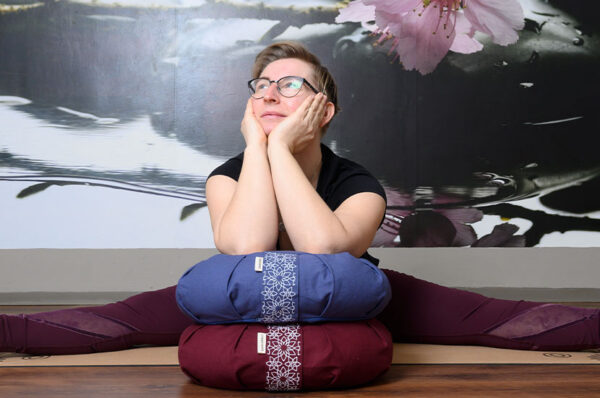
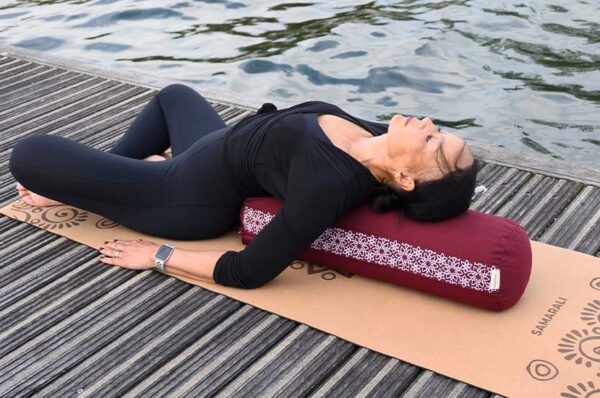
- Use props freely: Blocks, blankets, and bolsters are not signs of weakness. They help you find proper alignment and protect your joints while you build strength and flexibility.
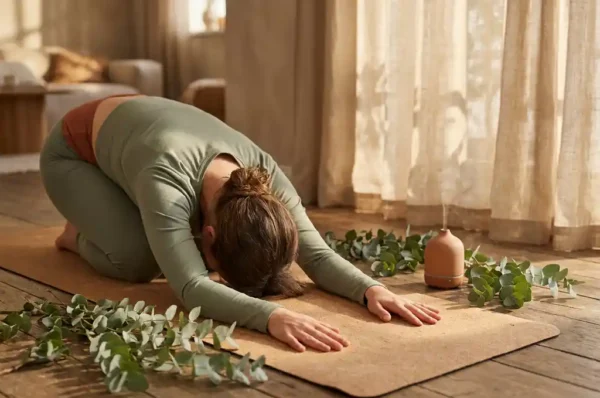
- Listen to your body: Vinyasa can be intense, and knowing when to rest in Child’s Pose is a skill every practitioner develops over time.
With consistent practice, most beginners find that Vinyasa becomes more intuitive within a few weeks. The physical and mental rewards make the initial learning curve well worth it, and many people who start with gentler styles eventually find that Vinyasa becomes their preferred practice as their confidence grows.
Frequently Asked Questions
How often should I practice Vinyasa yoga to see real results?
For noticeable improvements in strength, flexibility, and mental well-being, aim to practice Vinyasa yoga 3–4 times per week. Consistency matters more than duration, so even 30-minute sessions practiced regularly will yield better results than occasional longer sessions. As your body adapts, you can gradually increase frequency or intensity to continue progressing.
What should I eat and drink before a Vinyasa class?
Because Vinyasa is physically dynamic, it’s best to practice on a relatively empty stomach. Aim to eat a light meal 2–3 hours before class, or a small snack like a banana or handful of nuts about 30–60 minutes beforehand. Hydration is equally important — drink water consistently throughout the day leading up to your session, and have water available nearby during practice, especially in heated Vinyasa classes.
What is the difference between Vinyasa yoga and Power yoga?
Power yoga is largely derived from Vinyasa and shares the same breath-synchronized, flowing structure, but it places a stronger emphasis on building muscular strength and is typically more intense and fitness-focused in its approach. Vinyasa, by contrast, tends to prioritize the meditative quality of the flow alongside the physical challenge. Think of Power yoga as a more athletic variation within the broader Vinyasa family.
Can I practice Vinyasa yoga if I have an injury or a chronic condition?
In many cases, yes — but it’s essential to consult your healthcare provider or a physical therapist before starting, and to inform your yoga teacher about your condition before class begins. A knowledgeable Vinyasa instructor can offer pose modifications and alternatives that allow you to participate safely. For certain injuries, such as wrist or shoulder issues, some poses like Chaturanga may need to be temporarily avoided or significantly modified.
How do I know if I'm breathing correctly during a Vinyasa flow?
In Vinyasa, the standard breathing technique is Ujjayi breath — a slow, controlled breath through the nose that creates a soft, ocean-like sound at the back of the throat. As a general rule, inhales accompany upward or expansive movements (like lifting the arms or opening the chest), while exhales accompany downward or contracting movements (like folding forward or lowering into Chaturanga). If you find yourself holding your breath or gasping, it’s a clear signal to slow down or rest in Child’s Pose until your breath returns to a steady rhythm.
What are the most common mistakes beginners make in Vinyasa yoga, and how can I avoid them?
The most common mistakes include rushing through transitions to keep up with the class, neglecting proper alignment in favor of speed, and skipping rest poses like Child’s Pose when the body needs a break. Another frequent error is gripping the mat or tensing the face and jaw, which signals unnecessary strain. To avoid these pitfalls, always prioritize breath over pace, use props to support correct alignment, and remember that resting when needed is a legitimate and respected part of any Vinyasa practice.
Is Vinyasa yoga enough on its own, or should I combine it with other forms of exercise?
Vinyasa yoga can absolutely serve as a complete standalone practice, as it addresses strength, flexibility, balance, cardiovascular fitness, and mental well-being simultaneously. However, depending on your personal goals, it pairs exceptionally well with complementary activities such as walking, cycling, or strength training for added variety and cross-training benefits. If your goal is sport-specific performance or significant muscle hypertrophy, supplementing Vinyasa with targeted resistance training would be beneficial.