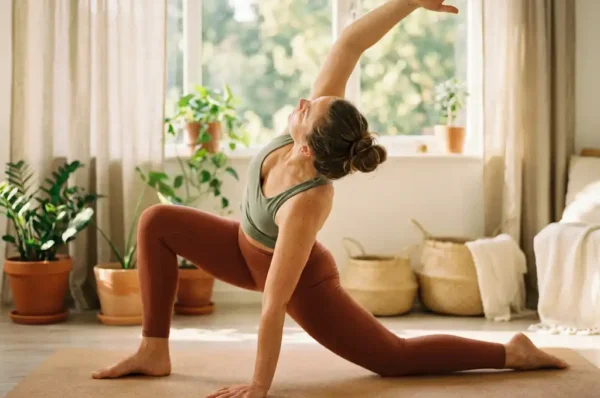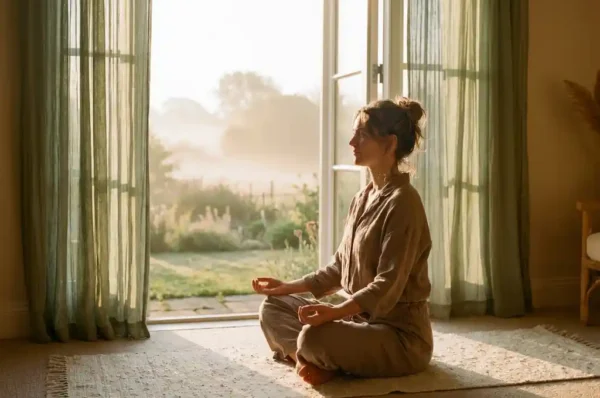



Yoga for chronic pain management combines gentle physical movements, breathing techniques, and mindfulness practices to help reduce persistent pain and improve quality of life. This therapeutic approach works by addressing both the physical and mental aspects of chronic pain, offering a sustainable way to manage symptoms naturally. Understanding how to start and maintain this practice safely can provide long-term relief alongside other pain management strategies.
What exactly is yoga for chronic pain management and how does it work?
Therapeutic yoga for chronic pain is a specialised approach that uses modified poses, breathing exercises, and meditation techniques specifically designed for people experiencing ongoing pain conditions. Unlike regular yoga classes, this practice focuses on gentle movements that do not aggravate existing pain while promoting healing and relief.
The practice works through several interconnected mechanisms:
- Physical relief: Gentle movements help release muscle tension and improve circulation, reducing inflammation and stiffness around painful areas while supporting better posture and movement patterns
- Nervous system regulation: Deep, controlled breathing activates the body’s relaxation response, helping calm the nervous system and interrupting pain signals travelling to the brain
- Stress reduction: Mindful breathing techniques reduce stress hormones that often worsen chronic pain conditions, creating a more conducive environment for healing
- Mental reframing: Mindful movement and meditation practices help change your relationship with pain, reducing the anxiety and fear that often amplify discomfort
This comprehensive approach addresses chronic pain as both a physical and psychological experience, breaking the cycle of pain-related stress while promoting natural healing mechanisms. The combination of these elements creates a powerful tool for managing persistent pain conditions holistically.
Which yoga poses are safest and most effective for chronic pain relief?
Gentle, restorative poses offer the safest starting point for chronic pain management, focusing on supported positions that encourage relaxation without strain:
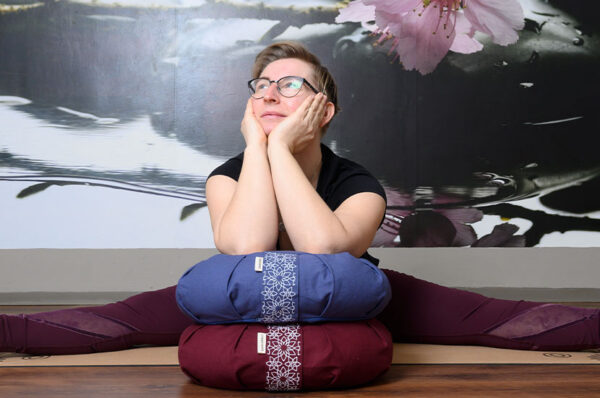
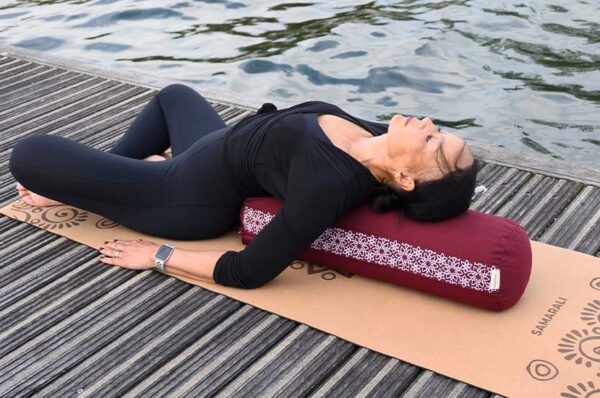
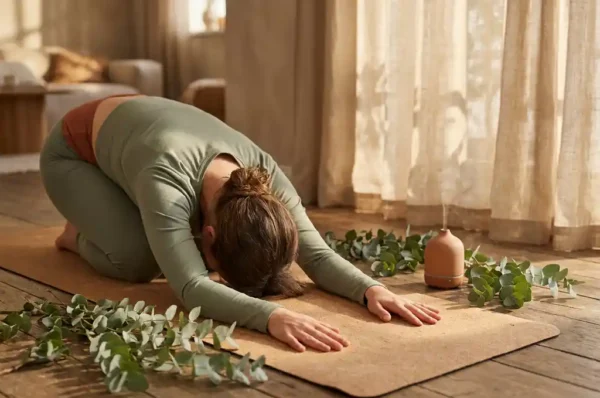
- Restorative poses: Child’s pose, supported bridge pose, and gentle spinal twists using props like bolsters and blocks allow complete relaxation while maintaining beneficial positioning for healing circulation
- Cat-cow stretches: Provide gentle spinal mobility and help reduce back and neck stiffness through slow, controlled movements that can be modified for chairs or hands-and-knees positions
- Hip openers: Reclined butterfly pose and similar gentle hip releases address lower back pain by releasing tension in hip flexors and surrounding muscles without forcing uncomfortable positions
- Supported forward folds: Help calm the nervous system while gently stretching the spine and hamstrings, particularly effective when done with props for support
These poses work together to address common areas of tension and pain while maintaining safety through supported, gentle movements. Always avoid poses that cause sharp pain or require extreme flexibility, focusing instead on positions that promote relaxation and gradual improvement within your comfortable range of motion.
How do you start a yoga practice when you’re dealing with chronic pain?
Starting slowly with qualified instruction provides the safest foundation for yoga practice with chronic pain:
- Find appropriate instruction: Look for instructors trained in therapeutic yoga or experienced with pain conditions, as they understand necessary modifications and safety considerations for your specific needs
- Begin gradually: Start with short 10-15 minute sessions focusing on gentle breathing and simple movements, allowing your body to adapt while building confidence in the practice
- Adapt to your abilities: Consider chair yoga or supported floor poses if mobility is limited, as many beneficial techniques can be modified for different physical capabilities
- Communicate openly: Share your specific pain conditions and limitations with instructors, who can offer modifications and alternatives to help you find beneficial positions without discomfort
- Develop home practice: Use online resources or recordings from attended classes to create familiar routines you can do at home on your preferred yoga mats, providing flexibility when pain levels fluctuate
This systematic approach ensures you build a sustainable practice that works with your body rather than against it. Starting with proper guidance and gradually developing independence allows you to maintain consistency while adapting to the natural fluctuations that come with chronic pain conditions.
What should you expect when using yoga for long-term pain management?
Gradual improvement over weeks and months represents realistic expectations for yoga-based chronic pain management:
- Initial benefits: Most people notice improved sleep and reduced stress within the first few weeks, while physical pain relief typically develops more slowly with consistent practice
- Holistic progress: Track improvements in pain levels, sleep quality, mood, and daily function rather than focusing solely on pain intensity, as coping abilities often improve significantly even when pain persists
- Natural fluctuations: Expect variations in your practice and pain levels, with some days feeling better than others as part of the normal chronic condition experience
- Integrated approach: Yoga therapy works best alongside medical treatment and physiotherapy, enhancing overall pain management rather than replacing necessary medical care
- Long-term benefits: Sustained practice typically leads to improved flexibility, better stress management, enhanced sleep quality, and increased confidence in body movement
These expectations help create a realistic framework for your yoga journey, recognising that while complete pain elimination may not occur, significant improvements in quality of life and pain management capabilities are achievable. The key lies in consistency and patience, allowing the cumulative benefits to develop naturally over time.
Building a sustainable yoga practice for chronic pain management requires patience, consistency, and the right support. The combination of gentle movement, mindful breathing, and stress reduction techniques offers a valuable tool for long-term pain management. At Samarali, we understand the importance of supporting your wellness journey with sustainable, mindfully crafted yoga accessories. Our organic cotton yoga blanket and plastic-free packaging reflect our commitment to both your personal healing and environmental responsibility, creating products that align with your values while supporting your therapeutic practice.
Browse our selection of thoughtfully crafted collection of sustainable yoga essentials—designed for mindful movement and made with respect for the planet.