


Power yoga builds strength through continuous bodyweight resistance and dynamic flow sequences, creating functional muscle development that differs significantly from isolated weight training. Unlike weights that target specific muscles, power yoga engages multiple muscle groups simultaneously while integrating flexibility, balance, and breath awareness. This approach develops practical strength that translates directly to daily movements and activities.
What makes power yoga different from traditional strength training?
Power yoga creates strength through dynamic bodyweight resistance and flowing sequences that challenge muscles in multiple planes of movement simultaneously. Unlike traditional weightlifting, which isolates specific muscle groups, power yoga integrates strength building with flexibility, balance, and coordination in every pose.
The continuous-flow nature of power yoga means your muscles work under tension for extended periods, building both strength and endurance. When you hold a Warrior III pose or flow through a vinyasa sequence, you’re engaging your core, arms, legs, and stabilizing muscles all at once. This creates what fitness professionals call compound movement patterns that mirror real-world activities.
Traditional weight training typically focuses on progressive overload through external resistance, allowing you to isolate and target specific muscles. Power yoga, however, uses your body weight as variable resistance that changes with each pose and transition. This approach builds strength that’s inherently balanced and functional, as you can’t develop one muscle group without engaging supporting muscles throughout your body.
How does bodyweight resistance in power yoga build functional strength?
Bodyweight resistance in power yoga builds functional strength by using your own weight as resistance while requiring stabilization and control through full ranges of motion. This creates strength that directly applies to everyday activities like lifting, reaching, and maintaining balance in unstable situations.
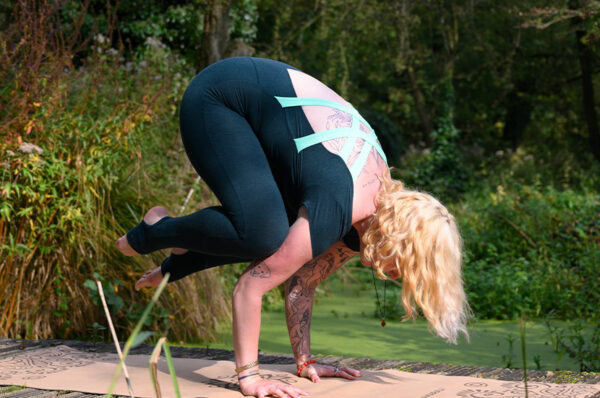
When you practice poses like chaturanga or side plank, you’re not just building arm or core strength in isolation. You’re training your entire kinetic chain to work together, developing the coordination and stability needed for real-world movements. Your nervous system learns to recruit multiple muscle groups efficiently, creating strength patterns that transfer to activities outside the yoga studio.
Power yoga’s emphasis on compound movements means you develop strength through natural movement patterns. Poses like warrior sequences train your body to generate power from your legs, transfer it through your core, and express it through your arms—exactly how you move when carrying groceries, playing sports, or navigating daily physical challenges. This integrated approach builds strength that’s both practical and sustainable.
Why does power yoga create better mind-muscle connection than weights?
Power yoga develops a superior mind-muscle connection through its emphasis on breath awareness, precise alignment, and mindful movement patterns that require constant mental engagement with your body’s position and muscular activation throughout each pose.
The breath-synchronized movement in power yoga forces you to maintain awareness of both your breathing and muscular engagement simultaneously. This dual focus strengthens the neural pathways between your brain and muscles, improving what’s called proprioception—your body’s ability to sense its position and movement in space. You learn to feel subtle differences in muscle activation and make micro-adjustments throughout each pose.
Unlike weight training, where you might focus primarily on moving the external load, power yoga requires you to continuously monitor internal sensations. You must feel which muscles are working, how your alignment affects stability, and how your breath influences your strength. This constant internal awareness builds a sophisticated understanding of your body that enhances both performance and injury prevention. Many practitioners find this heightened body awareness carries over into all their physical activities.
What are the long-term benefits of choosing power yoga over weights for strength?
Power yoga offers several distinct advantages for sustainable strength development that make it superior to traditional weightlifting for long-term physical wellness:
- Joint health preservation – The flowing movements keep joints mobile while building strength, preventing the stiffness and reduced range of motion that can develop from repetitive weight training
- Integrated flexibility maintenance – Each practice naturally includes stretching and mobility work, maintaining the flexibility that often decreases with isolated strength training
- Reduced cumulative stress – Eliminates the progressive loading demands that can create wear on joints, tendons, and ligaments over time
- Balanced muscle development – Holistic sequences ensure proportional strength development across all muscle groups and movement planes
- Sustainable progression – Strength increases through improved technique and pose variations rather than constantly adding external load
- Injury prevention focus – Develops smaller stabilizing muscles that are often neglected in traditional weight training
These benefits create a comprehensive approach to strength building that supports lifelong physical wellness. Unlike weightlifting, which can become increasingly challenging to maintain safely as you age, power yoga adapts naturally to your body’s changing needs while continuing to build functional strength, flexibility, and body awareness that enhance quality of life at any stage.
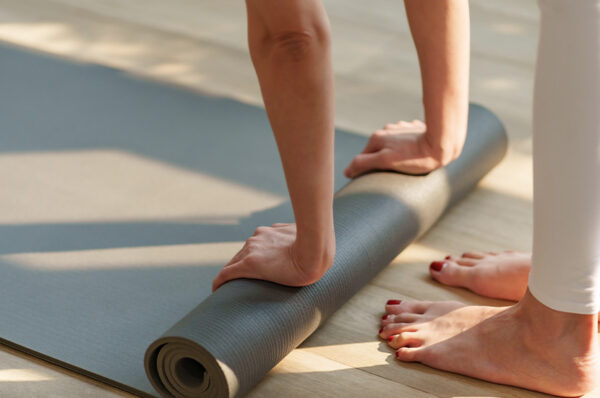
Both power yoga and weight training offer valuable approaches to building strength, but power yoga’s integration of flexibility, mindfulness, and functional movement creates a more sustainable path to long-term physical wellness. The practice builds not just muscular strength, but also the body awareness, joint health, and movement quality that support an active lifestyle at any age. Having the right foundation is essential for your practice, which is why choosing quality yoga mats that provide proper support and stability can enhance your power yoga experience. Consider exploring complete yoga sets that include essential props like bolsters and blocks to deepen your practice safely. At Samarali, we support your power yoga journey with sustainable yoga products made from organic materials and packaged without plastic, because we believe your wellness practice should benefit both your body and the planet.
Browse our selection of thoughtfully crafted collection of sustainable yoga essentials—designed for mindful movement and made with respect for the planet.