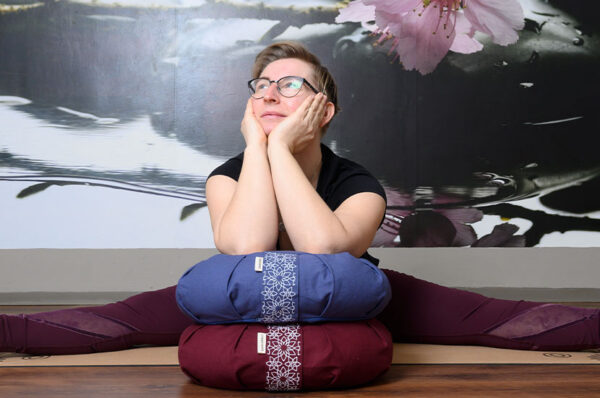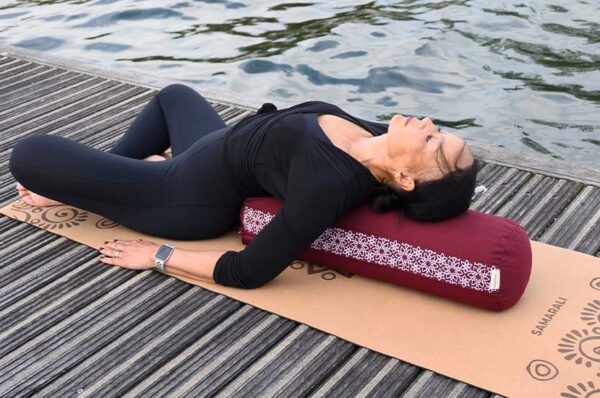



Yoga and sustainability share the same foundation: mindfulness, intentionality, and a commitment to practices that restore rather than deplete. Yet the rapid commercialisation of yoga has flooded the market with plastic-based, chemically treated gear that directly contradicts these values, leaving eco-conscious practitioners confused about which products are genuinely sustainable and which are simply marketed that way. Learning how to choose sustainable yoga equipment starts not with swapping every item you own for an “eco” version, but with buying fewer, better-quality pieces made from materials that are honest about their origins and impact. This guide walks you through the core materials to prioritise, the certifications that carry real weight, and the red flags that reveal greenwashing, so every purchasing decision you make supports both your practice and the planet.
What makes yoga equipment truly sustainable?
Truly sustainable yoga equipment meets several key criteria that distinguish it from conventional gear:
- Responsible material sourcing – Materials come from renewable sources without harmful chemicals, pesticides, or synthetic additives that damage ecosystems during production
- Ethical manufacturing processes – Brands use renewable energy, fair labour practices, and water-conscious production methods while minimising waste
- Minimal environmental packaging – Companies avoid plastic packaging entirely, opting for recyclable cardboard, biodegradable materials, or reusable containers
- End-of-life recyclability – Products biodegrade naturally or can be recycled into new products, contrasting with conventional gear that sits in landfills for decades
These four pillars work together to ensure that genuinely sustainable yoga products minimise environmental impact across their entire lifecycle, from raw material extraction through to end-of-life disposal. Responsible material sourcing, ethical manufacturing, minimal plastic-free packaging, and end-of-life recyclability are the benchmarks worth measuring any brand against. Practitioners must remain especially vigilant about greenwashing: brands that use vague terms like “eco-friendly” or “conscious” without backing those claims with recognised third-party certifications such as GOTS, Fair Trade, FSC, or OEKO-TEX Standard 100, or with transparent, named supply chain information.
Which materials should you look for in eco-friendly yoga gear?
Several natural materials stand out for their sustainability credentials, environmental performance, and suitability across different types of yoga equipment:
- Organic cotton – Grows without synthetic pesticides or fertilisers, protecting soil health while providing soft, breathable fabric that improves with age for straps, bolsters, and meditation cushions
- Natural rubber – Harvested from rubber trees without harming the plant, offering superior grip and durability for mats that decompose completely after 5-10 years of use
- Cork – Harvested from cork oak bark without damaging trees, naturally resisting bacteria while providing excellent grip even during sweaty practices for blocks and mat surfaces
- Hemp – Fast-growing plant requiring minimal water that produces remarkably durable fibres for straps and bags, often lasting longer than conventional alternatives
- Recycled materials – Some companies create mats from recycled wetsuit material or plastic bottles, diverting waste from landfills when properly designed for end-of-life recyclability
These sustainable materials deliver strong performance across yoga mats, blocks, straps, and bolsters while actively supporting environmental health, in sharp contrast to petroleum-based synthetics like PVC and TPE. PVC mats can take over 500 years to decompose and require chemical plasticisers such as phthalates that are linked to hormone disruption, while natural rubber fully biodegrades within 5 to 10 years and cork oak trees absorb significantly more CO2 after harvesting than before. Organic cotton uses up to 91% less water than conventional cotton and eliminates synthetic pesticide runoff. When choosing eco-friendly yoga gear, prioritising natural rubber, cork, organic cotton, and hemp creates a foundation for both effective practice and genuine environmental stewardship, not just a greener-sounding label.
Your sustainable brand checklist: how to avoid greenwashing in yoga gear
Distinguishing authentic sustainable yoga brands from those engaging in greenwashing requires specific, actionable research steps rather than general impressions. Use this checklist when evaluating any brand:
- Brand transparency – Examine websites for specific information about material sourcing locations, manufacturing processes, and supply chain details that ethical companies openly share
- Recognised certifications – Look for GOTS (Global Organic Textile Standard) for organic cotton, Fair Trade for ethical labour practices, and FSC (Forest Stewardship Council) for cork and wood-based products
- Direct communication – Ask brands specific questions about their sustainability practices; genuine companies welcome inquiries and provide detailed answers about sourcing, energy use, and disposal options
- Third-party verification – Check if brands participate in environmental initiatives, support reforestation projects, or contribute to sustainability research beyond their product offerings
- Business model alignment – Evaluate whether sustainability extends throughout operations, from renewable energy use in offices to carbon-neutral shipping options
Authentic sustainable brands demonstrate their commitment through multiple, verifiable touchpoints: named sourcing locations, named manufacturing partners, third-party certification logos with verifiable licence numbers, and clear end-of-life guidance for their products. Watch for these red flags that indicate greenwashing rather than genuine sustainability: no third-party certifications listed anywhere on the site; use of terms like “eco-conscious” or “green” without substantiation; no information on product disposal or take-back programmes; carbon offset claims without a named, verified certification body; and packaging described as “sustainable” without specifying the materials used. A brand that is genuinely committed to sustainability will make this information easy to find, not buried in footnotes or absent entirely.
Choosing sustainable yoga equipment is one of the most direct ways to align your practice with your values around environmental stewardship and conscious consumption. By understanding the four pillars of genuine sustainability, recognising which materials like natural rubber, cork, and organic cotton deliver real environmental benefits, and using a clear checklist to identify authentic ethical brands, you can make purchasing decisions that go beyond good intentions. At Samarali, we apply these same standards to everything we create, from our organic cotton yoga accessories to our plastic-free packaging, because we believe that a sustainable practice should extend from the mat to the supply chain.
Browse our collection of thoughtfully crafted sustainable yoga essentials, designed for mindful movement and made with respect for the planet.