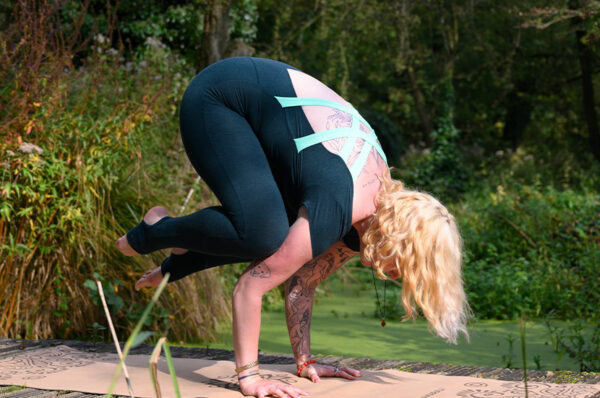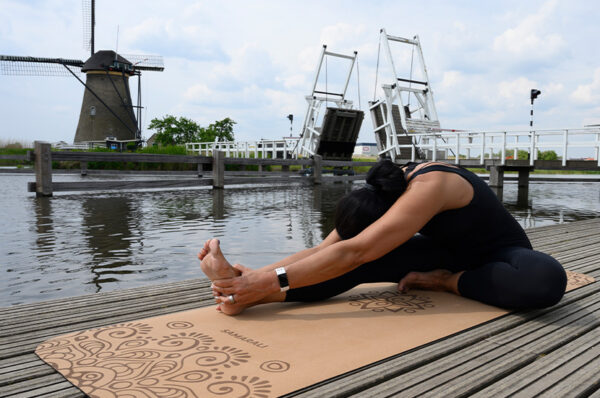



Cork and rubber yoga mats each offer distinct advantages for practitioners. Cork mats provide antimicrobial properties and improve grip when wet, making them ideal for hot yoga. Rubber mats deliver superior cushioning and durability for intensive practices. The choice depends on your practice style, environmental values, and personal preferences for texture and performance.
What makes cork and rubber yoga mats different from each other?
Cork and rubber mats come from completely different sources and manufacturing processes, creating unique characteristics that affect your practice experience:
- Material origins: Cork is harvested from the bark of cork oak trees without harming the tree, creating a renewable material with natural antimicrobial properties, while rubber mats are made from natural latex tapped from rubber trees or synthetic materials
- Texture and feel: Cork feels firm and slightly textured with a natural grip that improves with moisture, whereas rubber feels softer and more cushioned for better joint protection
- Manufacturing processes: Cork mats combine ground cork with natural binders for bacteria resistance, while rubber undergoes vulcanisation to create elastic, durable surfaces
- Temperature response: Cork maintains neutral temperature throughout practice, while rubber starts cool and warms up with use
These fundamental differences in material composition and processing create distinct performance characteristics that suit different practice styles and preferences. Understanding these variations helps you choose the mat that best supports your yoga journey and aligns with your values.
Which material offers better grip and stability during practice?
Grip and stability performance vary significantly between cork and rubber mats, depending on your practice conditions and style:
- Moisture-activated grip: Cork mats provide superior traction when hands and feet are sweaty, actually improving grip as moisture increases, making them excellent for hot yoga and intense practices
- Consistent dry grip: Rubber mats excel in dry conditions with reliable traction for beginners and stable support during standing poses, though some surfaces become slippery when wet
- Dynamic movement support: Cork’s firm surface offers excellent feedback for precise alignment and works brilliantly for arm balances and challenging transitions
- Cushioned stability: Rubber provides better stability for restorative practices and extended holds thanks to superior joint cushioning and shock absorption
Your choice should align with your typical practice environment and intensity level. Cork excels in heated studios and sweat-heavy sessions, while rubber performs consistently in air-conditioned spaces and gentler practices, ensuring you maintain proper form and safety throughout your routine.
How do cork and rubber mats compare for environmental sustainability?
Sustainable yoga mats made from cork and natural rubber offer different environmental benefits and considerations:
- Renewable harvesting: Cork harvesting actually benefits cork oak forests by encouraging tree growth and supporting biodiversity, with trees living for hundreds of years
- Rubber sourcing impact: Responsibly sourced natural rubber supports sustainable forestry and farming communities, though some plantations contribute to deforestation, requiring careful source verification
- End-of-life disposal: Cork mats biodegrade naturally without harmful residues, while natural rubber biodegrades more slowly than cork, and synthetic rubber creates long-lasting waste
- Manufacturing footprint: Cork processing requires minimal chemical treatment and energy input, whereas rubber processing involves more intensive manufacturing and chemical treatments
- Packaging considerations: Both materials benefit from plastic-free packaging and minimal, recyclable materials to reduce overall environmental impact
When evaluating sustainable yoga mats, cork generally offers superior eco-credentials throughout its lifecycle, from harvesting through disposal. However, responsibly sourced natural rubber provides a good environmental alternative to synthetic materials, making both options significantly better than conventional PVC mats for environmentally conscious practitioners.
What should you consider when choosing between cork and rubber yoga mats?
Several key factors should guide your decision between cork and rubber yoga mats:
- Practice style alignment: Hot yoga practitioners benefit from cork’s sweat-activated grip, while gentle or restorative practices suit rubber’s superior cushioning and joint protection
- Budget and value: Cork mats cost more initially but offer excellent durability, while rubber provides good value across price ranges with varying longevity depending on quality
- Maintenance requirements: Cork needs minimal cleaning and naturally resists odours and bacteria, while rubber requires more frequent cleaning and special care to maintain grip and prevent odour build-up
- Personal comfort preferences: Some practitioners prefer cork’s firm, natural feel for stability and feedback, while others favour rubber’s softer cushioning for joint comfort
- Environmental values: Cork offers superior eco-credentials with renewable harvesting and biodegradability, while responsibly sourced natural rubber provides a good alternative to synthetic materials
These considerations work together to create your ideal mat choice, balancing immediate comfort and performance needs with long-term durability and environmental impact. Testing both materials when possible helps you understand which feels better for your body and supports your practice goals most effectively.
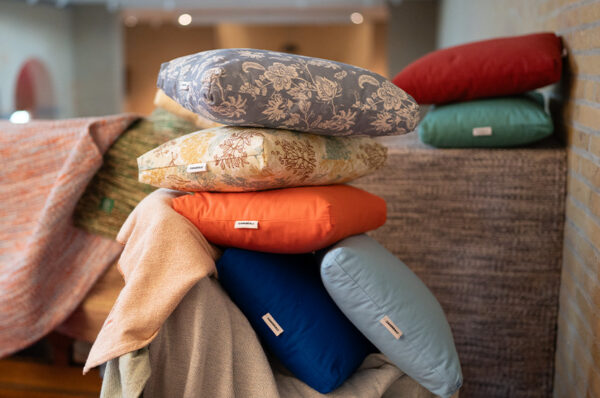
Choosing between cork and rubber yoga mats ultimately depends on balancing performance needs with personal values. Both materials offer unique benefits for different practice styles and preferences. Consider exploring complementary accessories like yoga bolsters and organic cotton yoga blankets to enhance your practice further. At Samarali, we understand that finding the right mat supports both your yoga journey and environmental consciousness, which is why we focus on sustainable materials and plastic-free packaging in all our products.
Browse our selection of thoughtfully crafted collection of sustainable yoga essentials—designed for mindful movement and made with respect for the planet.