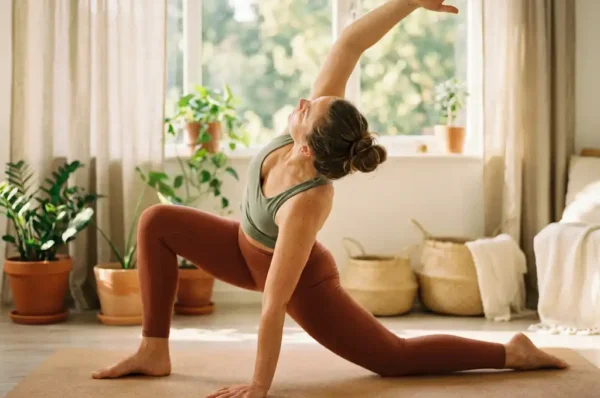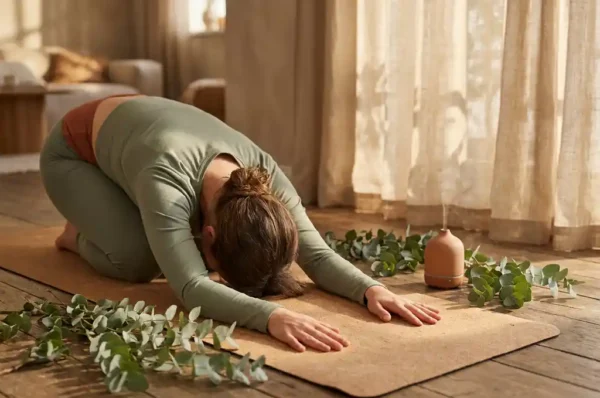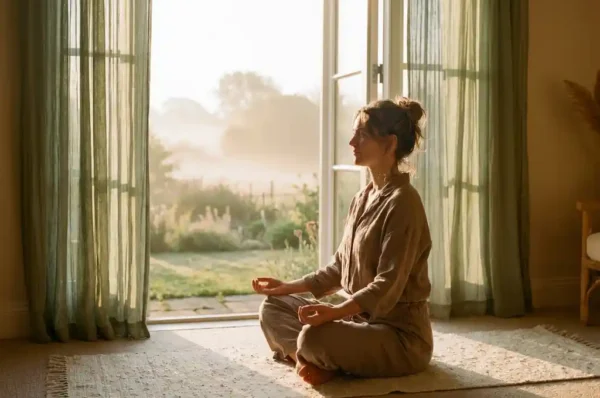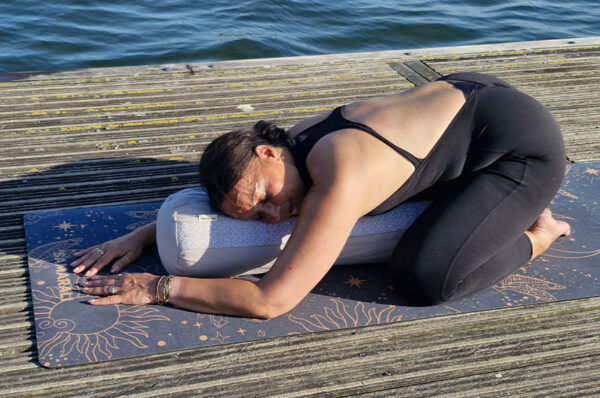



The best environment for breathwork is one that is quiet, comfortable, and free from distractions, whether indoors or outdoors. What matters most is that you feel safe enough to fully relax, breathe deeply, and stay present without interruption. The sections below break down the key environmental factors, practical setup tips, and how shared spaces fit into the picture.
Does indoor or outdoor breathwork give better results?
Neither indoor nor outdoor breathwork is universally better. The most effective environment is the one where you feel most at ease and least distracted. Outdoors, fresh air and natural surroundings can deepen relaxation and enrich the sensory experience. Indoors, you gain control over temperature, noise, and privacy, which makes it easier to stay consistent regardless of the weather or season.
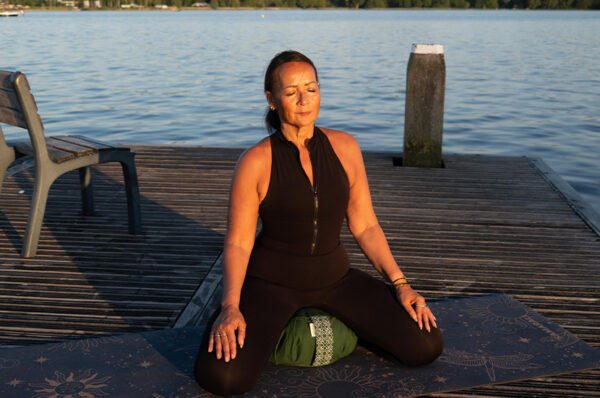
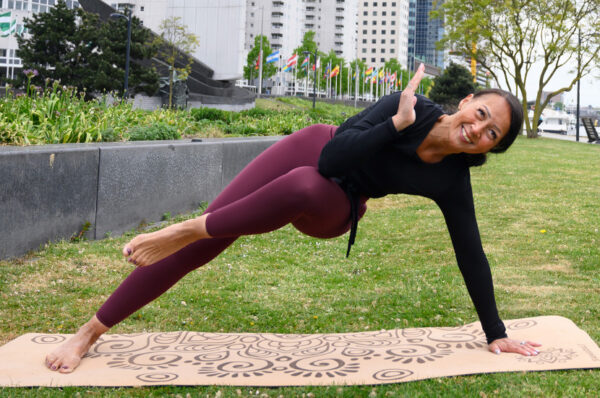
Outdoor breathwork, especially in green spaces, parks, or near water, can amplify a sense of calm and connection. Natural sounds like birdsong or a gentle breeze can support a meditative state without effort. However, unpredictable noise, wind, insects, or cold temperatures can disrupt the rhythm of your practice, particularly in techniques that require precise breath timing.
Indoor practice offers reliability. You can return to the same space, at the same time, with the same conditions, and that consistency builds a stronger habit. Many experienced practitioners prefer indoor sessions for deeper or more intensive breathwork techniques precisely because external variables are removed. For beginners especially, starting indoors helps you focus on the breath itself rather than managing your surroundings.
The honest answer is to experiment with both. Use outdoor settings when you want an energising, grounding quality, and lean on indoor practice when you need depth, stillness, or emotional safety.
What environmental factors matter most during breathwork?
The environmental factors that matter most during breathwork are air quality, temperature, noise level, lighting, and physical comfort. These elements directly affect your nervous system’s ability to shift into the relaxed, open state that breathwork requires. Even small irritants, like a draught on your neck, a harsh light overhead, or a distant television, can keep your body in a low-grade state of alertness.
Air quality and temperature
Good air quality is fundamental. Stale, stuffy air makes deep breathing feel laboured, while fresh or gently circulated air supports full, easy inhales. Aim for a room temperature between roughly 18 and 22 degrees Celsius. Too cold and your muscles tense up; too warm and you become drowsy before the practice has a chance to work.
Noise and lighting
Low, consistent ambient sound is far easier to work with than sudden or unpredictable noise. Many practitioners use soft instrumental music, nature sounds, or simply silence to maintain focus. For lighting, soft and warm is better than bright and clinical. Natural light filtered through curtains, candlelight, or a dim lamp signals to the brain that it is safe to slow down, which supports the parasympathetic activation that breathwork is designed to encourage.
How should you set up a breathwork space at home?
To set up a breathwork space at home, choose a quiet corner or room, clear the floor area, and gather a few simple supports for your body. You do not need a dedicated room or expensive equipment. What you need is a consistent spot that your mind begins to associate with stillness and intentional breathing.
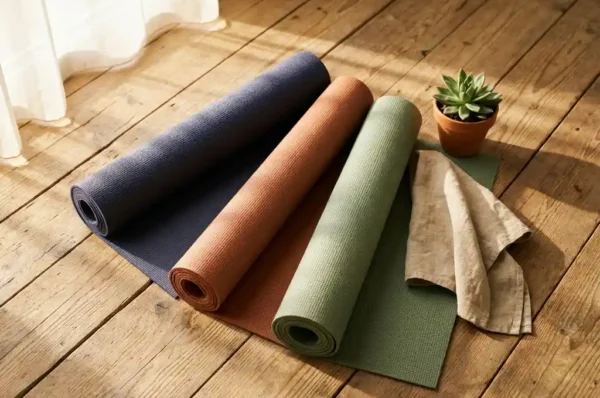
Start with the floor surface. A supportive mat provides cushioning and defines your space. Place a meditation mat or yoga mat beneath you to create a grounded, comfortable base. From there, add whatever your body needs to feel fully supported. A bolster under your knees eases lower back tension during lying-down practices, and a blanket keeps you warm as your body temperature drops during longer sessions.
Consider these setup steps:
- Choose a low-traffic area where you are unlikely to be interrupted for at least 20 to 30 minutes.
- Ventilate the room briefly before you begin, then close windows if outdoor noise is a concern.
- Dim the lights or use a candle to signal a shift in mental state.
- Keep your phone on silent and out of reach.
- Have a blanket nearby, as the body cools quickly during relaxed breathwork.
- If you sit upright for your practice, use a meditation cushion to support your posture without strain.
The goal is to remove every small friction point so that when you arrive at your space, your only job is to breathe.
Can you do breathwork in a group or shared space?
Yes, breathwork works well in a group or shared space, and for many people it works even better. Practising alongside others creates a collective energy and accountability that can make it easier to drop into a deeper state. Group breathwork sessions, whether in a studio, community hall, or outdoor gathering, are a well-established format used in therapeutic, spiritual, and wellness contexts.
In a shared space, a few practical considerations help maintain the quality of the environment for everyone. Agreement on noise levels, phone use, and movement before the session begins removes potential disruptions. A facilitator or guide is especially valuable in group settings because they can manage the pacing, hold the space, and support anyone who has an intense emotional response, which is not uncommon in deeper breathwork practices.
Shared spaces at home, such as a living room used by a partner or housemate, can also work well with a little communication. Letting others know you need 20 minutes of quiet is usually enough. If you practise regularly as part of a broader meditation or wellness routine, those around you will quickly learn to respect the time.
The key in any group or shared setting is mutual respect for the practice. When everyone in the space understands the intention, the environment becomes supportive rather than distracting, and breathwork becomes a shared experience rather than a solitary one.
Ready to create your ideal breathwork space? At Samarali, you will find everything you need to set up a calm, supportive environment at home. From a grounding meditation mat and a comfortable yoga bolster to a cosy organic cotton yoga blanket that keeps you warm during longer sessions, each piece is designed to help you settle deeper into your practice. Explore the full meditation sets collection and find the support your breathwork deserves — shop now.
Frequently Asked Questions
How long should a breathwork session last for beginners?
For beginners, starting with sessions of 5 to 10 minutes is ideal before gradually extending to 20 or 30 minutes as your comfort and focus improve. Shorter sessions in a well-prepared environment are far more effective than longer sessions where your mind is restless or your body is uncomfortable. As you build familiarity with the practice and your space, you will naturally find it easier to settle in and sustain longer sessions.
What should I do if I can't find a quiet space at home for breathwork?
If a truly quiet space is not available, use soft background music, white noise, or nature soundscapes through headphones to create an acoustic boundary between you and household noise. Early mornings or late evenings are often the quietest windows in a busy home, making them ideal times to practise. Communicating your schedule to those you live with, even just a quick heads-up that you need 15 to 20 uninterrupted minutes, can make a significant difference over time.
Are there breathwork techniques that are better suited to outdoor environments?
Yes, energising and grounding techniques such as box breathing, diaphragmatic breathing, and simple mindful breathing translate particularly well to outdoor settings because they are less dependent on precise timing and are generally less intense. Techniques that involve extended breath holds, hyperventilation patterns, or deep emotional release are better practised indoors where you have more control, physical support, and privacy. If you are newer to breathwork, starting with gentler techniques outdoors is a great way to connect with nature while building your practice.
Is it safe to do breathwork alone at home, or should I always have a guide?
Gentle breathwork techniques such as diaphragmatic breathing, 4-7-8 breathing, or box breathing are generally safe to practise alone at home for most healthy adults. However, more intensive techniques such as holotropic or rebirthing breathwork can produce strong physical and emotional responses, including lightheadedness, tingling, or surfacing emotions, and are best experienced initially with a trained facilitator present. If you have any cardiovascular, respiratory, or mental health conditions, always consult a healthcare professional before beginning a breathwork practice.
Can scent or aromatherapy enhance my breathwork environment?
Yes, scent can be a powerful environmental cue that signals to your brain it is time to shift into a calm, focused state. Essential oils such as lavender, frankincense, or eucalyptus are commonly used alongside breathwork to support relaxation or mental clarity, depending on the practice. A diffuser, a lightly scented candle, or even a drop of essential oil on your wrist can help anchor your practice over time, as your nervous system begins to associate the scent with the breathwork state.
How do I handle distractions or interruptions mid-session?
If an interruption occurs, the most effective approach is to pause without frustration, address it briefly if necessary, and return to your breath using a few slow, deliberate exhales to re-enter the practice. Setting up your environment in advance, including silencing your phone, locking the door if possible, and informing others in your space, removes most interruptions before they happen. Over time, the ritual of preparing your space becomes part of the practice itself, training both your mind and your environment to support uninterrupted focus.
What is the best time of day to practise breathwork for maximum benefit?
The best time of day depends on your goal and your schedule. Morning breathwork, particularly energising techniques, can set a focused and calm tone for the rest of the day, while evening sessions using slower, more relaxing techniques can help decompress the nervous system and improve sleep quality. The most important factor is consistency, so the best time is ultimately the one you can commit to regularly, whether that is first thing in the morning, during a lunch break, or before bed.