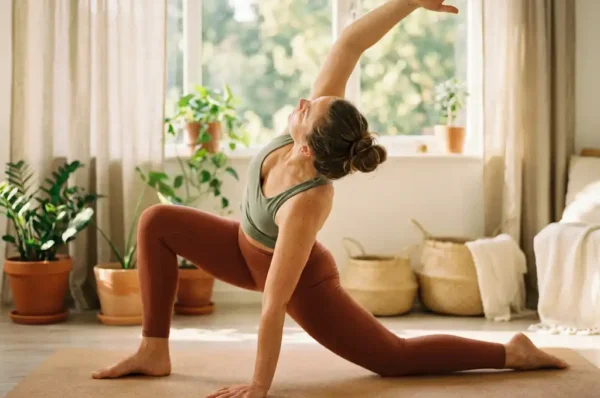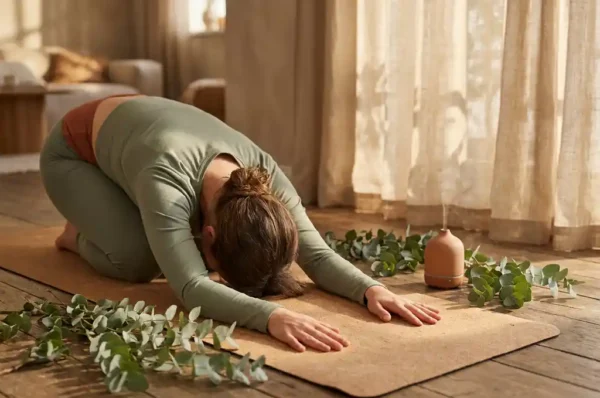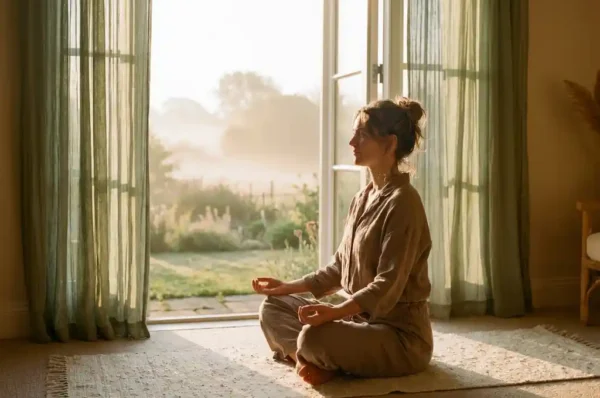



Breathwork and meditation are related but distinct practices. Breathwork uses deliberate breathing techniques to actively shift your physical and mental state, while meditation is typically a quieter practice focused on awareness, observation, and presence. Both support wellbeing, but they work through different mechanisms and suit different moments in your day or wellness routine.
Understanding how each practice functions helps you choose the right tool for what you actually need, whether that is calming your nervous system quickly, deepening your focus, or building long-term emotional resilience. Below, we break down the most common questions people have when comparing the two.
Can breathwork and meditation be used for the same purpose?
Yes, breathwork and meditation can both be used to reduce stress, improve focus, and support emotional regulation. However, they achieve these outcomes through different pathways. Breathwork tends to produce faster, more immediate physiological changes, while meditation builds long-term mental clarity and awareness over time. They overlap in purpose but not always in method or timeline.
Both practices have roots in ancient traditions and are now widely supported by modern wellness research. They share a common goal: helping you feel more grounded, present, and at ease. For many people, the distinction matters less than simply finding a practice they will actually stick with.
Where they diverge is in how actively engaged you are. Breathwork asks you to do something specific with your breath, following a pattern, rhythm, or technique. Meditation more often invites you to simply observe, including observing the natural rhythm of your breath without controlling it. One is active, the other is receptive.
How does breathwork affect the body differently than meditation?
Breathwork directly influences the autonomic nervous system by altering the pace, depth, and pattern of your breathing. This creates measurable, rapid changes in heart rate, oxygen levels, and stress hormones. Meditation, by contrast, produces its physical benefits more gradually, primarily through sustained attention training that reduces the stress response over time rather than in the moment.
When you practice breathwork, you are essentially using your breath as a lever to shift your body’s state. Slow, extended exhales activate the parasympathetic nervous system, which is responsible for rest and recovery. Faster, more energising breathing patterns can increase alertness and energy. These shifts can happen within minutes, which is why breathwork is often used before a stressful event or during acute anxiety.
Meditation works more subtly on the body. Regular practice is associated with lower baseline cortisol levels, improved sleep quality, and reduced blood pressure over weeks and months. The body changes not because you are directly manipulating a physiological process in the moment, but because you are rewiring habitual mental and emotional responses over time. Think of breathwork as a quick adjustment and meditation as a long-term renovation.
Should you do breathwork or meditation for anxiety and stress?
For immediate anxiety relief, breathwork is generally more effective because it directly regulates the nervous system within minutes. For managing chronic stress and building long-term emotional resilience, meditation tends to be more impactful. Ideally, both have a place in a wellbeing routine, serving different needs at different moments.
If you are in the middle of a stressful moment, a simple breathwork technique such as box breathing or a slow, extended exhale can interrupt the stress response quickly. Your nervous system responds to the breath signal almost immediately, which makes breathwork a practical tool you can use anywhere, anytime.
For deeper, ongoing anxiety, meditation builds the mental habits that prevent stress from escalating in the first place. By regularly practicing non-reactive awareness, you become less likely to be hijacked by anxious thoughts over time. The two approaches complement each other well: breathwork handles the acute moments, and meditation changes how you relate to stress at a foundational level.
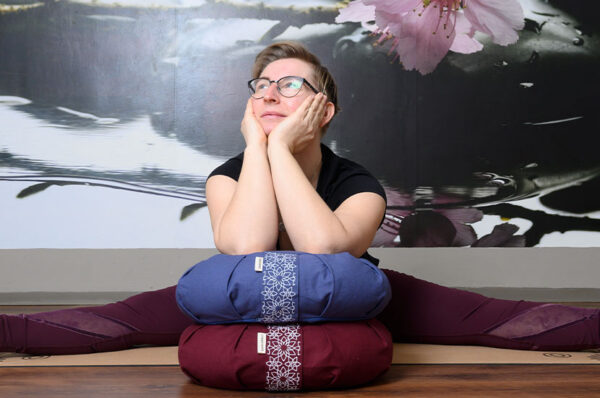
Creating a calm, dedicated space for either practice can make a real difference to consistency. A comfortable meditation setup, including a supportive cushion or mat, helps signal to your mind and body that it is time to slow down.
Can you practice breathwork and meditation together?
Yes, breathwork and meditation can be practiced together, and many traditions naturally combine them. A common approach is to begin a session with a few minutes of intentional breathwork to settle the nervous system and release physical tension, then transition into a quieter meditative state. This sequence allows the body to arrive before the mind is asked to be still.
Many yoga and mindfulness traditions already blend the two seamlessly. Pranayama, the yogic practice of breath control, is considered a direct preparation for meditation in classical yoga philosophy. The breath is used to clear mental noise so that deeper states of awareness become more accessible. In this sense, breathwork is not separate from meditation but a bridge into it.
You do not need to follow a strict sequence. Some people find that a brief body scan or breath awareness exercise at the start of meditation is enough. Others prefer a more active breathwork practice before sitting quietly. Experimenting with both approaches will help you discover what works best for your body and your schedule.
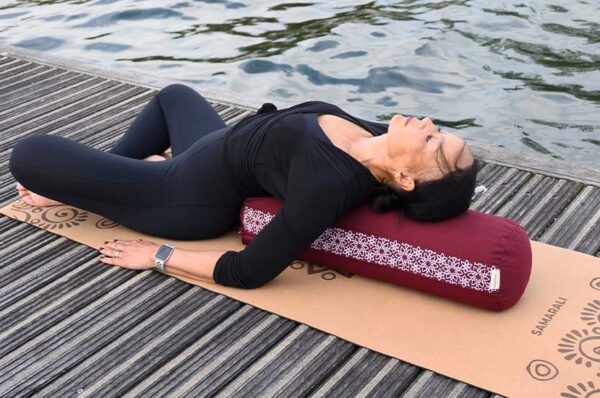
If you are building a home practice that includes both, having the right tools nearby makes the transition between active breathwork and stillness much smoother. A meditation mat or a yoga bolster can support your posture during both phases, helping you stay comfortable and focused throughout your session.
Frequently Asked Questions
How long should a breathwork or meditation session be for a beginner?
For beginners, even 5 to 10 minutes per session is enough to start experiencing benefits from either practice. With breathwork, a few focused minutes of a simple technique like box breathing or extended exhales can produce noticeable results right away. With meditation, consistency matters more than duration, so a short daily session will serve you better than an occasional long one. As you grow more comfortable, you can gradually extend your sessions to 15–20 minutes or longer.
What if I feel dizzy or lightheaded during breathwork?
Dizziness during breathwork is common, especially with techniques that involve faster or deeper breathing, and it is usually caused by a temporary shift in carbon dioxide levels. If this happens, simply return to your natural breathing rhythm and rest for a moment before continuing. It is a signal to slow down, not push through. If lightheadedness persists or you have any underlying cardiovascular or respiratory conditions, consult a healthcare professional before practicing more intense breathwork techniques.
I struggle to quiet my mind during meditation — does that mean I am doing it wrong?
Not at all — a busy mind during meditation is completely normal and does not mean you are failing. The goal of meditation is not to stop thoughts but to notice them without getting carried away by them. Each time you catch yourself lost in thought and gently return your attention to the present moment, that is the practice working exactly as it should. Over time, this repeated act of redirecting attention is what builds mental clarity and emotional resilience.
Are there specific breathwork techniques that are best for beginners?
Yes, a few beginner-friendly techniques are widely recommended for their simplicity and effectiveness. Box breathing (inhale for 4 counts, hold for 4, exhale for 4, hold for 4) is easy to learn and excellent for calming the nervous system quickly. The 4-7-8 method (inhale for 4, hold for 7, exhale for 8) is another gentle option known for reducing anxiety and supporting sleep. Starting with slow, extended exhales is perhaps the simplest entry point of all — just making your exhale longer than your inhale activates the parasympathetic nervous system almost immediately.
Can I practice breathwork or meditation if I have never done either before and have no instructor?
Absolutely — both practices are highly accessible and can be started independently using guided audio, apps, or online videos. Apps like Insight Timer, Calm, or Wim Hof’s guided sessions offer structured beginner programs for both meditation and breathwork at no cost. Starting with guided sessions is especially helpful because they provide pacing, cues, and reassurance while you are still building familiarity. Once you feel comfortable with the basics, you can gradually practice without guidance and develop a routine that feels natural to you.
How do I know whether breathwork or meditation is the right fit for my personality or lifestyle?
A good starting point is to consider whether you are drawn to active, structured practices or quieter, more open-ended ones. If you find it hard to sit still, feel restless during silence, or want faster, more tangible results, breathwork may feel more accessible and rewarding at first. If you are drawn to stillness, self-inquiry, or developing a more observational relationship with your thoughts, meditation may resonate more naturally. That said, many people find that trying both for a few weeks reveals something unexpected — the practice that seemed less appealing often becomes the more transformative one.
How soon can I expect to notice results from either practice?
With breathwork, many people notice a shift in their physical and emotional state within the very first session, since the physiological effects on the nervous system are relatively immediate. With meditation, subtle changes in focus, reactivity, and mood often begin to appear within two to four weeks of consistent daily practice. Longer-term benefits — such as reduced baseline anxiety, improved sleep, and greater emotional resilience — tend to deepen over months. The most important factor for both practices is regularity rather than session length.
Whether you are drawn to the immediate calm of breathwork or the quiet depth of a regular meditation practice, having the right support makes all the difference. At Samarali, you will find everything you need to create a dedicated space for both. From a meditation mat and yoga bolster to a full meditation set, each piece is thoughtfully designed to help you settle in, stay comfortable, and go deeper. Shop the meditation collection at Samarali and find what your practice has been missing.