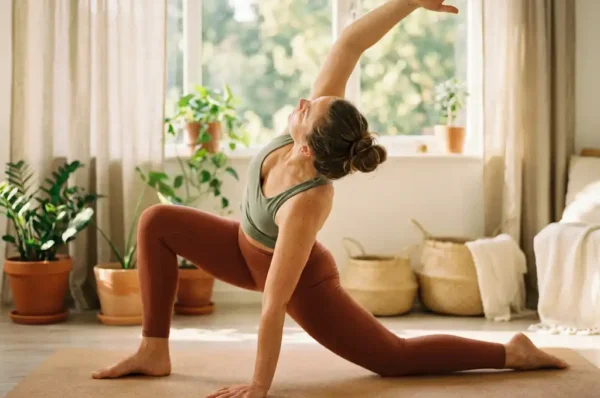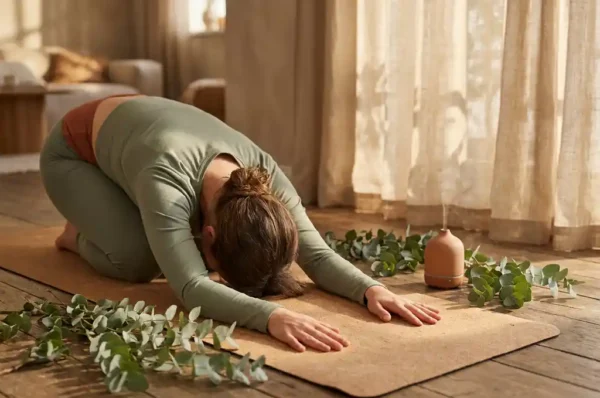



Yin yoga and vinyasa yoga are two distinct styles with very different approaches to movement, breath, and the body. Yin yoga is slow, passive, and focused on holding poses for several minutes to target deep connective tissue, while vinyasa is dynamic, flowing, and builds heat through continuous movement linked with breath. The right choice depends on what your body and mind need on any given day, and many practitioners find real value in both.
Which yoga style is better for beginners?
Both yin yoga and vinyasa yoga are accessible to beginners, but they suit different personalities and goals. Yin yoga tends to be more approachable physically because poses are done on the floor with minimal strength required. Vinyasa can feel more energising and structured, which some beginners find motivating. Neither is objectively better — it comes down to what draws you in.
If you are someone who prefers stillness, reflection, and a gentler introduction to yoga philosophy, yin yoga offers a welcoming entry point. You hold each pose for two to five minutes, which gives you time to settle in, explore your breath, and become familiar with how your body feels without the pressure of keeping up with a flowing sequence.
If you are more energetic, enjoy music and movement, or want to build strength and coordination alongside flexibility, vinyasa may feel more natural from the start. The continuous flow can make a class feel like it passes quickly, which some beginners appreciate. That said, vinyasa does require more body awareness and coordination, so some people find it helpful to take a beginner-specific class before diving into a general vinyasa session.
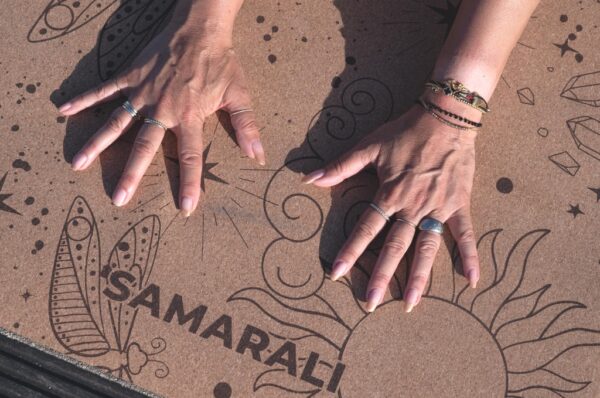
A good approach for complete beginners is to try both and notice how each one leaves you feeling afterward. Arriving at your first class with a supportive yoga mat that offers grip and cushioning makes a real difference in either style.
How does yin yoga work on the body differently than vinyasa?
Yin yoga targets the body’s deep connective tissues, including fascia, ligaments, and joint capsules, by applying gentle, sustained stress over time. Vinyasa works primarily on the muscles, building strength, endurance, and cardiovascular fitness through dynamic, repetitive movement. The two styles essentially operate on different layers of the body.
In yin yoga, you relax the surrounding muscles on purpose so that the stretch can reach deeper into the tissue. This is why poses are held for several minutes rather than seconds. The long hold gently stresses the connective tissue in a way that encourages it to become more hydrated and pliable over time. This is particularly beneficial for joint health and range of motion, especially in areas like the hips, lower back, and inner thighs.
Vinyasa, on the other hand, engages the muscles actively. You move through sequences that build heat, increase circulation, and develop muscular strength and tone. The rhythmic connection between breath and movement also has a significant effect on the nervous system, often leaving practitioners feeling energised and clear-headed after a session.
Because they work on different structures, yin and vinyasa yoga are genuinely complementary rather than competing. Practicing one does not replace the benefits of the other.
Can you practice yin yoga and vinyasa yoga together?
Yes, you can absolutely practice yin yoga and vinyasa yoga together, and many experienced practitioners do exactly that. Combining the two styles gives you a well-rounded practice that addresses both the muscular and connective tissue layers of the body, as well as the full range of your nervous system from stimulated to deeply settled.
There are a few ways to combine them effectively. Some people practice vinyasa in the morning and yin in the evening, using the active style to energise the day and the passive style to wind down before sleep. Others alternate between styles on different days, giving their body variety and recovery time.
One approach to be mindful of is doing yin yoga immediately before an intense vinyasa session. Because yin temporarily loosens the connective tissue around joints, moving straight into demanding vinyasa flows could place those joints under more load than is ideal. Doing vinyasa first and yin afterward, however, works well and is a format used in some studios as a combined class.
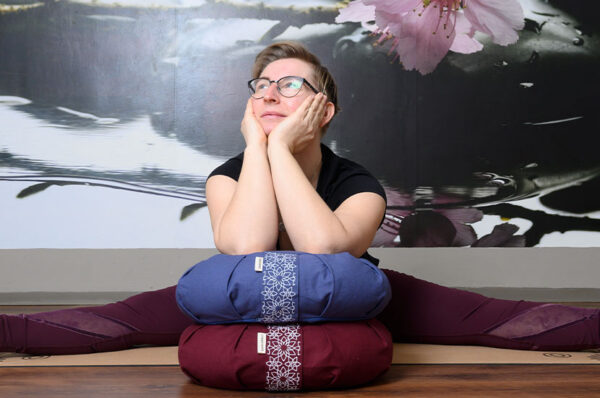
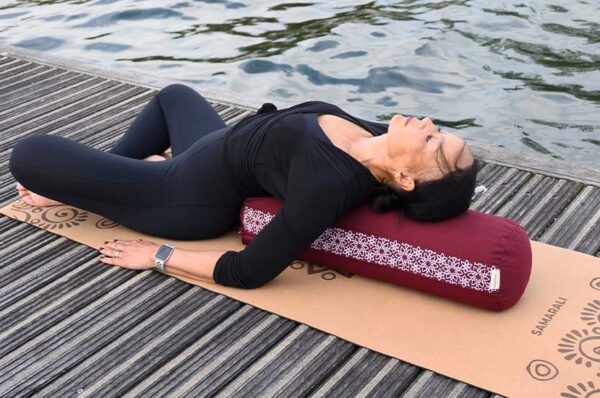
If you practice yin regularly, having props nearby makes a significant difference. A yoga bolster supports the body in long-held poses and allows you to fully release tension rather than straining to maintain a position.
When should you choose yin over vinyasa, or vice versa?
Choose yin yoga when your body or mind needs rest, recovery, or deep release. Choose vinyasa when you want to build energy, strength, or cardiovascular fitness. The decision is less about which is better and more about reading what you actually need on a given day.
Yin yoga is particularly well suited to:
- Days when you feel physically tired or emotionally drained
- Recovery days after intense physical activity
- Times of high stress or anxiety when you want to activate the parasympathetic nervous system
- Periods when you want to work on flexibility and joint mobility
- Evening practice to prepare the body and mind for sleep
Vinyasa yoga tends to be the better choice when:
- You want to build strength, endurance, or muscle tone
- You need a mental reset through movement and focus
- You are looking for a cardiovascular workout within your yoga practice
- You want to feel energised and motivated for the day ahead
- You enjoy variety and creativity in sequencing
Listening to your body honestly is the most reliable guide. Some weeks you may find yourself drawn almost entirely to yin because life feels full and demanding. Other weeks, vinyasa feels exactly right. Over time, developing a practice that includes both styles tends to serve the body and mind more fully than sticking exclusively to one.
Whatever style you choose, the right props and equipment can make every session more comfortable, more effective, and easier to sustain. At Samarali, you will find everything you need to support both styles — from a natural rubber yoga mat that provides grip and cushioning through every vinyasa flow, to a yoga bolster and organic cotton yoga blanket that make long yin holds deeply restorative. Build a practice space that truly supports you — shop the full yoga collection at Samarali.
Frequently Asked Questions
How long does it take to notice results from yin yoga compared to vinyasa?
With vinyasa yoga, many people notice improvements in strength, stamina, and mood within a few weeks of consistent practice, as the muscular and cardiovascular benefits build relatively quickly. Yin yoga works on a slower timeline because connective tissue adapts more gradually than muscle — most practitioners begin noticing meaningful improvements in joint mobility and flexibility after four to eight weeks of regular practice. That said, the calming effect on the nervous system can be felt almost immediately after your first yin session.
I have tight hips and lower back pain — which style should I start with?
Yin yoga is generally the more targeted choice for tight hips and chronic lower back tension, as its long-held poses directly stress the fascia and connective tissue in those areas in a gentle, therapeutic way. Poses like Butterfly, Dragon, and Sleeping Swan are specifically designed to release the hips and decompress the lumbar spine over time. That said, a beginner-friendly vinyasa class can also help by strengthening the surrounding muscles that support the lower back. Using a yoga bolster or folded blanket under your hips during yin poses can make the practice more accessible and comfortable from the start.
Can yin yoga replace stretching after a vinyasa workout?
Yin yoga can absolutely serve as a deep and effective cool-down after a vinyasa session, and in many ways it goes further than conventional post-workout stretching. Because you hold poses for two to five minutes rather than 30 seconds, yin reaches the connective tissue and fascia that standard stretching rarely addresses. Practicing a short 20–30 minute yin sequence after vinyasa is a popular and well-supported combination — your muscles are already warm, which makes it easier to settle into the deeper holds safely. Just be mindful not to push aggressively into the end range of a pose immediately after intense movement.
What is the biggest mistake beginners make in yin yoga?
The most common mistake in yin yoga is trying to go as deep as possible into every pose, treating it like a flexibility competition rather than a practice of stillness and release. In yin, you are aiming for a mild to moderate sensation — enough to feel the tissue being gently stressed, but not so much that you are gripping or bracing against the discomfort. Another frequent error is skipping props; using a bolster, block, or blanket to support the body properly allows you to fully relax the muscles, which is exactly what makes yin work. Ease into each pose gradually and let gravity do the work over time.
How many times a week should I practice each style?
A balanced weekly routine for most people might include two to three vinyasa sessions and one to two yin sessions, though there is no single formula that works for everyone. Vinyasa is more physically demanding, so building in rest or lighter days between sessions helps prevent fatigue and overuse. Yin yoga is gentle enough to practice daily if you wish, and many people find a short yin session in the evening a sustainable and calming habit. Start with what fits your schedule and energy levels, then adjust based on how your body responds over the first few weeks.
Do I need different equipment or clothing for yin versus vinyasa yoga?
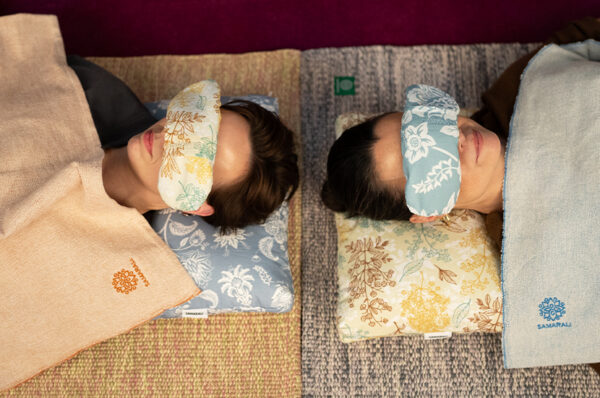
Your core equipment — a good quality, grippy yoga mat — works well for both styles. However, yin yoga benefits greatly from props like a bolster, yoga blocks, and a blanket, since supported, passive holds are central to the practice. For vinyasa, breathable, form-fitting activewear that moves freely with you is ideal, while yin allows for looser, warmer clothing since your body temperature drops during long, still holds. If you practice yin in a cooler room or in the evening, keeping a light layer or blanket nearby to cover yourself during final relaxation is a small but worthwhile comfort.
Is yin yoga suitable during injury recovery, or should I stick to vinyasa?
Yin yoga can be a valuable tool during certain phases of injury recovery, particularly for issues involving joint stiffness, restricted range of motion, or connective tissue tightness — but it is essential to work with a qualified teacher and get clearance from a healthcare professional first. Vinyasa, with its dynamic loading and weight-bearing movements, is generally less appropriate in the early stages of recovery from most injuries. The key with yin during recovery is to work well within a comfortable range and never push into sharp or acute pain. A skilled yin teacher can offer modifications that allow you to maintain a gentle practice while respecting the healing process.