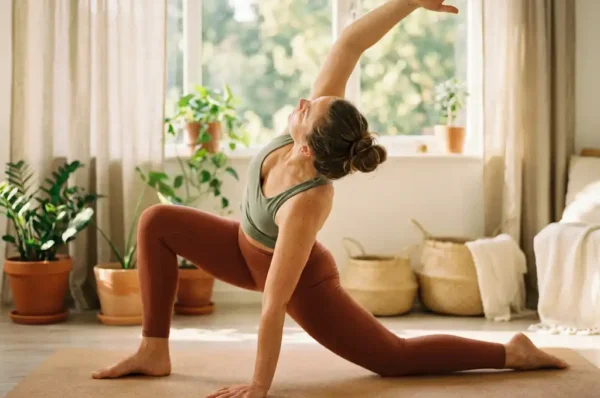



Vinyasa yoga is special because it links breath with movement in a continuous, flowing sequence, making every transition between poses as intentional as the poses themselves. Unlike static yoga styles, vinyasa creates a dynamic, meditative rhythm that builds strength, flexibility, and mental focus simultaneously. This article unpacks what makes vinyasa distinct, its core benefits, who it suits, and what to expect when you walk into your first class.
How is vinyasa yoga different from other yoga styles?
Vinyasa yoga differs from other styles primarily through its emphasis on fluid, breath-synchronized movement rather than held, static postures. Each inhale and exhale cues a specific transition or pose, creating a seamless flow from one movement to the next. This continuous connection between breath and action is what defines vinyasa and sets it apart from more structured or restorative practices.
Compared to Hatha yoga, which typically holds poses for longer periods with rest between them, vinyasa keeps you in constant, purposeful motion. Ashtanga yoga shares a similar flowing approach but follows a fixed sequence in every class. Vinyasa, by contrast, gives teachers creative freedom to design varied sequences, so no two classes feel exactly the same. Yin yoga and restorative yoga sit at the opposite end of the spectrum, using long, passive holds to target deep connective tissue and promote relaxation rather than building heat and endurance.
The word vinyasa itself comes from Sanskrit and loosely translates to “to place in a special way,” which captures the philosophy perfectly. Every movement is deliberate, every breath has a purpose, and the sequence is designed to build logically from warm-up through peak poses to cool-down.
What are the main benefits of practicing vinyasa yoga?
The main benefits of vinyasa yoga include improved cardiovascular fitness, increased strength and flexibility, stress reduction, and enhanced mental focus. Because the practice is physically demanding and keeps the body moving continuously, it delivers both the mindfulness of traditional yoga and a genuine aerobic workout, making it one of the most well-rounded yoga styles available.
On the physical side, the flowing sequences build functional strength across the whole body. Poses like Chaturanga, Warrior sequences, and arm balances challenge the upper body, core, and legs in ways that static stretching alone cannot. Over time, practitioners typically notice improved posture, a greater range of motion, and better body awareness.
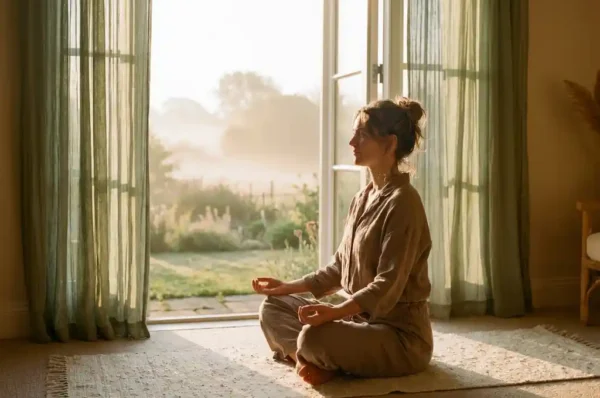
Mentally, the breath-movement connection demands present-moment attention. When you are focused on matching an inhale to an upward sweep of the arms, there is little mental space left for distraction or worry. Many practitioners describe a vinyasa class as a moving meditation, and this quality makes it particularly effective for managing everyday stress and anxiety.
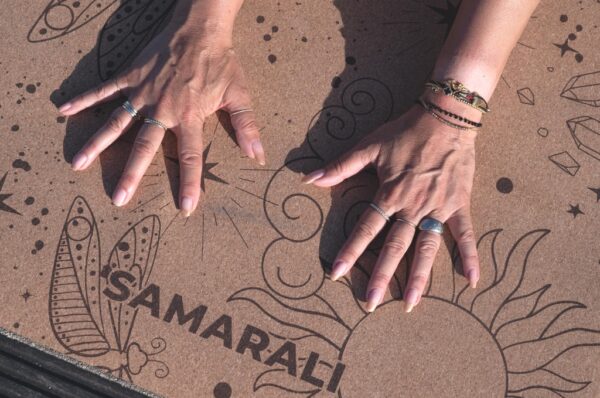
The variety within vinyasa also keeps the practice engaging long-term. Because sequences change from class to class, your body and mind are consistently challenged in new ways, reducing the plateau effect that can make other fitness routines feel stale. Pairing your practice with supportive gear, like a quality yoga mat, can also make a meaningful difference in how grounded and comfortable you feel during flowing sequences.
Is vinyasa yoga suitable for beginners?
Vinyasa yoga is suitable for beginners, though it does require more initial coordination and body awareness than slower-paced styles like Hatha or Yin. Most studios offer beginner or all-levels vinyasa classes specifically designed to introduce the breath-movement connection gradually, and a good teacher will always offer modifications so you can work at your own pace without feeling overwhelmed.
The main challenge for newcomers is learning to link breath with movement while also becoming familiar with common yoga poses. This dual focus can feel demanding at first, but it also means progress tends to be fast. Within a few classes, most beginners find that the rhythm starts to feel natural rather than effortful.
If you are brand new to yoga, a few tips can help you settle in quickly:
- Start with a beginner-specific or all-levels class rather than an advanced flow
- Let go of the expectation to keep up perfectly, especially in the first few sessions
- Focus on your breath above everything else, even if your alignment is not perfect yet
- Use props freely, blocks, straps, and a supportive mat all make the practice more accessible
- Arrive a few minutes early and let the teacher know you are new so they can offer guidance
Beginners with existing injuries or significant physical limitations may benefit from starting with a gentler style first to build a foundation before moving into vinyasa. That said, vinyasa is far more accessible than its reputation sometimes suggests, and many people find it to be the style that finally makes yoga click for them.
What should you expect in a vinyasa yoga class?
In a vinyasa yoga class, you can expect a structured session that moves through a warm-up, a flowing sequence of linked poses, and a cool-down, all guided by breath cues. Classes typically run between 45 and 75 minutes, and the teacher will verbally cue each inhale and exhale alongside each movement, creating a rhythm that carries you through the practice.
Most classes open with grounding movements or breathing exercises to bring your attention inward and prepare the body for movement. From there, the pace picks up as the teacher builds heat through Sun Salutations and foundational standing poses. The middle section of class usually features the peak sequence, which might include balancing poses, backbends, or more challenging transitions depending on the theme of the session.
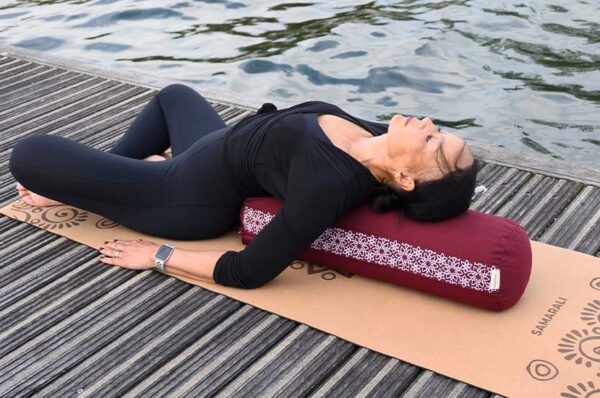
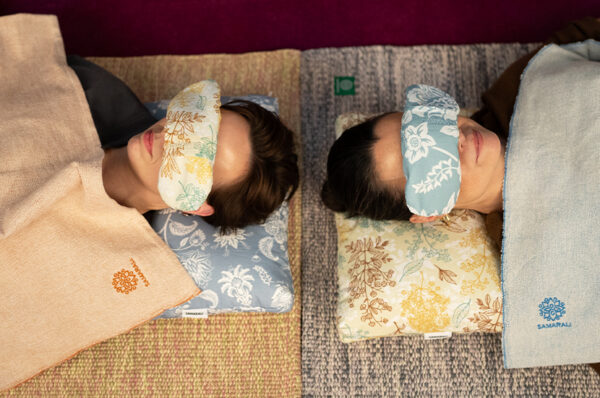
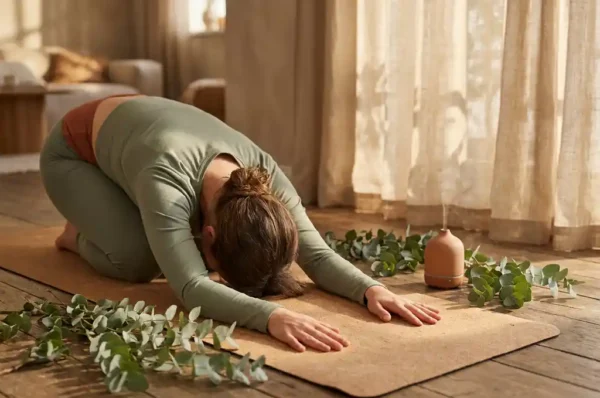
Toward the end, the pace slows deliberately. Seated stretches and forward folds allow the body to release the heat it has built, and class almost always closes with Savasana, a final resting pose where you lie still and let the effects of the practice settle. This closing rest is considered an essential part of vinyasa, not optional, so plan to stay for it.
What you bring to class matters too. A non-slip mat is essential for flowing sequences where your hands and feet need reliable traction. We offer a range of yoga sets that include everything you need to start practicing comfortably and sustainably. Wear fitted or stretchy clothing that moves with you, bring water, and avoid eating a heavy meal in the two hours before class. Beyond that, the only real requirement is a willingness to follow your breath and see where the flow takes you.
Frequently Asked Questions
How often should I practice vinyasa yoga to see real results?
For noticeable improvements in strength, flexibility, and mental clarity, practicing vinyasa yoga 3–4 times per week is a solid target for most people. That said, even one or two consistent sessions per week will produce meaningful progress over time, especially if you are new to the practice. The key is regularity over intensity — a steady, sustainable schedule will always outperform sporadic bursts of effort.
What is the difference between a slow flow and a power vinyasa class, and which should I choose?
Slow flow vinyasa moves through sequences at a gentler pace, holding poses slightly longer and allowing more time to refine alignment and deepen the breath-movement connection — making it ideal for beginners, recovery days, or anyone who prefers a more meditative experience. Power vinyasa, on the other hand, is faster-paced, more physically demanding, and designed to build heat and cardiovascular endurance quickly. If you are just starting out or returning after a break, slow flow is the smarter entry point; once you feel confident with the fundamentals, power vinyasa offers a natural next challenge.
Can vinyasa yoga replace my regular gym or cardio workout?
For many people, a consistent vinyasa practice can absolutely serve as a primary fitness routine, as it simultaneously builds muscular strength, improves flexibility, and elevates the heart rate enough to qualify as moderate aerobic exercise. Studies have shown that vigorous yoga styles like vinyasa can match the cardiovascular benefits of a brisk walk or light jog. However, if your goals include heavy strength training or high-intensity cardio performance, vinyasa works best as a complement to those activities rather than a full replacement.
What are the most common mistakes beginners make in vinyasa yoga, and how can I avoid them?
The most frequent beginner mistakes include holding the breath during challenging poses, rushing through transitions to keep up with the class, and skipping Savasana at the end. The breath is the foundation of vinyasa — if you notice you are holding it, that is a clear signal to slow down or take a modification. Prioritizing your own pace over the group’s tempo will protect you from injury and help you build a more sustainable practice from the start.
Do I need to be flexible before starting vinyasa yoga?
No — flexibility is a result of practicing yoga, not a prerequisite for it. Vinyasa yoga is designed to gradually increase your range of motion over time, and props like blocks and straps exist precisely to make poses accessible at every level of flexibility. Many longtime practitioners started out feeling stiff and found that consistent vinyasa practice transformed their mobility more effectively than stretching alone ever had.
Is it safe to practice vinyasa yoga if I have an injury or a chronic condition?
Vinyasa yoga can be practiced safely with many injuries or chronic conditions, but it requires clear communication with your teacher before class and, ideally, guidance from a healthcare provider familiar with your situation. A skilled vinyasa teacher can offer targeted modifications — for example, avoiding weight-bearing on a wrist injury or bypassing deep backbends for someone with lower back issues. When in doubt, a one-on-one session with a yoga therapist is a worthwhile investment before joining a group class.
What gear or equipment do I actually need to get started with vinyasa yoga?
At minimum, you need a good-quality non-slip yoga mat, as reliable traction is essential for the dynamic transitions in vinyasa. Fitted, stretchy clothing that moves freely with your body is the other non-negotiable. Beyond that, a yoga block and strap are helpful but not mandatory for your first class — most studios provide them. As your practice deepens, investing in a mat with better grip and cushioning will make a noticeable difference in both your comfort and your confidence during flowing sequences.