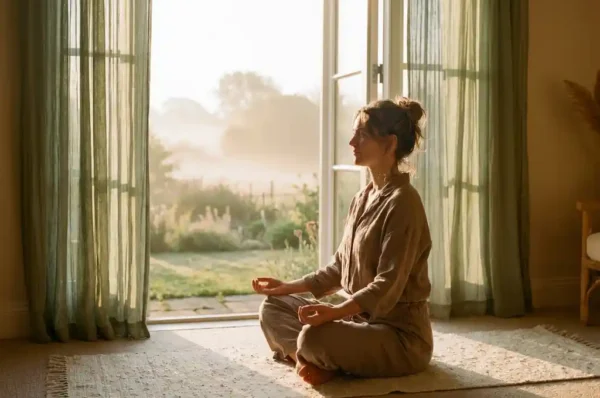



The eight limbs of yoga are a comprehensive framework for spiritual and personal development outlined by the sage Patanjali in the Yoga Sutras. Called “Ashtanga” in Sanskrit (ashta meaning eight, anga meaning limbs), these practices guide yogis through ethical living, physical discipline, breath control, and mental cultivation toward spiritual union. Rather than being just physical exercise, they form an integrated philosophy for mindful living that addresses every aspect of human experience.
What are the eight limbs of yoga and where do they come from?
The eight limbs of yoga originate from Patanjali’s Yoga Sutras, written approximately 2,000 years ago. This ancient text presents Ashtanga yoga as a systematic approach to spiritual development through eight interconnected practices:
- Yamas (ethical restraints) – Guidelines for how we interact with the world around us, including non-violence and truthfulness
- Niyamas (observances) – Personal practices for self-discipline, including cleanliness and contentment
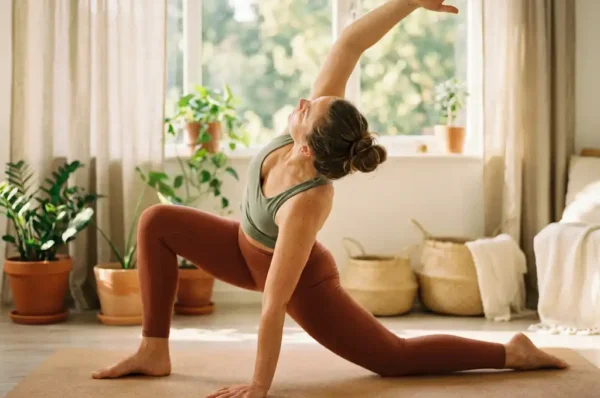
- Asana (postures) – Physical poses that prepare the body for meditation and develop strength and flexibility
- Pranayama (breath control) – Breathing techniques that regulate energy and calm the mind
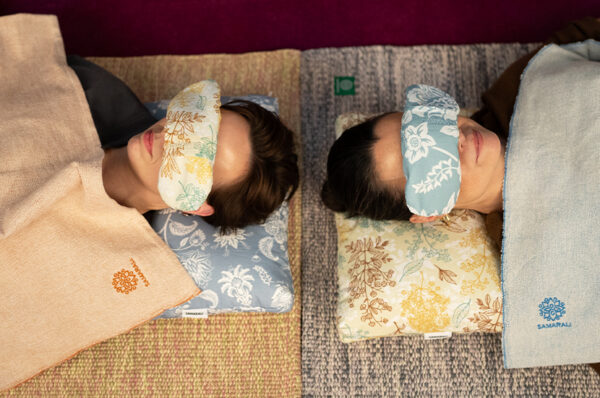
- Pratyahara (withdrawal of the senses) – The practice of turning attention inward, away from external distractions
- Dharana (concentration) – Focused attention on a single object or concept
- Dhyana (meditation) – Sustained awareness that flows naturally from concentration
- Samadhi (union) – The ultimate goal of complete absorption and spiritual connection
These limbs work together as a complete philosophy rather than as isolated practices. Patanjali designed them to support each other, creating a foundation where ethical behaviour strengthens physical practice, which in turn supports mental discipline. This holistic approach recognises that lasting transformation requires attention to how we treat others, ourselves, our bodies, and our minds, making the eight limbs a practical roadmap for integrated personal development.
What’s the difference between the ethical foundations and physical practices in yoga?
The first four limbs create a foundation where ethical guidelines (yamas and niyamas) support and strengthen physical practices (asana and pranayama). The yamas include non-violence, truthfulness, non-stealing, energy management, and non-possessiveness. The niyamas focus on cleanliness, contentment, disciplined practice, self-study, and surrender to something greater than yourself.
These ethical foundations aren’t separate from physical yoga—they directly enhance your practice. When you approach yoga with non-violence (ahimsa), you listen to your body’s limits rather than forcing poses. Truthfulness (satya) helps you acknowledge your actual abilities rather than your ego’s demands. Non-possessiveness (aparigraha) frees you from comparing yourself to others in class.
The physical practices of asana (postures) and pranayama (breathing) then become vehicles for developing these qualities. Your yoga mat becomes a space for practising patience, self-compassion, and presence. Each breath teaches you about finding ease within effort, while each pose offers opportunities to embody the ethical principles in your body.
How do the mental and spiritual aspects of yoga actually work in daily life?
The final four limbs create a pathway for mental clarity and spiritual growth that extends far beyond your yoga mat:
- Pratyahara (withdrawal of the senses) – Helps you step back from sensory overload by choosing when to engage with external stimuli, like turning off notifications during meals
- Dharana (concentration) – Develops your ability to focus on one thing at a time, whether your breath, a work project, or a meaningful conversation
- Dhyana (meditation) – Emerges naturally when concentration becomes effortless, often happening during mindful activities like walking in nature or preparing food
- Samadhi (union) – Represents moments of complete presence where you feel deeply connected to life without the usual sense of separation
These practices help you develop the ability to choose where you place your attention rather than being constantly pulled by external distractions. In our digital age, this skill becomes particularly valuable as it allows you to engage with technology mindfully rather than reactively. The progression from withdrawing the senses to achieving union creates a natural flow that supports both mental wellbeing and spiritual growth in everyday situations, whether during formal meditation practice or mindful daily activities.
Why do these ancient yoga principles matter for modern practitioners?
These ancient principles provide a framework for mindful living that directly addresses contemporary challenges:
- Environmental consciousness – The principle of non-violence (ahimsa) naturally extends to caring for the planet through sustainable choices in food, consumption, and lifestyle
- Stress management – Breathing practices and mental disciplines offer portable tools for managing anxiety without relying solely on external solutions
- Conscious consumption – Non-possessiveness (aparigraha) challenges consumer culture by cultivating contentment with what you have while encouraging thoughtful choices
- Sustainable wellness – The eight limbs promote a balanced relationship with your body and mind that you can maintain throughout life
- Authentic meaning – The ethical guidelines help you align your actions with your values, creating a sense of purpose and integrity
Rather than approaching health as something to fix or optimise, the eight limbs encourage finding the middle path between pushing too hard and giving up entirely. This ancient wisdom provides practical guidance for navigating modern life with greater awareness, compassion, and authenticity, making these timeless principles remarkably relevant for contemporary practitioners seeking holistic wellbeing.
The eight limbs of yoga offer timeless wisdom for navigating modern life with greater awareness, compassion, and authenticity. When we embrace these practices at Samarali, we create products that support this holistic approach to wellbeing. All the fabric used in our yoga and meditation gear is made from organic cotton, and we don’t use any plastic in our product packaging, reflecting the yogic principle of caring for our environment as an extension of caring for ourselves.
Browse our selection of thoughtfully crafted collection of sustainable yoga essentials—designed for mindful movement and made with respect for the planet.