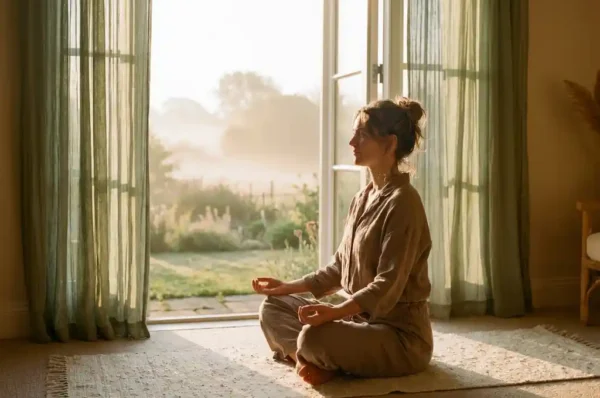



How does meditation help with anxiety? Meditation helps with anxiety by calming your nervous system and changing how your brain responds to stress triggers. Regular meditation practice reduces activity in the amygdala (your brain’s alarm system) while strengthening areas responsible for emotional regulation and rational thinking. This creates lasting neurological changes that help you manage anxious thoughts, panic symptoms, and overwhelming feelings more effectively. Scientific research shows that consistent meditation for anxiety disorders produces measurable brain structure improvements within 8-12 weeks of practice. Let’s explore how meditation transforms your brain and provides practical anxiety relief techniques you can start using today.
What happens in your brain when you meditate for anxiety?
Meditation physically changes your brain structure and function in ways that directly reduce anxiety symptoms and anxiety disorders. During meditation sessions, your amygdala becomes less reactive to stress triggers and panic-inducing situations, while your prefrontal cortex (responsible for rational thinking and emotional control) becomes more active and better connected to emotional processing centres. These neuroplasticity changes explain how meditation helps anxiety by literally rewiring your brain’s default responses to stressful situations.
The amygdala, often called your brain’s smoke detector, normally fires rapidly when it perceives threats or anxiety triggers. Meditation for anxiety teaches this region to respond more calmly to situations that would typically trigger worry, panic attacks, or overwhelming stress responses. Meanwhile, your prefrontal cortex strengthens its ability to regulate emotions and make thoughtful responses rather than reactive ones. This explains how can meditation help with anxiety by creating better communication between your rational mind and emotional centres, allowing you to observe anxious thoughts without being controlled by them.
These neurological changes happen through several key mechanisms:
- Increased grey matter density in areas linked to learning and memory: This enhancement improves your ability to process information calmly and make better decisions under stress
- Reduced grey matter in the amygdala: A smaller, less reactive fear centre means fewer false alarms and less intense anxiety responses
- Increased production of GABA: This calming neurotransmitter naturally counteracts anxiety by slowing down overactive brain circuits
- Decreased cortisol levels: Lower stress hormone production means your body spends less time in fight-or-flight mode
These combined neurological adaptations create a more resilient brain that naturally defaults to calm rather than anxiety and stress responses. The structural changes mean you’ll feel less reactive to daily stressors, experience fewer racing thoughts and worry loops, and recover more quickly from anxious episodes or panic symptoms. This biological transformation explains why meditation provides lasting anxiety relief that extends far beyond your actual practice sessions. Research demonstrates that meditation will help with anxiety by creating permanent changes in brain connectivity, making you naturally more equipped to handle stress, uncertainty, and anxiety-provoking situations in your daily life.
The default mode network, which controls background mental chatter and worry loops, also becomes less active during meditation for anxiety disorders. This network is often hyperactive in people with anxiety conditions, contributing to rumination, catastrophic thinking, and persistent worry about future events. Regular meditation practice quiets this network, explaining why practitioners report fewer racing thoughts, less rumination about future concerns or past regrets, and improved ability to stay present during stressful situations.
How quickly can meditation actually reduce your anxiety symptoms?
You can feel immediate calming effects during meditation sessions, but lasting anxiety reduction typically develops over several weeks of consistent practice. Most people notice improved emotional regulation and reduced anxiety symptoms within 2-4 weeks of daily practice, whilst significant structural brain changes that help with anxiety disorders occur after 8-12 weeks of regular meditation. Understanding this timeline helps set realistic expectations for how meditation helps anxiety over both short and long-term periods.
During your first meditation session, you’ll likely experience temporary anxiety relief through activated parasympathetic nervous system responses. Your heart rate slows, breathing deepens, muscle tension releases, and stress hormones like cortisol begin to decrease. These immediate physiological effects can provide relief from acute anxiety symptoms and last for a few hours after practice, but don’t create permanent neurological changes on their own. However, these early experiences help build confidence that meditation can help with anxiety management.
Here’s what you can typically expect during your meditation journey:
- First week: Better sleep quality and slightly less reactivity to daily stressors as your nervous system begins learning new response patterns
- Weeks 2-4: Previously triggering situations feel more manageable, mental clarity improves, and worrying becomes less frequent as emotional regulation strengthens
- 2-3 months: Significant structural brain changes solidify, creating natural stress response patterns and substantial anxiety reduction that feels effortless
This timeline reflects the brain’s natural neuroplasticity process, where consistent meditation practice gradually rewires neural pathways from anxiety-prone responses to calm and centered reactions. The progression from immediate relief to lasting transformation demonstrates why patience and consistency are essential for meditation’s anti-anxiety benefits. Understanding this timeline helps set realistic expectations and encourages persistence through the initial weeks when changes feel subtle. Research consistently shows that meditation helps anxiety disorder symptoms through these measurable brain changes that compound over time with regular practice.
Some people experience substantial anxiety reduction within six weeks, whilst others need three to four months to feel major improvements in their anxiety symptoms and stress responses. Consistency matters more than session length for anxiety relief. Twenty minutes of daily meditation produces better results than sporadic hour-long sessions when treating anxiety disorders. Don’t expect meditation to eliminate anxiety completely, but rather to give you better tools for managing anxious thoughts, panic symptoms, and overwhelming feelings when they arise. This realistic approach helps explain how meditation helps anxiety as a sustainable, long-term management strategy rather than a quick fix.
Which meditation techniques work best for different types of anxiety?
Mindfulness meditation works well for generalised anxiety disorder, breathing techniques help with panic symptoms and acute anxiety episodes, body scan practices reduce physical tension and somatic anxiety symptoms, and loving-kindness meditation addresses social anxiety disorder and self-critical thoughts. The most effective meditation approach for your anxiety depends on your specific anxiety triggers, symptom patterns, and personal preferences. Understanding how different meditation techniques help with anxiety allows you to choose methods that target your particular challenges most effectively.
For generalised worry and racing thoughts: Mindfulness meditation helps you observe anxious thoughts without getting caught up in worry spirals or catastrophic thinking patterns. You learn to notice when your mind starts spiralling into “what if” scenarios and gently redirect attention to the present moment. This technique builds awareness of anxious thought patterns and reduces their emotional impact over time. Mindfulness meditation for anxiety teaches you to become an observer of your thoughts rather than being controlled by them, which is particularly effective for generalised anxiety disorder symptoms.
For panic symptoms and acute anxiety episodes: Breathing-focused meditation techniques work particularly well because they quickly activate your parasympathetic nervous system and interrupt panic attack progression. Effective breathing methods for anxiety include:
- Box breathing: Inhaling for four counts, holding for four, exhaling for four, holding for four – this creates rhythmic calm that interrupts panic cycles
- 4-7-8 technique: Inhale for 4, hold for 7, exhale for 8 – the extended exhale triggers your body’s natural relaxation response
These breathing practices work so effectively for anxiety because they give your anxious mind a concrete focus while physiologically shifting your body out of fight-or-flight mode. They’re particularly valuable because you can use them anywhere during panic attacks, anxiety episodes, or stressful situations – during meetings, before presentations, in crowded spaces, or whenever you feel panic rising. This accessibility makes breathing meditation one of the most practical tools for managing anxiety symptoms in real-world situations.
For physical tension and somatic symptoms: Body scan meditation addresses anxiety that manifests as physical tension, headaches, digestive issues, muscle tightness, or chronic pain related to stress and anxiety. By systematically focusing on different body parts, you learn to recognise and release anxiety-related muscle tension before it becomes overwhelming. This practice also helps you distinguish between emotional anxiety and physical sensations, which is crucial for understanding how your anxiety affects your body and developing better body awareness for anxiety management.
For social anxiety and self-critical thoughts: Loving-kindness meditation works well for social anxiety disorder by directing compassionate thoughts toward yourself and others, reducing harsh self-judgment and fear of social evaluation. You develop a gentler internal dialogue and reduce anxiety around social interactions, public speaking, and interpersonal situations. This practice helps counter the harsh self-criticism and perfectionism that often accompany anxiety disorders, while building self-compassion and emotional resilience for challenging social situations.
How do you start meditating when anxiety makes it hard to sit still?
Start with shorter sessions and movement-based practices when anxiety makes traditional sitting meditation feel impossible. Walking meditation, guided audio sessions, and even three-minute breathing exercises can provide anxiety relief whilst building your ability to sit still for longer periods. Research shows that meditation helps reduce anxiety by activating the parasympathetic nervous system, lowering cortisol levels, and strengthening prefrontal cortex function, whether you’re sitting, walking, or lying down.
Here are practical approaches for anxious beginners:
- Guided meditation: Begin with just 3-5 minutes using apps or online videos with calm, steady voices that provide structure and direction for restless minds
- Walking meditation: Focus on foot sensations, step rhythm, or breathing while walking slowly – movement helps discharge nervous energy while maintaining mindful awareness
- Counting meditation: Count breaths from one to ten, then start over when your mind wanders – this gives anxious thoughts a simple, repetitive task to focus on
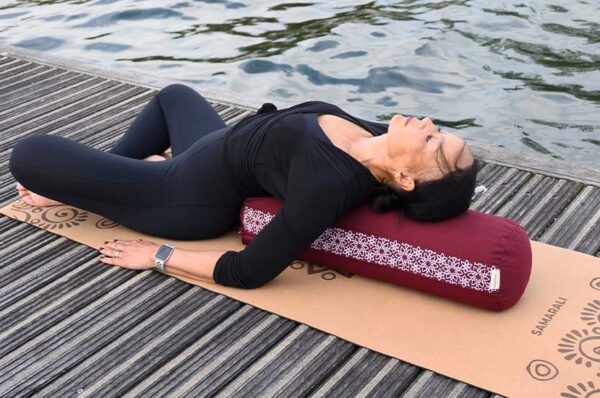
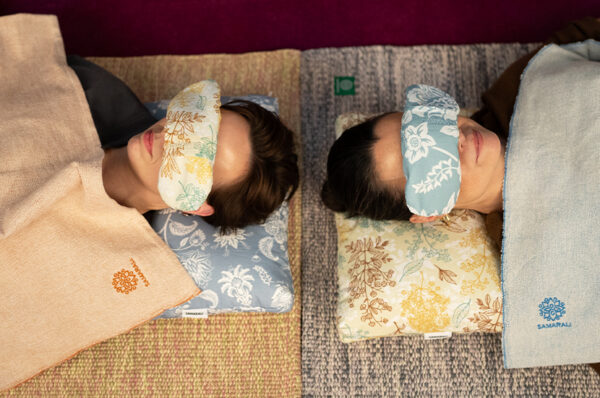
- Flexible postures: Try lying down, sitting in a chair, or even standing meditation – comfort reduces physical distractions that can amplify anxiety
These beginner-friendly approaches work because they meet anxiety where it is rather than forcing stillness. Movement-based practices help discharge the physical restlessness that often accompanies anxiety disorders, while shorter sessions prevent overwhelm and build confidence. Understanding how meditation helps with anxiety through gradual nervous system regulation makes it clear why these gentle approaches are so effective. The key is creating positive associations with meditation rather than viewing it as another source of pressure or judgment, allowing your brain to naturally develop new neural pathways that support emotional regulation.
If racing thoughts make concentration difficult, counting meditation gives your anxious brain a simple task that’s easier than trying to “empty your mind.” This technique is particularly effective for people wondering whether meditation will help with anxiety because it provides immediate focus and demonstrates how meditation can help with anxiety by redirecting attention from worry loops to present moment awareness. When your mind wanders to anxious thoughts (which it will), simply return to counting from one without judgment.
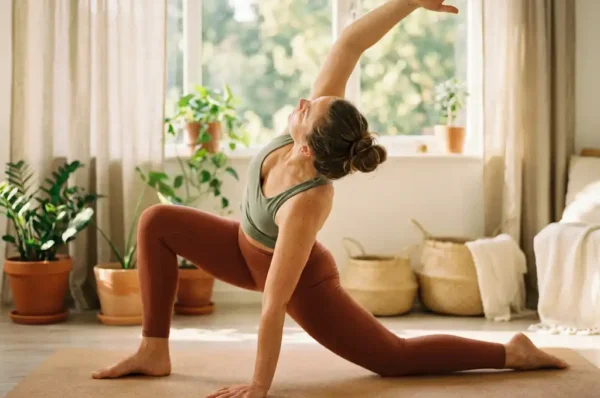
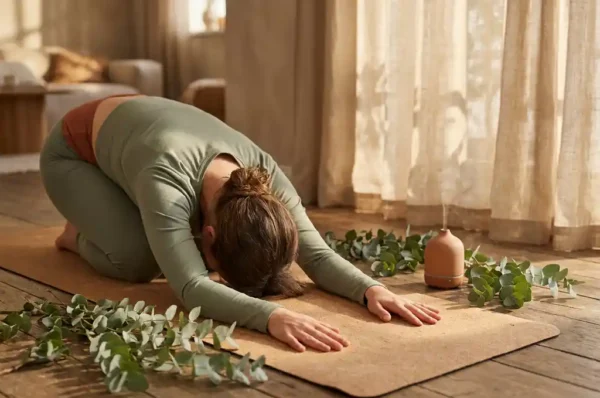
For physical restlessness, experiment with different postures that support how meditation helps anxiety through comfort and accessibility. You can meditate lying down, sitting in a chair with back support, or even standing. The key is finding a position where you’re alert but comfortable, as physical ease directly impacts whether meditation will help with anxiety symptoms. Some people find that gentle stretching before meditation helps settle their body and mind by releasing muscle tension that often accompanies anxiety disorders. A comfortable meditation mat can provide the supportive foundation you need for consistent practice.
Remember that feeling restless or having wandering thoughts doesn’t mean you’re meditating incorrectly. These experiences are normal, especially when you’re dealing with anxiety disorders, and understanding this helps explain how meditation helps with anxiety over time rather than immediately. Each time you notice your mind has wandered to anxious thoughts and gently bring it back, you’re strengthening your meditation skills and building resilience against anxiety. This process of noticing and returning demonstrates exactly how meditation helps anxiety by training your brain to observe thoughts without getting caught in worry spirals.
Meditation offers a natural, accessible way to reduce anxiety by literally rewiring your brain for greater calm and emotional regulation. Understanding how meditation helps with anxiety through neuroplasticity and stress hormone regulation helps explain why the benefits build gradually over weeks and months. Even short daily sessions can help you develop better relationships with anxious thoughts and feelings, demonstrating how meditation helps anxiety disorder symptoms through consistent practice rather than quick fixes. Creating a dedicated space for your practice with quality meditation accessories can enhance your comfort and commitment to regular sessions. At Samarali, we understand that sustainable wellness practices like meditation work best when supported by mindful lifestyle choices that honour both your personal wellbeing and environmental responsibility.
Browse our thoughtfully crafted collection of sustainable meditation essentials—designed for mindful movement and made with respect for the planet.