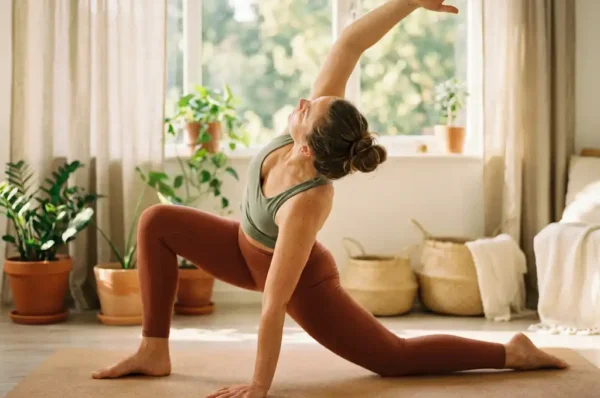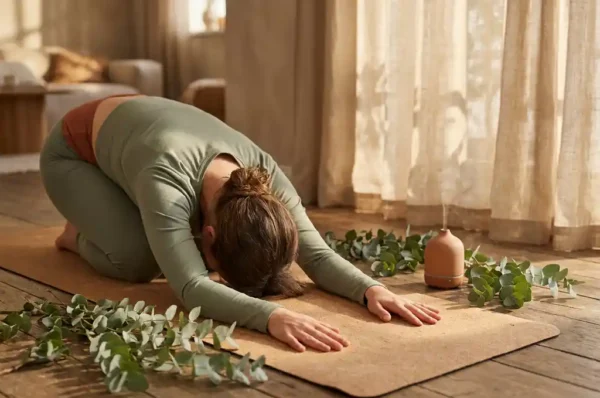



What is the difference between active and restorative yoga? Active yoga involves dynamic movements, strength-building poses, and elevated heart rates through styles like Vinyasa, Ashtanga, and Power Yoga that challenge your cardiovascular system and build functional strength. Restorative yoga focuses on fully supported poses held for 5 to 20 minutes using props like bolsters, blankets, and blocks to activate your parasympathetic nervous system, reduce cortisol levels, and promote deep healing. Your choice depends on whether you need energising physical challenge or therapeutic stress relief — and understanding both styles helps you select the practice that best matches your current fitness level, stress load, recovery needs, and long-term wellness goals.
Active vs. Restorative Yoga: Quick Comparison
Not sure which style is right for you? The table below gives you a fast, side-by-side overview of how active and restorative yoga differ across the dimensions that matter most. Read on for the full breakdown of each style.
| Dimension | Active Yoga | Restorative Yoga |
|---|---|---|
| Core Purpose | Build strength, endurance, and cardiovascular fitness | Nervous system restoration, stress relief, and deep relaxation |
| Physical Intensity | Moderate to high — elevates heart rate and builds heat | Very low — passive, fully supported, minimal muscular effort |
| Poses & Movement | Continuous flowing sequences, sun salutations, balancing poses | Fully supported static poses held 5–20 minutes |
| Duration of Poses | Seconds to a few breaths per pose | 5 to 20 minutes per pose |
| Props Used | Yoga mat, optional blocks | Bolsters, blankets, blocks, eye pillows |
| Primary Benefit | Cardiovascular health, muscular strength, flexibility | Cortisol reduction, deep tissue release, parasympathetic activation |
| Best Time to Practice | Morning or early evening when energy is available | Evening, before bed, or mid-week stress reset |
| Ideal For | Fitness goals, cardiovascular health, strength building | Stress relief, injury recovery, burnout, insomnia |
What is active yoga?
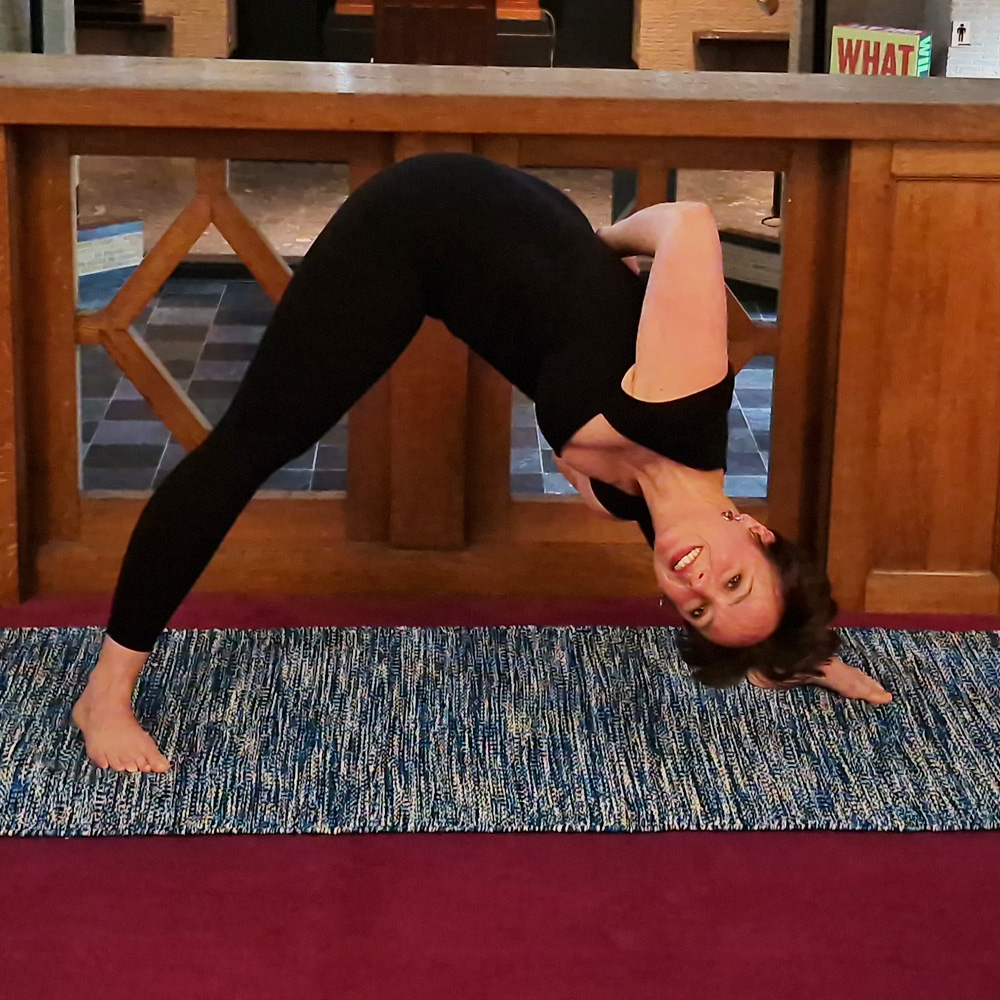
Active yoga covers dynamic styles that emphasise continuous movement, functional strength-building, and cardiovascular engagement. Practices like Vinyasa, Ashtanga, and Power Yoga elevate your heart rate, build muscular endurance across your core, legs, and upper body, and improve flexibility over time. The breath-to-movement connection that runs through all of these styles is what fundamentally separates active yoga from the passive, prop-supported approach of restorative practice.
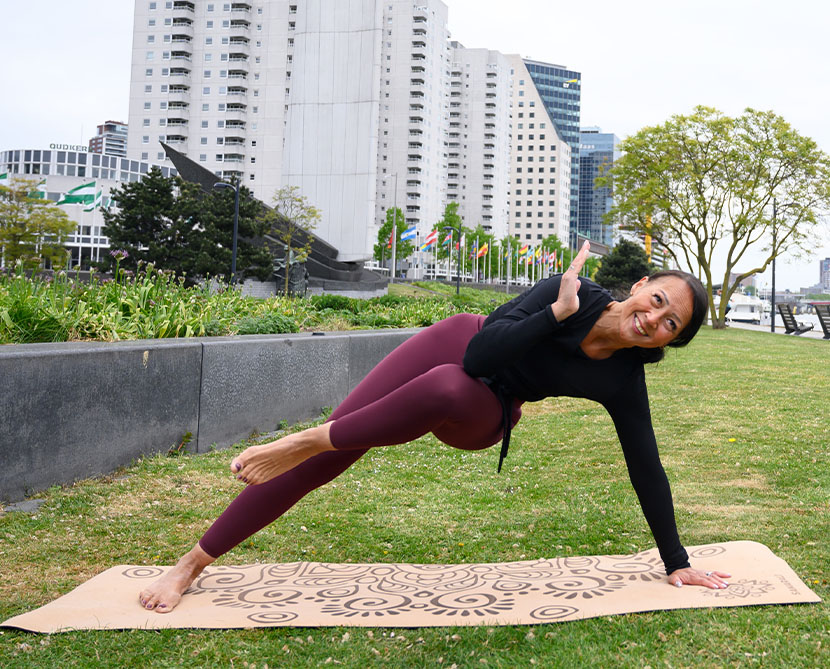
The key characteristics that define active yoga practices include:
- Continuous movement between poses
- Muscle engagement throughout the practice
- Sequences that challenge your balance and coordination
- Flowing movements linked with breath
- Smooth transitions whilst maintaining strength and focus
Popular active yoga styles include:
- Vinyasa – links breath with flowing movements
- Ashtanga – follows a set sequence of challenging poses
- Power Yoga – combines strength training with traditional postures
These styles require significant physical and mental engagement, making them excellent choices for building cardiovascular fitness, muscular strength, and mindfulness simultaneously. A quality natural rubber yoga mat provides the grip and cushioning essential for maintaining proper alignment and joint protection during dynamic sequences, sun salutations, and balancing poses.
What distinguishes active yoga from gentler practices is the intensity that generates internal heat, elevates your heart rate, and challenges multiple muscle groups in a single session. You will work up a sweat, build functional strength you can use outside the studio, and typically leave feeling energised rather than deeply relaxed. This combination of cardiovascular effort and mindfulness makes active yoga effective for meeting fitness goals, managing stress through physical exertion, and improving sleep quality over time.
What is restorative yoga, and why do people choose it over active styles?
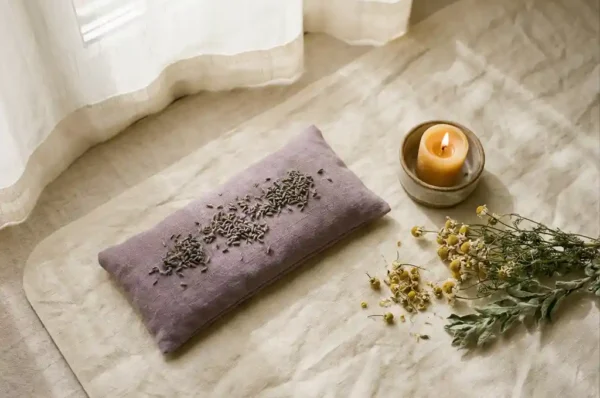
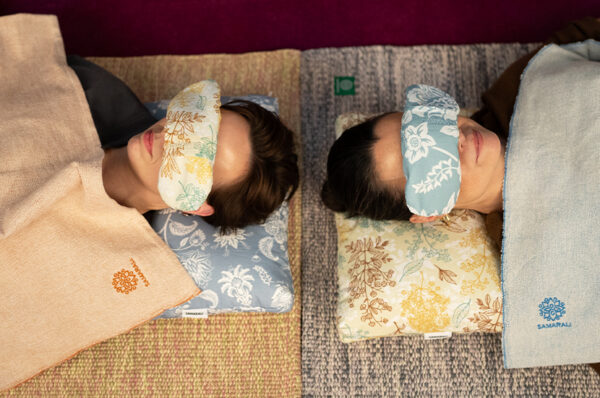
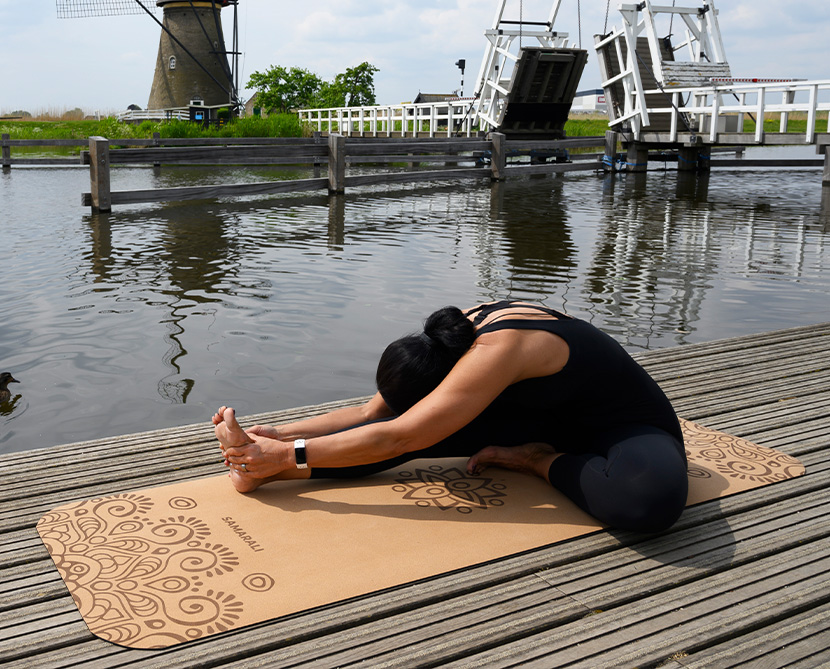
Restorative yoga is a gentle, therapeutic practice that uses props — including bolsters, blankets, blocks, and eye pillows — to fully support your body in comfortable positions held for 5 to 20 minutes. Unlike active yoga, restorative yoga focuses entirely on deep relaxation, stress reduction, and nervous system restoration through passive stretching and conscious breathing. It is especially valuable for people managing chronic stress, recovering from illness or injury, dealing with anxiety or insomnia, or simply needing a practice that restores rather than depletes their energy.
The core principle is to activate your parasympathetic nervous system — commonly known as the rest-and-digest response — which signals your body to lower cortisol levels, reduce blood pressure, and initiate cellular repair. Holding poses for 5 to 20 minutes gives your connective tissues, muscles, and joints enough time to fully release accumulated tension while your mind settles into a meditative state that is rarely accessible during more active practices.
People choose restorative yoga for its therapeutic benefits, including:
- Stress relief and anxiety reduction
- Improved sleep quality
- Recovery from injury or illness
- Managing chronic stress
- Creating a sanctuary from daily pressures
The fully supported poses require minimal muscular effort and accommodate all body types, fitness levels, and ages — making restorative yoga one of the most genuinely inclusive styles available. Where active styles reward existing strength and flexibility, restorative yoga meets you exactly where you are. Practitioners recovering from surgery, managing autoimmune conditions, navigating burnout, or working through anxiety and depression can experience the full therapeutic benefits of yoga without any physical demands.
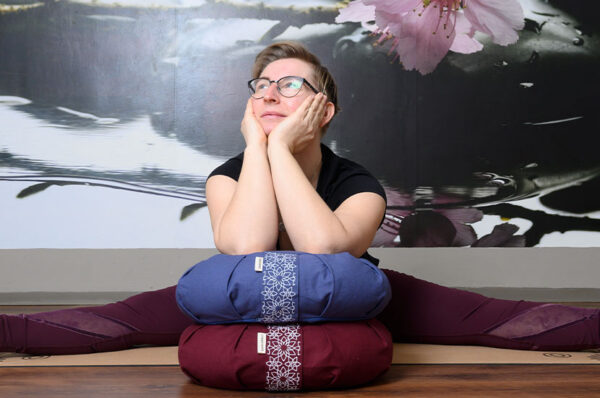
Essential props used in restorative yoga include:
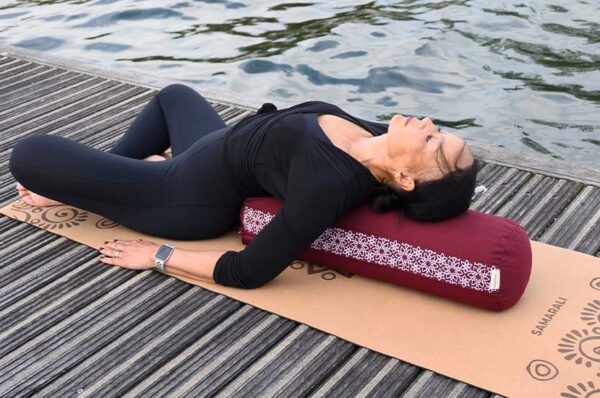
- Bolsters – support your spine in gentle backbends
- Blankets – provide warmth and comfort
- Blocks – bring the floor closer to you
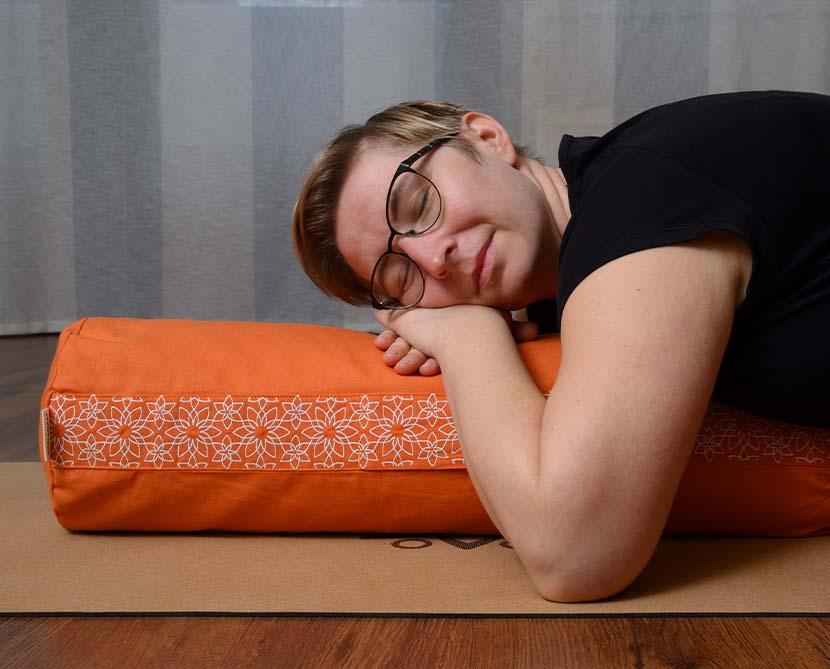
This prop support system allows complete muscular relaxation and joint decompression — outcomes that are difficult to achieve in active poses where muscles remain engaged throughout. A supportive yoga bolster is particularly valuable, providing the elevation and contouring needed to hold positions comfortably for 10 minutes or more, enabling deep tissue release, diaphragmatic breathing, and genuine nervous system calming.
How to choose between active and restorative yoga based on your lifestyle and goals
The most useful question to ask yourself is not which style seems more impressive, but which one your body and mind genuinely need right now. Someone training for a marathon has different yoga needs than someone recovering from adrenal fatigue. A new parent managing sleep deprivation needs a different practice than a student looking to complement gym workouts. Your needs will also shift across seasons and life phases, so revisiting this question regularly ensures your practice continues to serve your actual wellbeing.
When to choose active yoga
Active yoga styles are the better fit when you:
- Feel energetic and want to build strength
- Need to release physical tension through movement
- Enjoy physical challenges
- Have a good baseline fitness level
- Want to combine cardiovascular benefits with flexibility training
When to choose restorative yoga
Restorative yoga is the better fit when you are:
- Feeling overwhelmed or stressed
- Recovering from illness or injury
- Struggling with sleep issues
- New to yoga and want to learn proper alignment
- Dealing with chronic pain conditions
Matching your practice to your schedule
Your daily schedule and natural energy patterns should also guide your choice. Active yoga sessions typically run 60 to 90 minutes and leave you feeling energised and mentally sharp, making them well-suited to mornings or early evenings. Restorative sessions can be shorter — 30 to 60 minutes — and work exceptionally well before bedtime, during a lunch break to reset a stressful day, or on weekends as deliberate recovery between more demanding workouts.
Matching your practice style to your energy cycle, rather than forcing a schedule that works against your body, is one of the most practical decisions you can make as a yoga practitioner.
Starting out and building a mixed practice
Beginners often find that starting with restorative or gentle yoga is the most sustainable path forward. Restorative yoga lets you learn foundational poses — such as supported child’s pose, reclined bound angle, and legs-up-the-wall — develop breath awareness, and build body confidence without the intensity that can feel overwhelming in the first weeks of practice.
As your strength, flexibility, and self-knowledge grow, you can naturally progress toward more active styles, or maintain a mixed practice that draws on both approaches. Most experienced practitioners find that alternating active and restorative sessions across the week delivers better overall results than committing exclusively to one style — supporting physical performance, injury prevention, and long-term recovery in ways that neither practice alone can achieve.
Combining both styles across the week
A practical weekly structure might include two to three active sessions targeting cardiovascular health, muscular endurance, and mobility, paired with one to two restorative sessions dedicated to parasympathetic recovery and connective tissue support. For busy professionals, scheduling a restorative session mid-week can counteract accumulated stress before it compounds. Athletes benefit from placing restorative practices the day after peak training loads to accelerate muscle repair.
Listening to daily signals — sleep quality, muscle soreness, and mental fatigue — helps you rotate between styles with intention. Having access to complete yoga sets ensures you are fully equipped for whichever style your body calls for on any given day, whether that is a dynamic flow or a deeply supported restorative session.

Ultimately, the difference between active and restorative yoga comes down to what your body and mind need most at any given stage of life. Dynamic active sequences build strength, improve cardiovascular endurance, sharpen mental focus, and support healthy weight management. Restorative yoga, by contrast, is recognised for reducing cortisol levels, relieving chronic tension, supporting anxiety and depression management, improving sleep quality, and aiding rehabilitation from injury or illness. Integrating both styles across your weekly routine creates a sustainable, whole-body practice that adapts to seasonal demands, recovery needs, and shifting wellness goals throughout the year.
Frequently Asked Questions About Active and Restorative Yoga
Still have questions about which yoga style is right for you? Here are answers to the questions we hear most often from people exploring the difference between active and restorative yoga.
Is restorative yoga good for complete beginners?
Yes — restorative yoga is one of the best starting points for complete beginners. Because every pose is fully supported with props and held passively, there is no pressure to have existing strength, flexibility, or coordination. You can learn foundational body awareness, breath connection, and alignment principles in a low-stakes environment that builds genuine confidence before progressing to more active styles.
Can I practice active and restorative yoga on the same day?
Yes — many practitioners pair an active morning session with a short restorative practice in the evening, using the active session to build strength and the restorative session to support recovery. This combination can improve sleep quality and reduce next-day muscle soreness. Even a 20-minute restorative wind-down after an active yoga class helps shift your nervous system from a stimulated state into genuine rest.
Which style is better for stress and anxiety?
Restorative yoga is generally more effective for managing acute stress and anxiety because it directly activates the parasympathetic nervous system, lowering cortisol levels and reducing physical tension held in the body. That said, active yoga styles can also relieve stress through physical exertion and the focused breath-to-movement connection. If your stress levels are high and your energy is low, restorative yoga is typically the more therapeutic choice.
What is the difference between yin yoga and restorative yoga?
Both yin yoga and restorative yoga involve holding poses for extended periods, but they differ in purpose and approach. Yin yoga targets the deep connective tissues — ligaments, fascia, and joints — through mild stress applied to those tissues, and poses are held with some degree of sensation or gentle discomfort. Restorative yoga uses props to eliminate all muscular effort and physical sensation, with the goal of complete nervous system relaxation rather than tissue conditioning. Restorative yoga is generally the gentler and more therapeutic of the two.
How often should I practice restorative yoga?
Most practitioners benefit from one to two restorative yoga sessions per week, though there is no upper limit — daily restorative practice is safe and beneficial, particularly during high-stress periods, illness recovery, or intense training cycles. Even a single 30-minute restorative session per week can produce meaningful improvements in sleep quality, stress levels, and overall sense of wellbeing over time.
Is restorative yoga a real workout?
Restorative yoga is not a cardiovascular or strength workout in the traditional sense — it is intentionally passive and low-effort. However, calling it “not a real workout” misses the point. Restorative yoga does meaningful work on your nervous system, connective tissues, and stress physiology that active yoga styles cannot replicate. Think of it less as exercise and more as active recovery: a deliberate practice that makes your other workouts more effective by supporting the repair and regulation your body needs between them.
At Samarali, we understand that a truly balanced yoga journey requires the right support at every stage — whether you are powering through a challenging Vinyasa flow, easing into a deeply held restorative pose, or navigating a high-stress period in daily life. That is why we design our products to elevate both energising active sessions and deeply therapeutic restorative experiences.
Browse our full collection of sustainably crafted yoga essentials, including props, bolsters, mats, and accessories designed to support every active and restorative yoga practice — from your first beginner session to an advanced weekly routine.