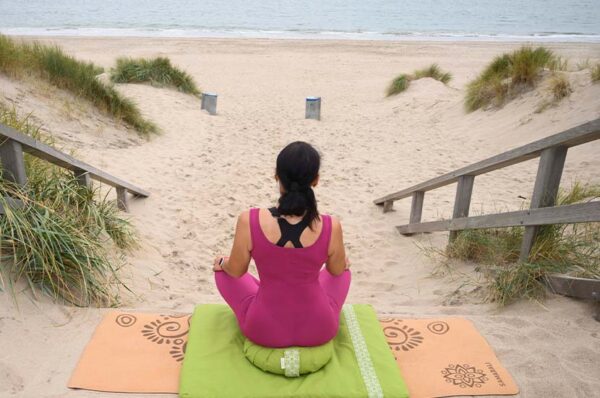



Yoga improves mental wellness by activating your body’s natural relaxation response and reducing stress hormones like cortisol. Regular practice increases GABA production in the brain, which calms anxiety and promotes emotional balance. The combination of mindful movement, controlled breathing, and meditation creates measurable changes in brain function that support better mental health. This practice offers practical tools for managing anxiety, depression, and daily stress.
What happens to your brain when you practice yoga?
Yoga creates significant neurological changes that directly improve your mental state. When you practice, your brain experiences several key transformations:
- Reduces cortisol production while increasing GABA, a neurotransmitter that promotes calmness
- Activates your parasympathetic nervous system, moving you from “fight or flight” into “rest and digest” mode
- Strengthens your prefrontal cortex, improving emotional regulation
- Releases endorphins, creating natural mood elevation
These brain changes happen remarkably quickly. Within minutes of starting your practice, your nervous system begins to shift. Deep breathing techniques signal your vagus nerve to activate the relaxation response, whilst physical postures help release tension stored in your muscles and fascia.
The mindfulness component of yoga strengthens your prefrontal cortex, the brain region responsible for emotional regulation. This enhanced neural connectivity helps you respond to stressful situations more calmly rather than reacting impulsively. Regular practitioners often notice improved focus, better sleep quality, and increased emotional resilience.
Your brain also releases endorphins during yoga practice, creating natural mood elevation. These “feel-good” chemicals work similarly to antidepressants but without side effects. The combination of physical movement, breath awareness, and present-moment focus creates a powerful cocktail for mental wellness.
How does yoga help with anxiety and depression?
Yoga addresses anxiety and depression through multiple pathways that target both symptoms and underlying causes. Breath work practices directly calm your nervous system, whilst gentle movement releases physical tension that often accompanies mental distress. Mindfulness techniques interrupt negative thought patterns before they spiral.
For anxiety, yoga provides relief through:
- Specific breathing techniques like alternate nostril breathing or extended exhales
- Physical postures that help discharge nervous energy
- Challenging poses that build confidence through mastery
- Restorative poses like child’s pose or legs-up-the-wall for immediate relief
Depression benefits from yoga’s mood-lifting effects and community connection. Key approaches include:
- Gentle backbends that counter collapsed posture associated with depression
- Sun salutations for energising movement
- Self-compassion and present-moment awareness practices
- Supported positions that activate your rest response whilst providing safety and nurturing
Regular practice builds emotional regulation skills you can use throughout your day.
What type of yoga practice works best for mental wellness?
The most effective yoga practice for mental wellness depends on your current mental state and energy levels. Gentle, consistent practice typically works better than intense sessions for mental health benefits. The best starting styles include:
- Hatha yoga
- Restorative yoga
- Yin yoga
For anxiety, consider these approaches:
- Slower-paced practices with longer holds to calm your nervous system
- Restorative yoga with props for deep relaxation
- Gentle flow sequences for movement without overstimulation
- Avoid hot or power yoga, as these can increase stress hormones
Depression often responds well to more energising practices:
- Gentle vinyasa sequences
- Sun salutations for mood and energy boosting
- Heart-opening poses (approached gradually)
Consistency matters more than intensity. A 15-minute daily practice provides better mental health benefits than occasional long sessions. Start with simple breathing exercises and basic poses, gradually building your practice as you feel stronger. Listen to your body and adjust accordingly – some days call for gentle stretching, others for more dynamic movement.
Creating a sustainable routine that fits your lifestyle ensures you’ll maintain the practice long enough to experience lasting benefits. The key is finding an approach that feels supportive rather than demanding, allowing yoga to become a reliable tool for mental wellness rather than another source of pressure.
Yoga offers a practical, accessible approach to improving mental wellness through proven techniques that work with your body’s natural healing mechanisms. By understanding how these practices affect your brain and choosing appropriate styles for your needs, you can develop a sustainable routine that supports lasting mental health improvements. At Samarali, we believe in making these transformative practices accessible through thoughtfully designed, sustainable yoga mats and accessories that support your journey toward better mental wellness.
Browse our selection of thoughtfully crafted collection of sustainable yoga essentials—designed for mindful movement and made with respect for the planet.