


Tall people typically need yoga mats that are at least 78–84 inches long, compared to standard 68–72 inch mats. If you’re over 6 feet tall, an extra-long mat prevents your head or feet from hanging off during poses, ensuring proper alignment and safety. The right mat length depends on your height and the yoga styles you practice.
What yoga mat length do tall people actually need?
Practitioners over 6 feet tall generally need mats measuring 78–84 inches in length to accommodate their full body during various poses. Standard yoga mats typically measure 68–72 inches, which leaves taller yogis with insufficient space for proper alignment and comfort.
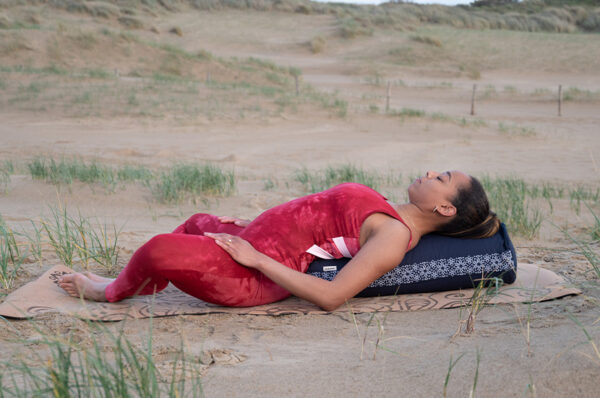
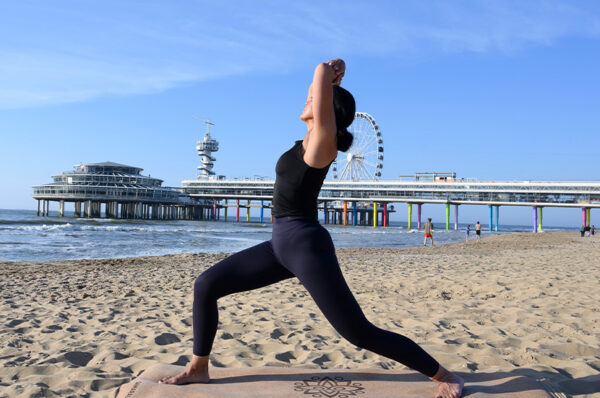
Your height directly affects mat selection because yoga involves lying down, stretching in both directions, and extending your body fully. When you’re in poses like Savasana (corpse pose) or Warrior I, your entire body should rest comfortably on the mat surface. A good rule of thumb is to add 6–12 inches to your height when selecting mat length.
Here’s a practical breakdown for mat length selection:
- 5’6″ to 6’0″: Standard 72-inch mats usually work well for most poses and provide adequate space for comfortable practice
- 6’0″ to 6’4″: Choose 78-inch extra-long mats to ensure full body coverage during extended poses and flowing sequences
- 6’4″ and above: Look for 84-inch or longer specialty mats to accommodate your full frame and prevent any body parts from extending beyond the mat’s surface
These height-based recommendations ensure that practitioners of all sizes can maintain proper alignment and feel secure during their practice. Consider your arm span as well, since some poses require reaching overhead while lying down, and individual proportions may require adjustments to these general guidelines for optimal comfort and safety.
How do you know if your yoga mat is too short for your practice?
Several clear warning signs indicate when your current mat no longer serves your practice needs:
- Body parts extending beyond the mat: Your head, hands, or feet regularly touch the floor during poses, creating instability and discomfort
- Compromised alignment: You find yourself scrunching up or modifying poses not for physical reasons, but to fit within the mat’s boundaries
- Safety concerns during transitions: Slipping risks increase when your hands or feet land on bare floor instead of the mat’s grippy surface, particularly in dynamic poses
- Constant repositioning: You spend practice time adjusting your position rather than focusing on breath and movement
- Mental distraction: Worrying about staying on your mat prevents you from fully engaging in the meditative aspects of yoga
These issues become particularly pronounced in different yoga styles, with Vinyasa and Ashtanga practices highlighting space limitations through their dynamic movements, while Yin yoga makes cramped positioning especially uncomfortable during long-held poses. When your equipment becomes a barrier to practice rather than a support, it’s time to invest in a properly sized mat that allows you to focus on your yoga journey rather than spatial constraints.
What’s the difference between standard and extra-long yoga mats?
The key distinctions between standard and extra-long yoga mats extend beyond simple measurements:
- Dimensions and coverage: Standard mats measure 68–72 inches long and 24 inches wide, while extra-long versions extend to 78–84 inches, providing 6–12 inches of additional space
- Weight and portability: Extra-long mats typically weigh 0.5–1 pound more and require larger storage solutions, though most practitioners find this trade-off worthwhile
- Cost considerations: Longer mats generally cost 20–30% more than standard sizes due to increased material usage and specialized manufacturing
- Material consistency: Quality manufacturers use identical materials and construction methods across sizes, ensuring grip, cushioning, and durability remain consistent
- Storage requirements: Extra-long mats need more space and may not fit in standard yoga mat bags or typical studio storage cubbies
Despite these practical considerations, the benefits of proper sizing far outweigh the minor inconveniences for tall practitioners. The improved practice experience, enhanced safety, and better alignment make extra-long mats an essential investment for anyone who finds standard sizes restrictive, transforming yoga from a cramped experience into a spacious, comfortable practice.
Where can tall people find sustainable yoga mats that fit properly?
Finding eco-friendly yoga mats in extra-long sizes requires knowing where to look and what certifications to seek:
- Material options: Natural rubber mats offer biodegradability and excellent grip, while cork-topped versions provide antimicrobial properties from sustainable harvesting
- Certification standards: Look for OEKO-TEX Standard 100 for chemical-free materials, GREENGUARD for low emissions, and B Corp certification for comprehensive environmental responsibility
- Lifecycle considerations: Evaluate manufacturing processes, plastic-free packaging, and end-of-life take-back programs offered by eco-conscious brands
- Quality investment approach: Sustainable mats often cost more initially but provide superior durability, reducing replacement frequency and waste generation
- Specialized retailers: Local eco-friendly stores and direct-to-consumer sustainable brands often carry the best selection of properly sized, environmentally responsible options
The sustainable yoga mat market has evolved to meet the needs of environmentally conscious practitioners of all sizes, offering high-quality materials and construction that support both personal practice and planetary health. By choosing certified sustainable options, tall practitioners can enjoy properly fitted mats while supporting responsible manufacturing practices and reducing their environmental impact.
Finding the right yoga mat size transforms your practice from cramped and uncomfortable to spacious and aligned. Extra-long sustainable yoga mats provide tall practitioners with the room they need while supporting environmental responsibility. When you invest in properly sized, eco-friendly equipment, you’re supporting both your personal wellness journey and planetary health. We at Samarali understand this connection deeply, which is why all our yoga gear uses organic cotton materials and completely plastic-free packaging, ensuring your practice supports both personal growth and environmental stewardship.
Browse our selection of thoughtfully crafted collection of sustainable yoga essentials—designed for mindful movement and made with respect for the planet.