


Chair meditation offers the best position for beginners with back pain, providing full spinal support while maintaining proper alignment. Wall-supported sitting and cushion-assisted postures also reduce strain effectively. The key is choosing positions that support your natural spinal curve while allowing you to focus on meditation rather than discomfort.
What meditation positions work best when you have back pain?
Several meditation positions can provide the support and comfort needed for those experiencing back pain:
- Chair meditation – Sit with your feet flat on the floor, back straight against the chair, and hands resting comfortably on your thighs. This position maintains your spine’s natural curve while eliminating the strain of unsupported sitting.
- Wall-supported sitting – Sit with your back against a wall, legs extended or crossed comfortably in front of you. The wall acts as a natural backrest, preventing slouching while keeping your spine properly aligned throughout your practice.
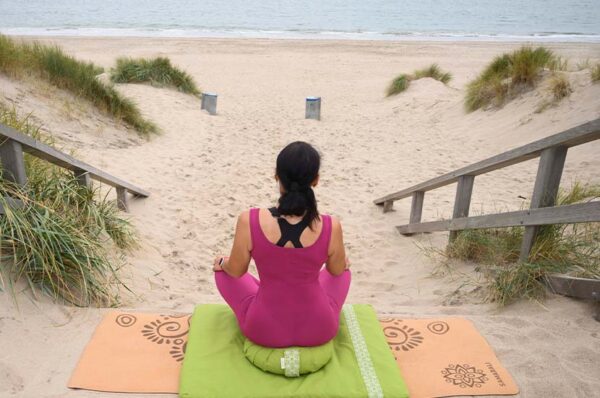
- Cushion-assisted floor sitting – Place a firm meditation cushion or folded blanket under your sitting bones to tilt your pelvis slightly forward. This elevation helps maintain your spine’s natural curve and reduces pressure on your lower back muscles.
- Supported kneeling position – Use a meditation bench or cushion between your calves and thighs. This position naturally aligns your spine while taking pressure off your back muscles, making it particularly comfortable for longer sessions.
These supported positions work because they honor your body’s natural alignment while providing the stability needed for focused meditation. Each option removes the muscular effort required to maintain posture, allowing you to direct your attention inward rather than managing physical discomfort. The key is experimenting with these positions to discover which feels most sustainable for your specific needs and pain patterns.
How do you set up proper support for pain-free meditation?
Creating an effective support system involves strategic placement of cushions, props, and accessories:
- Strategic cushion placement – Place a firm cushion under your sitting bones to elevate your hips above your knees. This simple adjustment reduces strain on your lower back and helps maintain proper posture naturally.
- Lower back support – Use a rolled towel or small cushion behind your lower back when sitting against a wall or in a chair. Position it at the natural curve of your spine, just above your belt line to prevent rounding.
- Foundation support – Choose sustainable yoga mats with adequate thickness to cushion your sitting bones while providing stable support. The extra padding reduces pressure points that can cause discomfort and distraction.
- Multi-purpose blankets – Fold one to create additional cushioning, wrap another around your shoulders for warmth, or place one under your knees when sitting cross-legged for extra comfort.
- Pre-session adjustments – Test different cushion heights and support positions before beginning. Small adjustments during your session are perfectly acceptable when comfort is needed.
Proper setup transforms your meditation space into a sanctuary of comfort that supports rather than hinders your practice. The investment in quality props and thoughtful arrangement pays dividends in longer, more focused sessions. Remember that your support needs may change over time as your body adapts and your practice evolves, so remain flexible in your approach to creating the ideal meditation environment.
Why does your back hurt during meditation and how can you prevent it?
Understanding the root causes of meditation-related back pain helps you address them effectively:
- Poor posture habits – Slouching or forcing an unnaturally straight spine creates muscle tension and strain. Your spine has natural curves that need support, not elimination through rigid positioning.
- Muscle fatigue – Back muscles work overtime to maintain unsupported positions for extended periods, leading to tension that often starts subtly and builds throughout your session.
- Inadequate setup – Hard surfaces, insufficient cushioning, or improper height relationships between your hips and knees all create strain on your spine and supporting muscles.
- Session length mismanagement – Attempting long sessions without proper conditioning can overwhelm your body’s capacity to maintain comfortable positioning.
- Lack of preparation – Beginning meditation with tight or unprepared muscles increases the likelihood of developing discomfort during practice.
Prevention strategies focus on gradual progression and body awareness. Start with shorter meditation sessions of 5-10 minutes in well-supported positions, then extend your practice as comfort allows. Listen to your body during meditation and make gentle adjustments as needed—slight movements to relieve tension support rather than disrupt your practice. Incorporate gentle stretching before meditation to prepare your muscles, and maintain regular movement between sessions to prevent stiffness from accumulating over time.
Finding the right meditation position for your back transforms your practice from uncomfortable endurance into peaceful focus. Proper support allows you to concentrate on meditation rather than physical discomfort. At Samarali, we understand how important comfort is for developing a sustainable meditation practice, which is why all our meditation cushions and sustainable yoga mats use organic cotton materials with plastic-free packaging to support both your well-being and environmental values.
Browse our selection of thoughtfully crafted collection of sustainable yoga essentials—designed for mindful movement and made with respect for the planet.